
Bonine vs. Dramamine: Which Motion Sickness Medication Works Better for First-Time Cruisers in 2026?
Bonine and Dramamine both treat motion sickness on cruises, but differ in speed, duration, and drowsiness. First-time cruisers facing rough seas should understand which OTC antihistamine suits their voyage in 2026.

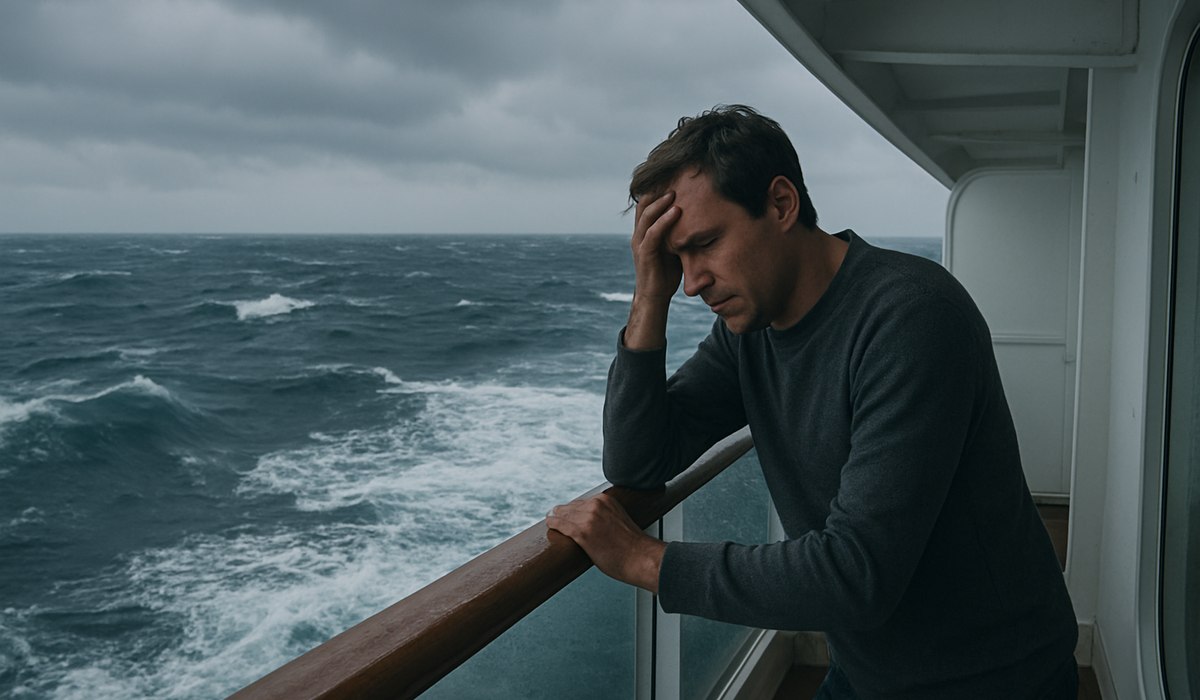
Image generated by AI
Motion Sickness Relief at Sea: Bonine vs. Dramamine for Your First Cruise
Seasickness can derail even the most anticipated cruise vacation, especially for first-time passengers venturing into rough waters. Two over-the-counter medications—Bonine and Dramamine—dominate cruise ship medicine cabins, yet they work differently. Understanding which medication suits your voyage depends on onset speed, lasting relief, drowsiness tolerance, and personal health factors.
What is Bonine and How Does It Work?
Bonine contains meclizine as its active ingredient, an antihistamine specifically formulated for motion sickness prevention. Taken before symptoms emerge, Bonine delivers extended relief lasting more than 12 hours, addressing nausea, dizziness, and vomiting that plague cruisers in turbulent seas.
The medication works best on an empty stomach or with food, taken once every 24 hours. Unlike its competitor, Bonine typically avoids drowsiness, though individual responses vary. This non-sedating profile makes Bonine popular among cruisers who want to enjoy deck activities and dining without fighting afternoon fatigue.
Bonine suits children ages 12 and older, making it a family-friendly option for multi-generational voyages. Passengers should avoid alcohol consumption while taking this medication. For those with glaucoma, breathing complications, urination difficulties, or kidney/liver disease, consulting a physician becomes essential before boarding. Learn more about medication safety for travelers before your departure.
What is Dramamine and How Does It Work?
Dramamine features dimenhydrinate, a different antihistamine formulation designed for rapid motion sickness intervention. Available as chewable tablets or traditional pills, Dramamine works fastest when taken 30–60 minutes before embarking on your cruise. This quicker onset appeals to passengers seeking immediate symptom suppression.
The trade-off: Dramamine requires dosing every four to six hours as needed, meaning multiple daily doses during extended rough seas. Its most notable side effect is pronounced drowsiness—many cruisers experience significant fatigue within 30 minutes of taking Dramamine. This sedative property makes it unsuitable for passengers planning active vacation schedules.
Dramamine accommodates younger children starting at age 2, offering pediatric flexibility unavailable with Bonine. Seniors over 65 should consult healthcare providers before use. Like Bonine, alcohol consumption and drug interactions require careful attention. Check FDA medication guidance for comprehensive safety information regarding your specific health profile.
Bonine vs. Dramamine: Side-by-Side Comparison
| Feature | Bonine (Meclizine) | Dramamine (Dimenhydrinate) |
|---|---|---|
| Active Ingredient | Meclizine | Dimenhydrinate |
| Onset Time | Slower (30-60 min) | Faster (20-30 min) |
| Duration | 12+ hours | 4-6 hours |
| Dosing Frequency | Once per 24 hours | Every 4-6 hours |
| Drowsiness Risk | Minimal | High (significant) |
| Minimum Age | 12 years | 2 years |
| Form Options | Chewable tablet only | Chewable or pill |
| Best Use Scenario | Full-day cruise comfort | Quick symptom relief |
| Alcohol Interaction | Not recommended | Not recommended |
| Cost (typical) | $8-12 per box | $6-10 per box |
Key Differences Explained for First-Time Cruisers
Effectiveness and timing present the clearest distinction between these medications. Dramamine acts faster, suiting passengers who feel nausea approaching as their ship enters rough waters. Bonine demands advance planning—taking it before symptoms materialize guarantees superior results.
Drowsiness tolerance separates vacation-focused travelers from those willing to nap during sea days. Dramamine's notorious sedative properties make it ideal for overnight voyages or passengers content to rest during rough-water crossings. Bonine preserves wakefulness, allowing participation in onboard activities, entertainment, and dining.
Dosing frequency impacts cruise planning. Bonine's single daily dose simplifies routine and reduces medication handling, while Dramamine's repeated dosing requires remembering multiple doses across your voyage duration. This consideration matters during packed itineraries with frequent ports.
Age considerations matter for families. Young children cannot take Bonine, forcing families with toddlers toward Dramamine exclusively. Older children and adults enjoy both options.
Alternative Methods to Prevent Motion Sickness
Beyond pharmaceutical intervention, multiple natural and behavioral strategies reduce seasickness likelihood. Acupressure wristbands target specific pressure points linked to nausea relief, offering drug-free symptom management without drowsiness concerns.
Ginger supplements demonstrate documented effectiveness for motion-induced nausea. Many cruisers consume ginger candies, tea, or capsules throughout their voyage. Licorice root similarly provides natural anti-nausea benefits worth exploring.
Cabin positioning influences motion sensation. Midship cabins experience less movement than bow or stern locations. Requesting cabins near the ship's center during booking reduces motion exposure before medication becomes necessary.
Light snacking prevents nausea amplification from empty stomachs. Eating small, frequent portions of bland foods maintains equilibrium without overwhelming digestive systems. Hydration matters equally—dehydration worsens motion sickness symptoms.
Acclimation time allows body adaptation to ship movement. Spending initial hours on deck watching the horizon helps inner ears adjust to vessel motion. Avoiding cabin confinement during embarkation accelerates this natural adjustment process.
Explore Cruise Critic's motion sickness forum where experienced cruisers share additional prevention strategies and personal recommendations.
What This Means for Travelers
First-time cruisers facing ocean voyages should implement these actionable strategies:
-
Consult your healthcare provider before selecting Bonine or Dramamine, especially if taking other medications or managing chronic conditions. Your doctor can recommend the medication matching your health profile and cruise schedule.
-
Purchase your preferred medication before departure rather than seeking it at ship stores, where prices inflate significantly. Start with the lower-cost option and adjust if results disappoint on future voyages.
-
Test your chosen medication during a short travel experience before committing to week-long cruise deployments. Driving or flying allows safe evaluation of drowsiness effects in non-vacation contexts.
-
Combine pharmaceutical and natural approaches rather than relying solely on medication. Acupressure bands, ginger supplements, and strategic cabin positioning amplify medication effectiveness while reducing required doses.
-
Time medication intake strategically based on your selection. Dramamine passengers should take doses before arriving on deck during rough seas. Bonine users should establish consistent daily timing regardless of symptom presence.
-
Monitor weather forecasts during your cruise booking process. Selecting itineraries with predicted calm seas eliminates motion sickness concerns entirely, particularly crucial for first-time passengers establishing cruise confidence.
FAQ: Common Questions About Bonine vs. Dramamine
Can I take Bonine and Dramamine together?
Combining these medications increases antihistamine exposure and drowsiness risk without improving effectiveness. Never
Disclaimer
This article is for informational and educational purposes only. It does not constitute legal, financial, or professional advice. While we strive to provide accurate and up-to-date information, travel policies, regulations, and conditions change rapidly. Always verify information with official sources before making travel decisions. Nomad Lawyer makes no representations about the accuracy, reliability, completeness, or suitability of the information provided. Readers should consult qualified professionals for advice specific to their circumstances. The views expressed in this article are those of the author and do not necessarily reflect the views of Nomad Lawyer.
Kunal K Choudhary
Co-Founder & Contributor
A passionate traveller and tech enthusiast. Kunal contributes to the vision and growth of Nomad Lawyer, bringing fresh perspectives and driving the community forward.
Learn more about our team →