
Destination Campaigns: Bolivia Promotes Sucre-Potosi Heritage Link
Bolivia promotes a Sucre-Potosí dual-heritage tourism corridor, integrating UNESCO historic cities and living cultural festivals.

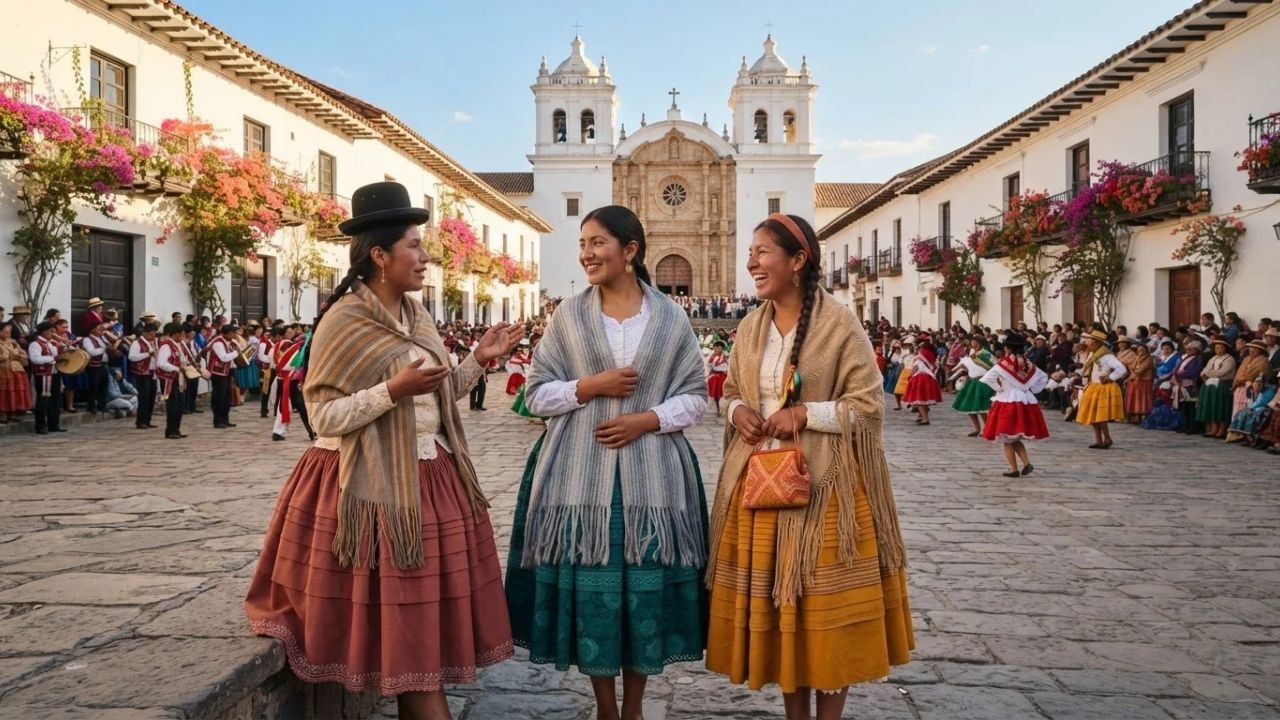
Image generated by AI
Bolivia promotes a Sucre-Potosí dual-heritage tourism corridor, integrating UNESCO historic cities and living cultural festivals. The Bolivia Ministry of Cultures indicates that coordinating tangible architecture with intangible community dances attracts long-stay visitors, supporting local artisan economies across the southern Andes.
The Transition of Historical Sites to Living Cultural Corridors
A prominent trend in South American travel planning is the transition of colonial historical sites into integrated living cultural corridors. Historically, regional tourism authorities promoted cities like Sucre and Potosí solely for their physical architecture and mining heritage, presenting museums as static monuments detached from the local community. In 2026, destination planners coordinate physical conservation with living folk festivals, creating travel networks that allow international visitors to experience active customs and historical neighborhoods on a single journey.
By linking historic city centers with community festivals, regional governments increase overnight visitor stays. This integrated heritage model supports local dance guilds, boutique hospitality operators, and municipal conservation funds.
Sucre and Potosí UNESCO Inscription Timelines
The southern Bolivia itinerary combines two distinct historical developments:
- Potosí Heritage Inscriptions: The city of Potosí was inscribed as a UNESCO World Heritage property in 1987. Its annual Ch'utillos festival joined the Representative List of the Intangible Cultural Heritage of Humanity in 2023.
- Sucre Heritage Inscriptions: The historic center of Sucre was inscribed as a World Heritage property in 1991. Its Virgen de Guadalupe celebration gained intangible cultural heritage status in 2025.
- Virgen de Guadalupe 2026 Schedule: The festival program runs from 21 August–12 September, with the main folkloric entrance scheduled on 12 September.
- Sucre-Potosí Twinning Pact: Municipal governments signed a strategic interinstitutional cooperation agreement on 4 August 2026 to integrate regional road networks and tourism marketing.
This twinning agreement supports the planning of joint tour circuits between the two cities.
Potosí Festival Regulations and UNESCO Conservation Planning
Potosí implements strict municipal regulations and conservation schedules:
- Spectator Grandstand Specifications: Grandstands along Avenida Sevilla feature modules six metres long, with a capacity of 72 people per unit.
- Space Allocation Rounds: The municipality listed 47 successful applicants on 14 August, followed by 17 successful applicants on 17 August for space along Avenida Sevilla and Avenida Tinkuy.
- Municipal Law 562/2026: Promulgated on 13 August to regulate the Ch'utillos and San Bartolomé cultural events.
- UNESCO Danger List Status: Inscribed on the World Heritage in Danger list since 2014, with a new conservation progress report due by 1 February 2027.
- Conservation Framework: The city's updated Management Plan runs on a 2024–2029 timeline.
These management steps ensure crowd safety and preserve historic structures during the winter festival season.
Sucre Municipal Tourism Budget and Event Allocations (2026)
Sucre supports its cultural programs through dedicated municipal funds:
- Total Secretariat Allocation: A Bs 6.1 million budget for tourism and culture programs.
- Destination Promotion Service: Allocated Bs 572,490 for regional marketing campaigns.
- Culture Directorate Capacity: Allocated Bs 716,538 for institutional strengthening.
- Cultural Development Service: Allocated Bs 802,989 for delivering local events.
- Heritage-Space Maintenance: Allocated Bs 78,000 for historic property upkeep.
- Municipal Ballet Support: Allocated Bs 720,000 for cultural training and performances.
- FLACMA Congress (4 September 2026): Sucre hosts the XXVII International Congress of FLACMA, drawing around 50 mayors from 25 Latin American countries.
This funding helps Sucre maintain its public spaces and promote its cultural history.
Bolivia Southern Heritage Tour and Festival Coordinates
The table below breaks down the project sectors, funding allocations, festival schedules, regional partners, and coordinating authorities recorded on August 23, 2026:
| Core Tour Sector | Municipal Funding Level | Inscription Status | Key Route Stop | Regional Partner | Coordinating Authority |
|---|---|---|---|---|---|
| Living heritage | Bs 6.1M Sucre budget | Inscribed 1987 & 1991 | Avenida Sevilla grandstands | Local dance associations | Bolivia Ministry of Cultures |
| Cultural tourism | Bs 572,490 marketing allocation | Ch'utillos listed 2023 | Avenida Tinkuy route | FLACMA Congress hosts | Sucre Tourism Secretariat |
| Danger conservation | Bs 78,000 upkeep limit | Potosí danger list (2014) | Cerro Rico mining zone | OMT South American Office | Potosí Municipal Government |
These coordinates outline the sectors, funding levels, statuses, stops, partners, and authorities established for the heritage programs.
Resource Stewardship and Eco-Aware Andean Travel
For the traveler, the benefit of choosing land transit (such as shared buses or rail-buses) between Sucre and Potosí is the reduction in carbon emissions compared to taking regional flights. Booking accommodations at heritage guest houses supports the preservation of colonial architecture.
Additionally, purchasing hand-woven textiles directly from Jalq'a or Tarabuco weavers ensures that your travel spending supports indigenous artisan families. Choosing local guides who are certified by municipal heritage offices helps fund community preservation initiatives.
For comparison, you can explore the changing dynamics of Stimulus Launch: Taiwan Unveils Billion-Dollar Repeat Visitor Rewards to see how destinations promote visitor spend. For transit updates, comparing travel scheduling matches other networks, such as Aviation Expansion: American Airlines Launches Four DFW Routes updates. This trend is similar to the tourism growth seen in other destinations, as detailed in our guide on the Hacienda Heights Bus Fire Transport Safety regulations.
Passenger Insider Tips: Navigating Sucre and Potosí Festivals
If you are planning to visit Sucre and Potosí during the festival season, keep these practical tips in mind:
- Book Sucre Hotels for September Early: Reserve your accommodation well in advance of September 4, as the FLACMA Congress and Virgen de Guadalupe festival draw high crowds.
- Secure Grandstand Tickets Online: Purchase your grandstand tickets for Ch'utillos on Avenida Sevilla through official municipal channels to avoid unofficial resales.
- Acclimatize to the High Altitude: Spend a few days in Sucre (2,810m) before traveling to Potosí (4,090m) to minimize the risks of altitude sickness.
- Respect Local Religious Traditions: Remember that the Virgen de Guadalupe entrance is a religious celebration; dress respectfully and follow local crowd rules.
- Confirm Bus Schedules Locally: Visit the Sucre terminal to verify bus departures to Potosí, as schedule times can change during national holidays.
Long-Term Outlook for Bolivia's Southern Heritage Corridor
The long-term outlook for transit in southern Bolivia is focused on constructing the Sucre-Potosí dual carriageway, restoring historic facades in Potosí's old town, and integrating digital QR-code tourist guides at monument sites. As travel interest grows in South America, national culture ministries and regional conservation boards will cooperate to maintain passenger standards.
By developing sustainable transit options and protecting colonial monuments, the tourism sector aims to build a sustainable transport network.
FAQ
What are the main cultural festivals in Sucre and Potosí?
Sucre hosts the Virgen de Guadalupe festival, which runs from August 21 to September 12, while Potosí hosts the Ch'utillos festival in late August.
When did these cities receive UNESCO World Heritage status?
UNESCO inscribed Potosí as a World Heritage site in 1987, and Sucre received the same designation in 1991.
How much funding does Sucre allocate for cultural tourism?
Sucre's Tourism and Culture Secretariat operates with a Bs 6.1 million budget, including Bs 572,490 dedicated to destination promotion.
Why is Potosí on the UNESCO World Heritage in Danger list?
Potosí was placed on the danger list in 2014 due to structural risks at Cerro Rico, historic mine closures, and conservation challenges.
Stay updated on regional travel regulations and cultural updates shaping Bolivian transit.
Related Travel Guides
Disclaimer
This article is for informational and educational purposes only. It does not constitute legal, financial, or professional advice. While we strive to provide accurate and up-to-date information, travel policies, regulations, and conditions change rapidly. Always verify information with official sources before making travel decisions. Nomad Lawyer makes no representations about the accuracy, reliability, completeness, or suitability of the information provided. Readers should consult qualified professionals for advice specific to their circumstances. The views expressed in this article are those of the author and do not necessarily reflect the views of Nomad Lawyer.
Raushan Kumar
Founder & Lead Developer
Full-stack developer with 11+ years of experience and a passionate traveller. Raushan built Nomad Lawyer from the ground up with a vision to create the best travel and law experience on the web.
Learn more about our team →