
Bohai Ferry Exits Cruise Market: Taishan Ship's Strategic Shift to Freight in 2026
Bohai Ferry abandons Asia's cruise sector to pivot toward freight operations. The Taishan vessel exit signals shifting maritime market dynamics in China as operators prioritize cargo revenue over passenger cruising in 2026.

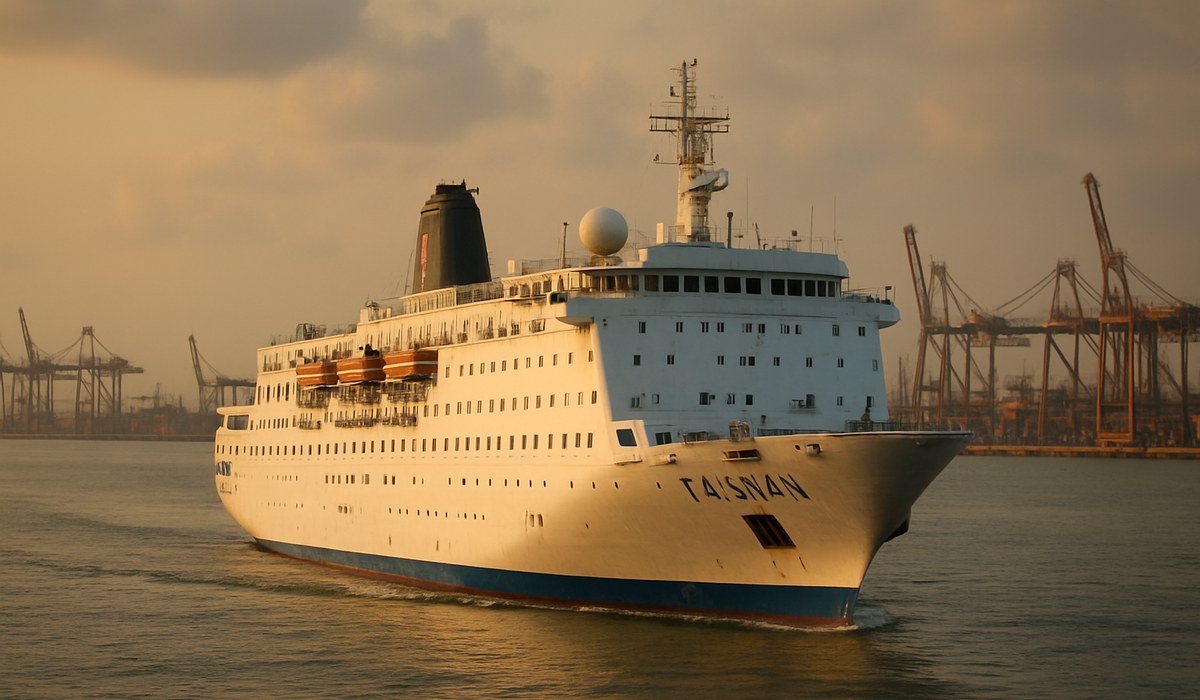
Image generated by AI
Bohai Ferry Exits Cruise Industry, Redirects Taishan Vessel to Freight Operations
Bohai Ferry has made a significant strategic decision to withdraw from Asia's passenger cruise market. The company is repositioning its Taishan ship exclusively toward freight and cargo operations. This operational shift reflects broader changes in China's maritime sector as shipping companies respond to evolving market conditions and revenue opportunities in 2026.
The exit from cruise operations marks a notable transition for Bohai Ferry. The decision prioritizes cargo transportation over passenger services. Industry analysts attribute this move to stronger profitability margins in the freight sector compared to traditional cruising routes. The pivot signals how Chinese maritime operators are adapting their business models to maximize returns in an increasingly competitive shipping environment.
Strategic Market Shift: Why Bohai Ferry Chose Freight Over Cruising
Bohai Ferry's decision to exit the cruise market reflects broader economic realities facing Asian maritime operators. Freight operations currently generate higher revenue per vessel compared to passenger cruising schedules. The Chinese shipping market has experienced substantial growth in cargo demand, particularly for cross-border logistics between major Asian ports.
The company's repositioning of the Taishan vessel aligns with regional supply chain recovery patterns. Container shipping and bulk cargo transport have proven more resilient than cruise services in the post-pandemic recovery period. By concentrating resources on freight operations, Bohai Ferry positions itself to capture lucrative logistics contracts across the Bohai Sea and connected waterways.
This strategic pivot demonstrates how Chinese maritime companies evaluate operational efficiency. Freight services require less passenger infrastructure investment. Cargo operations maintain consistent scheduling without seasonal fluctuations that impact cruise tourism. The move reflects calculated business analysis rather than temporary market adjustments. For detailed industry context, check Cruise Critic's Asia market coverage.
The Taishan's New Role in China's Logistics Network
The Taishan vessel now operates within China's expanding freight infrastructure. The ship transitions from leisure passenger services to essential cargo transportation. This repositioning strengthens China's domestic and regional supply chain capabilities during a period of increasing trade activity.
Freight operations require specialized handling systems and route optimization. The Taishan's transition involves infrastructure modifications suited for cargo management. Chinese ports increasingly compete for volume in container and breakbulk cargo markets. The vessel's new purpose serves this competitive landscape effectively.
Regional freight corridors connecting major Chinese ports have expanded significantly. The Taishan now participates in these high-demand transportation networks. Logistics companies throughout the Bohai region benefit from increased capacity in cargo services. This operational model proves more economically sustainable for Bohai Ferry's long-term business objectives.
Market Implications for China's Cruise Industry
The cruise bohai ferry exit reflects challenging market conditions facing passenger operations in Asia. Chinese cruise operators face competition from larger international cruise lines and shifting consumer preferences. Capacity oversupply in certain Asian cruise markets has pressured ticket pricing and profitability across the region.
Bohai Ferry's decision to abandon cruising demonstrates that not all Chinese maritime operators can maintain viable passenger services. Consolidation and strategic repositioning have become common responses to market pressures. Remaining cruise operators must differentiate through unique itineraries or premium experiences to attract passengers.
The broader Chinese cruise market continues evolving despite individual operator exits. Other companies maintain cruise operations with adjusted business models. Tourist demand for Asian cruises remains steady, though pricing power has diminished. Competition from established cruise lines shapes market dynamics for newer entrants and regional operators throughout 2026.
Operational Timeline and Implementation Details
Bohai Ferry's transition to freight operations began implementation in early 2026. The Taishan vessel underwent operational modifications to accommodate cargo systems and logistics procedures. Port authorities in China coordinated scheduling adjustments to integrate the ship into freight networks.
The company notified existing cruise passengers and travel partners of service discontinuations. This operational shift required coordination with booking platforms and travel agencies. Implementation proceeded methodically to minimize disruption to stakeholders while completing the transition efficiently.
Regulatory compliance for cargo operations differs from cruise ship certification requirements. Chinese maritime authorities reviewed and approved the Taishan's reconfiguration for freight services. Environmental standards for cargo operations align with international maritime regulations. The transition demonstrates how regulatory frameworks accommodate operational changes within approved vessel parameters.
Impact on Asian Cruise Tourism and Regional Competition
The cruise bohai ferry withdrawal creates opportunities for competing operators in Asian markets. International cruise lines continue expanding capacity on popular Asia-Pacific routes. Regional port authorities compete to attract cruise traffic as demand rebounds from previous downturns.
Countries throughout Southeast Asia and East Asia invest in cruise infrastructure development. Singapore, Hong Kong, and Chinese ports expand terminal facilities for larger cruise vessels. This competitive environment has pressured smaller operators like Bohai Ferry to reconsider their market position.
Tourism boards throughout Asia recognize cruise traffic's economic benefits for coastal communities. However, individual operators must achieve profitability to justify continued investment in cruise capacity. The cruise bohai ferry exit illustrates how market forces occasionally result in capacity reductions despite sustained tourism demand. For comprehensive Asia cruise guidance, consult Cruise Critic's comprehensive port reviews.
Market Dynamics and Freight Sector Growth
Freight market conditions in 2026 present compelling incentives for operational repositioning. Container shipping demand remains robust as international trade patterns stabilize. Chinese logistics providers aggressively pursue market share in regional cargo transport.
The Bohai Sea region functions as a critical transportation corridor for Chinese commerce. Port volumes through major facilities continue expanding year-over-year. This growth trajectory supports freight operators' revenue projections more reliably than cruise market forecasts.
Bohai Ferry's strategic analysis likely incorporated multi-year freight demand projections. Container shipping rates, breakbulk cargo volumes, and specialized cargo transport opportunities informed this decision. The company positioned the Taishan to capture specific logistics contracts within China's expanding supply chains.
Cruise Bohai Ferry Market Transition Summary
| Operational Aspect | Previous Cruise Model | New Freight Focus |
|---|---|---|
| Primary Revenue Source | Passenger ticket sales | Cargo transport fees |
| Seasonal Demand Pattern | High summer peaks, winter valleys | Consistent year-round demand |
| Infrastructure Requirements | Passenger amenities, entertainment | Cargo handling equipment, storage |
| Port Turnaround Time | 12-24 hours typical | 24-48 hours for loading/unloading |
| Regulatory Framework | International cruise standards | Cargo vessel regulations |
| Revenue per Voyage | Moderate with capacity limits | Higher profit margins per ton |
| Market Competition | International cruise corporations | Regional logistics companies |
What This Means for Travelers
Asian cruise passengers will experience limited direct impact from Bohai Ferry's exit. Numerous cruise operators continue serving the region with diverse itineraries. However, several developments warrant traveler awareness:
1. Route availability may shift – Some specialty cruises featuring Bohai Sea ports may become unavailable as this regional operator exits. Research alternative cruise lines offering similar Asia-Pacific itineraries before finalizing bookings.
2. Port scheduling will evolve – Chinese maritime ports will redistribute cargo capacity with the Taishan's transition to freight services. This may affect cruise ship docking schedules and shore excursion timing at major hubs.
3. Pricing dynamics could improve – Reduced cruise capacity in certain markets sometimes strengthens demand among remaining operators. Competitive pricing may stabilize as consolidation continues within the Asian cruise sector.
4. Booking window expansion – Travelers should book Asia cruises 3-4 months in advance. The cruise bohai ferry transition emphasizes how regional operator changes can affect availability on preferred dates and routes.
5. Alternative experiences available – Luxury cruise lines and major operators offer superior itinerary options throughout the Bohai region and broader Asia-Pacific markets. Consider these alternatives when original regional cruise options become unavailable.
FAQ: Cruise Bohai Ferry and Asian Cruise Market Changes
What does the cruise bohai ferry exit mean for booked passengers? Bohai Ferry's departure from cruise operations primarily affects future bookings. Existing reservations with established cruise lines operate normally. Passengers with Bohai Ferry reservations receive rebooking assistance or refunds. Contact your travel agent or cruise provider immediately if your cruise was booked with this operator.
Will other cruise lines replace the cruise bohai ferry capacity in Asian markets? Major international cruise operators continue expanding Asia-Pacific itineraries despite Bohai Ferry's withdrawal. Royal Caribbean, Carnival, and Disney maintain robust Asian cruise schedules. Chinese domestic cruise operators also continue regional services. The market adjusts through reallocation rather than capacity replacement.
How will Chinese ports adapt after cruise bohai ferry shifts to freight operations? Chinese maritime authorities have adequate infrastructure to absorb the Taishan vessel into freight networks. Port facilities accommodate both cruise and cargo operations through efficient scheduling. The transition strengthens China's logistics capacity without compromising cruise terminal services at major hubs.
When should travelers book alternative Asia cruises following this market change? Book Asia cruises 12-16 weeks in advance for optimal cabin selection and pricing. March through May typically offers favorable pricing before peak summer demand. This timeline allows flexibility if preferred itineraries become unavailable due to operator changes or seasonal adjustments.
Related Travel Guides
Asia Cruise Ports 2026: Complete Port Guide and Shore Excursion Planning
Chinese Coastal Cruising: Bohai Sea Routes and Regional Itineraries
Best Time to Book Asian Cruises: Seasonal Pricing and Availability Tips
Disclaimer
Disclaimer
This article is for informational and educational purposes only. It does not constitute legal, financial, or professional advice. While we strive to provide accurate and up-to-date information, travel policies, regulations, and conditions change rapidly. Always verify information with official sources before making travel decisions. Nomad Lawyer makes no representations about the accuracy, reliability, completeness, or suitability of the information provided. Readers should consult qualified professionals for advice specific to their circumstances. The views expressed in this article are those of the author and do not necessarily reflect the views of Nomad Lawyer.
Raushan Kumar
Founder & Lead Developer
Full-stack developer with 11+ years of experience and a passionate traveller. Raushan built Nomad Lawyer from the ground up with a vision to create the best travel and law experience on the web.
Learn more about our team →