
Boeing's 777X Reaches Critical Certification Milestone: What Production-Standard Aircraft Mean for Aviation's Future
Breaking airline news and aviation industry updates for 2026.

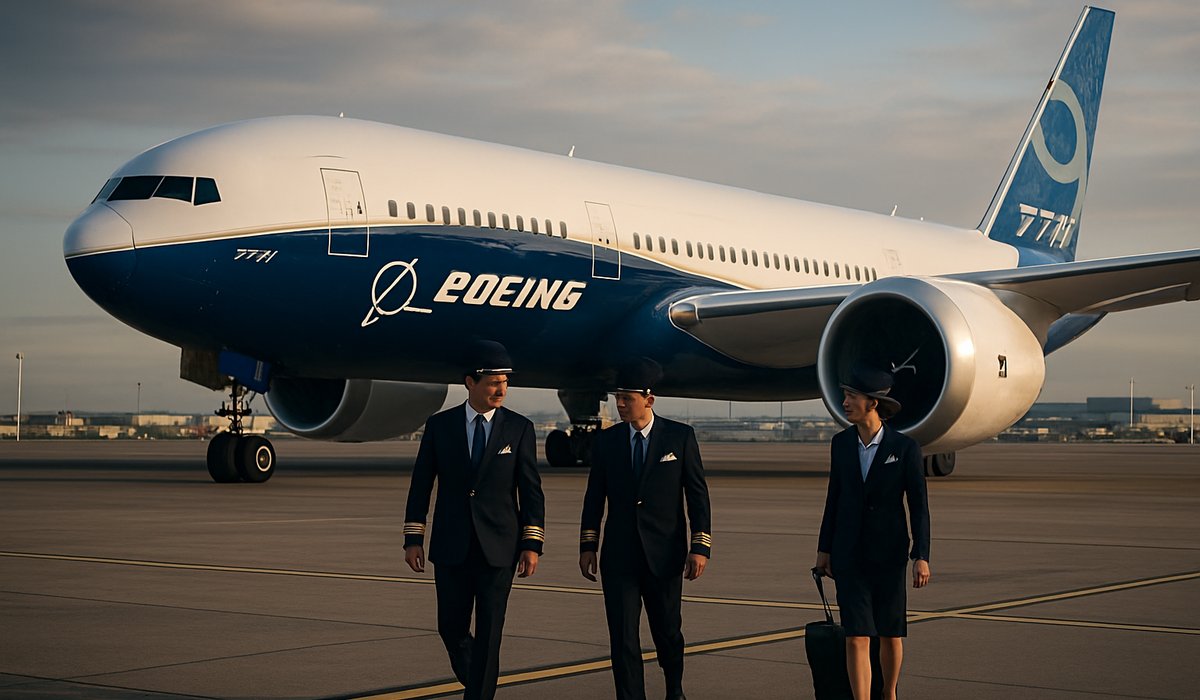
Image generated by AI
Boeing's 777X Reaches Critical Certification Milestone: What Production-Standard Aircraft Mean for Aviation's Future
The aerospace giant's long-awaited wide-body jet enters pivotal testing phase, signaling potential breakthrough after years of regulatory delays
A Watershed Moment for Boeing's Troubled Program
Boeing is approaching a decisive inflection point in its 777X development cycle as the manufacturer prepares to fly the first production-standard aircraft—a technical threshold that extends far beyond symbolic significance in the aviation industry. This milestone represents not merely another test flight, but rather a fundamental recalibration of how global aviation regulators will assess whether the aircraft meets stringent safety and operational standards required for commercial service.
The distinction between development and production-standard variants carries profound implications for the aerospace sector, one still recovering from production bottlenecks, supply chain disruptions, and certification scrutiny that have plagued manufacturers since the pandemic. For Boeing specifically, this moment arrives after years of setbacks that have reshaped the competitive landscape and tested investor confidence in the company's ability to deliver next-generation aircraft on schedule.
Understanding "Production-Standard" in Aviation Certification
In aerospace terminology, a production-standard aircraft incorporates all manufacturing processes, materials specifications, and assembly procedures that will be used for commercial deliveries. Unlike earlier development prototypes, this variant demonstrates that the aircraft can be built repeatedly using actual production line methods—a critical requirement for regulatory authorities including the Federal Aviation Administration (FAA) and the European Union Aviation Safety Agency (EASA).
This distinction matters enormously because regulators must verify not only that the design works in theory, but that it can be consistently manufactured to the same standards across multiple airframes. The 777X's journey to this point reflects the complexity of certifying wide-body aircraft, which operate across varied climates, altitudes, and demanding international routes where reliability margins are measured in fractions of a percentage point.
Industry-Wide Implications and Market Pressure
The timing of this certification gate carries broader significance for an aviation sector grappling with aging fleet replacements and growing environmental regulations. Airlines worldwide have placed substantial orders for the 777X, betting on its fuel efficiency and cabin capacity to offset operational costs amid volatile jet fuel markets and evolving sustainability mandates.
Successful navigation of this production-standard phase could unlock hundreds of deliveries and generate substantial revenue for Boeing, while any additional delays would further extend the global shortage of wide-body aircraft and intensify pressure on competing manufacturers to accelerate their own certification programs.
FAQ: Understanding Boeing 777X Production Standards
What does "production-standard" mean in aircraft certification? It means the aircraft is built using actual manufacturing processes, materials, and assembly methods that will be used for all future commercial deliveries—not prototype modifications.
How does this differ from previous 777X test flights? Development versions may include experimental systems or materials, while production-standard aircraft must prove repeatability across multiple units using standard factory procedures.
When could airlines receive their first 777X deliveries? That timeline depends on successful completion of this certification phase and FAA/EASA approval, with industry estimates suggesting potential entry into service within 12-24 months pending regulatory authorization.
Which airlines have ordered the 777X? Major carriers including Emirates, Qatar Airways, Singapore Airlines, and All Nippon Airways have significant orders representing billions of dollars in commitments.
What could delay this certification milestone? Unexpected technical findings during production verification, regulatory requests for additional testing, or supply chain constraints could push timelines further into 2025 and beyond.
Related Travel Guides
- Delta Air Lines Pulls Service From Regional Hub as Demand Collapse Forces Carrier Retreat
- Delta Air Lines Flight SKW4016 Urgent Diversion: Embraer E175LR Rerouted to Lafayette Triggering Louisiana Travel Chaos and Airport Disruptions: Airline News
- Delta Air Lines Expands Aggressively at Austin Hub, Launching Nine New Routes as Part of Strategic Growth Initiative
Disclaimer
This article is for informational and educational purposes only. It does not constitute legal, financial, or professional advice. While we strive to provide accurate and up-to-date information, travel policies, regulations, and conditions change rapidly. Always verify information with official sources before making travel decisions. Nomad Lawyer makes no representations about the accuracy, reliability, completeness, or suitability of the information provided. Readers should consult qualified professionals for advice specific to their circumstances. The views expressed in this article are those of the author and do not necessarily reflect the views of Nomad Lawyer.
Preeti Gunjan
Contributor & Community Manager
A passionate traveller and community builder. Preeti helps grow the Nomad Lawyer community, fostering engagement and bringing the reader experience to life.
Learn more about our team →