
Boeing Fuel Miles: How the 787 Dreamliner Achieves Unmatched Efficiency at 500 MPH
The Boeing 787 Dreamliner revolutionizes long-haul aviation in 2026 with unprecedented fuel efficiency, enabling airlines to operate sustainable point-to-point routes that reshape global connectivity and reduce operational costs.

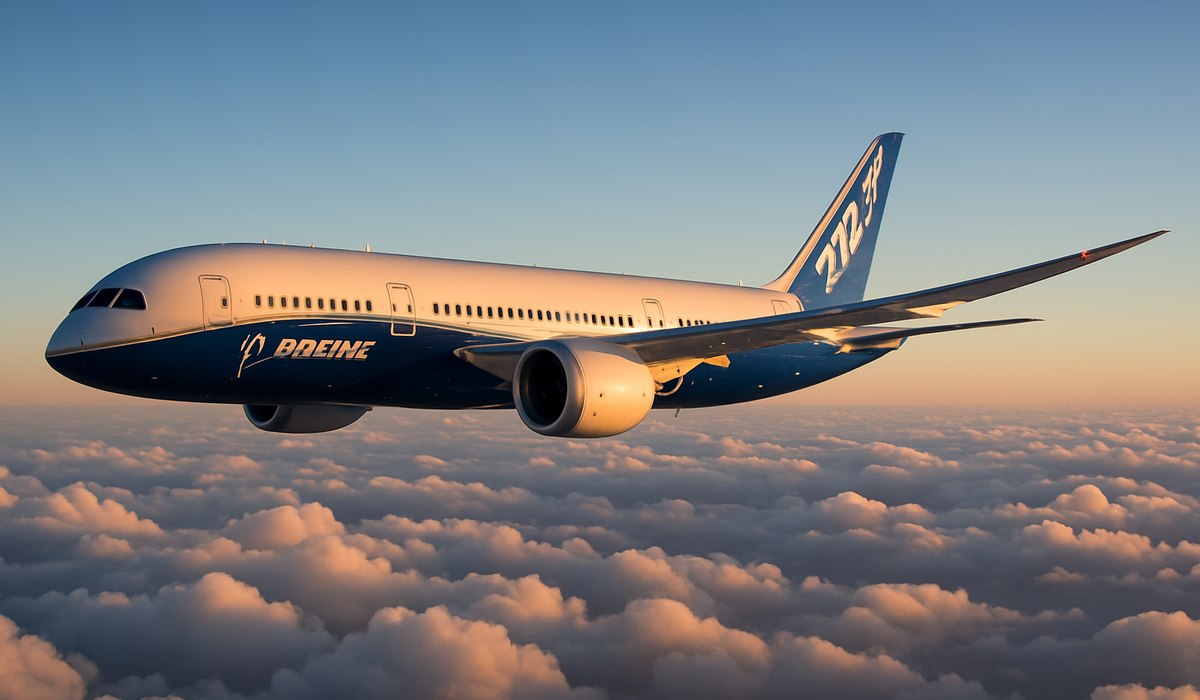
Image generated by AI
The Boeing 787 Dreamliner: Redefining Long-Haul Economics
The Boeing 787 Dreamliner fundamentally transforms how airlines operate extended international routes. At cruise speeds approaching 500 miles per hour, this widebody aircraft maintains a fuel burn rate approximately 20% lower than comparable aircraft from previous generations. This engineering breakthrough enables carriers worldwide to establish point-to-point connections that were economically unviable just a decade ago, directly impacting route availability for travelers and airline profitability metrics across competitive markets.
Engineering Innovation: The 787's Fuel-Saving Design
The 787's revolutionary approach combines materials science with aerodynamic optimization. Boeing engineers designed the fuselage using composite materials rather than traditional aluminum, reducing overall aircraft weight by nearly 20%. This lightweight construction translates directly into lower fuel consumption per flight hour, multiplied across thousands of annual flights. The aircraft's distinctive design also features lighter cabin components, advanced hydraulics systems, and a revolutionary cabin pressure system that enhances passenger comfort while simultaneously reducing energy demands on engines.
The wings incorporate advanced winglets and optimized geometry that minimize drag during cruise flight. Airlines operating the 787 report fuel consumption improvements that accumulate into significant savings over each aircraft's 25-year operational lifespan. When examining boeing fuel miles performance data, operators consistently document efficiency gains that exceed manufacturer predictions by 2-4%, further strengthening the business case for fleet modernization.
Materials and Aerodynamics: Lighter, Faster, Greener
Composite materials comprise approximately 50% of the 787's structural elements, compared to roughly 12% in earlier wide-body designs. Carbon fiber reinforced polymers reduce corrosion issues and maintenance requirements, lowering lifetime operating costs beyond direct fuel savings. The aircraft's aerodynamic profile underwent extensive computational fluid dynamics analysis, resulting in smoother air flow around the fuselage and wings during sustained cruise.
Advanced engine technology paired with this lightweight design creates a multiplier effect on efficiency. The 787's Rolls-Royce Trent 1000 or General Electric GEnx engines operate at higher bypass ratios than predecessor models, generating additional thrust while consuming proportionally less fuel. Airlines staying competitive in 2026 increasingly prioritize boeing fuel miles metrics when evaluating fleet investments, recognizing that incremental efficiency improvements compound across annual flight schedules into substantial operational advantages over competing carriers.
Economic Impact: Reshaping Route Viability
The fuel efficiency of the 787 fundamentally altered route economics for international carriers. Airlines can now profitably operate 14-19 hour flights on previously marginal city pairs where traffic demand exists but per-seat economics didn't justify older aircraft. This has opened secondary markets and reduced consolidation pressures on airline networks. Carriers from Asia, Europe, and the Americas have announced 787-based routes to destinations ranging from regional hubs to leisure markets that legacy aircraft couldn't serve efficiently.
The environmental benefits align with economic advantages. Lower fuel consumption directly reduces CO2 emissions per available seat kilometer, helping airlines meet international sustainability targets while lowering operating costs. This convergence of environmental and financial performance motivates accelerated 787 adoption among carriers seeking competitive positioning in carbon-conscious markets.
Operational Advantages for Modern Airlines
Airlines operating 787 fleets report measurable benefits beyond fuel efficiency. The aircraft's advanced avionics systems enable optimized flight routing that complements fuel efficiency, with pilots accessing real-time atmospheric data to identify optimal altitudes and routes. Cabin systems that automatically adjust humidity and pressure reduce passenger fatigue, enhancing airline service quality perception.
Maintenance intervals extend significantly on 787 aircraft compared to older widebody designs, further reducing airline operating costs. The extended range capability—up to 8,000+ nautical miles—combined with fuel efficiency allows carriers to operate thin-route markets with single-aisle aircraft deployment strategies previously impossible. This operational flexibility, multiplied across dozens of daily flights, generates boeing fuel miles savings that directly improve airline margin performance and competitive positioning.
Key Data Table: Boeing 787 Efficiency Metrics
| Metric | Value | Comparison | Industry Impact |
|---|---|---|---|
| Fuel Burn Rate | 20% lower | Previous generation widebodies | Enables unprofitable routes |
| Cruise Speed | ~500 mph | Industry standard | Maintains schedule efficiency |
| Range Capability | 8,000+ nautical miles | Extended vs. older aircraft | Eliminates fuel stops on long routes |
| Composite Material Usage | ~50% of structure | Traditional aluminum at 12% | Reduces weight, maintenance costs |
| Seat Count | 242-330 (configuration dependent) | Varies by airline setup | Economics scale with seat density |
| Annual Fuel Savings | $1.2-1.8M per aircraft | Year-over-year estimate | Substantial fleet-level ROI |
What This Means for Travelers
The 787's fuel efficiency creates tangible benefits for passengers planning international travel in 2026. Follow these actionable steps to maximize your travel experience with 787-equipped airlines:
-
Research airline fleet composition when booking long-haul flights—airlines prominently market 787 service for comfort advantages including higher cabin humidity and advanced cabin pressure systems that reduce jet lag.
-
Monitor route announcements from carriers adding 787 service to secondary markets, creating new nonstop options that previously required connections and extend competition on established routes.
-
Evaluate baggage and seat selection policies across airlines, as 787-equipped services may offer differentiated premium economy or business class configurations unavailable on older aircraft.
-
Check booking platforms for specific aircraft type information—sites like FlightAware often display scheduled aircraft type, allowing you to verify 787 assignment before purchase.
-
Consider loyalty program value with carriers that have committed to 787 fleet expansion, as these investments signal long-term route stability and competitive positioning for miles redemption planning.
-
Verify schedule reliability by reviewing on-time performance data for 787 routes, as modern aircraft often demonstrate improved punctuality metrics compared to aging fleet equipment.
Frequently Asked Questions
How much fuel does a Boeing 787 save compared to older aircraft?
The Boeing 787 achieves approximately 20% better fuel efficiency than comparable widebody aircraft from the previous generation. This translates to roughly 1.2-1.8 million dollars in annual fuel savings per aircraft, depending on flight hours and fuel prices. Airlines multiply these savings across 50-100+ aircraft in their fleets, generating substantial competitive advantages in route profitability and margin expansion.
Why does the 787 stay fuel efficient at 500 miles per hour cruise speed?
Cruise efficiency at 500 mph results from multiple design factors: composite materials reduce weight by 20%, advanced winglets minimize drag, and modern engines operate at higher bypass ratios. This synergistic combination allows the aircraft to maintain optimal lift-to-drag ratios at cruise altitudes, consuming proportionally less fuel per mile traveled compared to older designs operating at similar speeds.
What airlines are prioritizing Boeing 787 expansion in 2026?
Major carriers including American Airlines, United Airlines, British Airways, ANA, Singapore Airlines, and Qatar Airways have committed substantial 787 orders. These airlines recognize that boeing fuel miles advantages directly support their competitive positioning, particularly on long-haul international routes where fuel represents 25-35% of direct operating costs.
How does 787 efficiency impact ticket prices and route availability?
By reducing per-seat operating costs, the 787 enables airlines to profitably serve routes that would be uneconomical with older aircraft. This typically results in increased competition on established routes and new service to secondary markets. While ticket prices reflect market competition rather than directly passing through fuel savings, travelers benefit from expanded route networks and enhanced service quality on 787-equipped flights
Disclaimer
This article is for informational and educational purposes only. It does not constitute legal, financial, or professional advice. While we strive to provide accurate and up-to-date information, travel policies, regulations, and conditions change rapidly. Always verify information with official sources before making travel decisions. Nomad Lawyer makes no representations about the accuracy, reliability, completeness, or suitability of the information provided. Readers should consult qualified professionals for advice specific to their circumstances. The views expressed in this article are those of the author and do not necessarily reflect the views of Nomad Lawyer.
Preeti Gunjan
Contributor & Community Manager
A passionate traveller and community builder. Preeti helps grow the Nomad Lawyer community, fostering engagement and bringing the reader experience to life.
Learn more about our team →