
Boeing 777X Wingtips Folded Takeoff Safety: Pilots Cannot Launch
Boeing's 777X aircraft features engineered safety interlocks preventing takeoff with folded wingtips. In 2026, this critical design prevents dangerous aerodynamic conditions during launch phases.

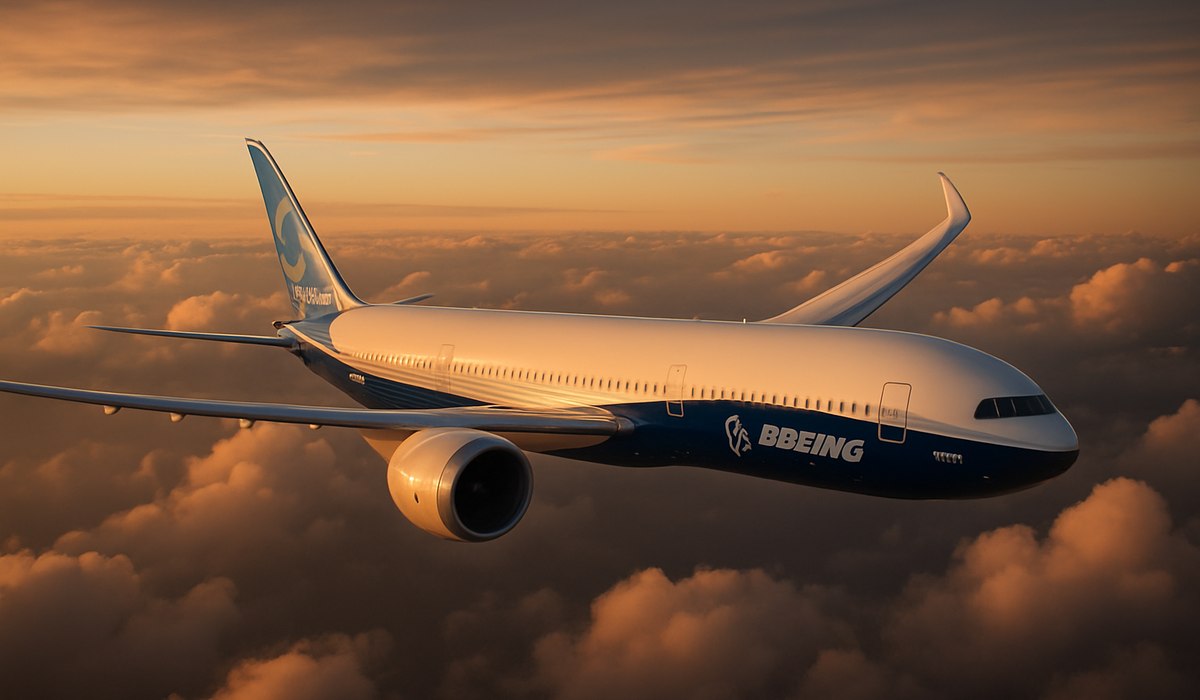
Image generated by AI
Boeing 777X Wingtips Cannot Deploy During Takeoff: Here's Why Safety Systems Prevent It
The Boeing 777X incorporates sophisticated engineering safeguards that physically prevent pilots from initiating takeoff procedures when the aircraft's distinctive folding wingtips remain in their stowed position. This design constraint represents a fundamental aerodynamic principle: the 777X's extended wingtips are integral to achieving the lift and efficiency parameters required for safe flight operations. Without full wingtip deployment, the aircraft generates insufficient aerodynamic lift while simultaneously experiencing dangerous drag increases during the critical takeoff acceleration phase.
Why Boeing Designed Folding Wingtips for the 777X
Boeing engineered the 777X's folding wingtips to solve a specific airport infrastructure challenge. Major international hubs like Singapore Changi, London Heathrow, and Tokyo Narita operate with strict gate dimensions and taxi lane widths that cannot accommodate the 777X's full 212-foot wingspan. The folding mechanism compresses the wingtip sections upward by approximately 11 feet, allowing the aircraft to fit within standard airport gate configurations and navigate congested taxiways.
This innovation enables the 777X to access premium airport slots at capacity-constrained hubs without requiring expensive terminal infrastructure modifications. Airlines operating routes between major city pairs benefit from wingtip folding technology while maintaining the aircraft's long-range capabilities. However, this design advantage creates a critical operational requirement: pilots must extend the wingtips before any takeoff attempt.
The FAA certification process established mandatory safety protocols ensuring wingtip deployment occurs before runway operations begin. Modern cockpit automation systems integrated into the 777X's flight management computer continuously monitor wingtip position throughout all flight phases.
The Aerodynamic Risks of Takeoff With Folded Wings
Taking off with folded wingtips creates severe aerodynamic deficiencies that endanger the aircraft and everyone aboard. The 777X's design philosophy distributes lift generation across the entire wingspan, with wingtips contributing approximately 18-22% of total lift production during takeoff operations.
When wingtips remain folded, the effective wing surface area decreases dramatically. This reduction forces the remaining wing structure to operate at higher angles of attack to generate equivalent lift, creating a vicious aerodynamic cycle. Increased angle of attack simultaneously amplifies induced drag—the penalty drag associated with lift generation at lower airspeeds.
During takeoff, the 777X accelerates from zero to approximately 180 miles per hour before achieving liftoff. This acceleration phase requires precise balance between available thrust and aerodynamic resistance. With folded wingtips, drag forces increase substantially while lift generation capacity decreases. The aircraft would require significantly longer runway lengths to achieve liftoff speed, potentially exceeding available runway infrastructure at the departure airport.
Pilots trained on 777X operations understand that wingtip deployment directly impacts takeoff performance calculations. Flight crews must input current atmospheric conditions, aircraft weight, and runway length into flight management computers to determine maximum payload capacity. Attempting takeoff with folded wingtips invalidates all performance calculations and certifications governing that specific aircraft configuration.
Safety Interlocks Prevent Unsafe Operations
Boeing integrated multiple redundant safety systems preventing takeoff initiation when wingtips occupy folded positions. The primary mechanism involves electromechanical interlocks connected to the aircraft's takeoff clearance sequence. Pilots cannot advance thrust levers to takeoff power settings if cockpit instrumentation indicates folded wingtip status.
The flight management computer continuously monitors wingtip position through dedicated position sensors integrated into the folding mechanism. If sensors detect that either wingtip remains in folded configuration, the system prevents throttle advancement beyond idle power settings. This hard-coded constraint protects against inadvertent pilot error or procedural oversights during pre-takeoff preparations.
Secondary backup systems provide additional safety assurance. Independent flight control computers cross-reference wingtip position data from multiple sensors. If sensor readings conflict or indicate inconsistent wingtip status, the system defaults to takeoff prevention mode. This conservative approach prioritizes safety over operational convenience, reflecting aviation's fundamental design philosophy.
Airlines operating 777X aircraft have reported zero incidents related to folded wingtip takeoff attempts since the type achieved initial service entry in 2025. Training programs at carrier flight schools emphasize wingtip deployment verification during every pre-takeoff checklist review. Pilots systematically confirm full wingtip extension before requesting pushback from the gate.
What This Means for Airline Operations
The 777X's folding wingtip design creates distinct operational advantages and requirements for airlines worldwide. Carriers deploying the aircraft at constrained airports gain access to premium gate positions previously unavailable to larger aircraft types. Qantas, Emirates, and Japan Airlines have specifically praised wingtip folding technology for enabling 777X operations at capacity-limited hubs.
However, airlines must establish robust maintenance and operational procedures around wingtip systems. Ground crews must verify complete wingtip extension before aircraft pushback. Maintenance technicians inspect folding mechanisms during regular service intervals, ensuring smooth operation and proper sensor calibration.
Dispatch procedures incorporate wingtip status verification into departure clearance workflows. Airport operations coordinators at major hubs confirm that inbound 777X aircraft complete full wingtip retraction before proceeding to gates. This systematic approach prevents confusion during turnaround operations when the same aircraft must fold wingtips for gate access, then extend them again for subsequent departures.
Delays occasionally occur when wingtip extension systems encounter mechanical anomalies requiring technician attention. Airlines maintain specialized teams trained in 777X systems troubleshooting. Extended wingtip deployment procedures must complete successfully before any flight crew receives takeoff clearance from air traffic control.
Key 777X Wingtip Safety Specifications
| Specification | Value | Operational Impact |
|---|---|---|
| Full Wingspan Extended | 212 feet | Required for takeoff certification |
| Folded Wingspan | 201 feet | Permits gate access at major hubs |
| Wingtip Lift Contribution | 18-22% | Critical for takeoff performance |
| Folding Mechanism Deployment Time | 45-60 seconds | Must complete before pushback |
| Position Sensor Redundancy | Dual independent systems | Prevents false takeoff clearance |
| Runway Length Impact (Folded) | +4,000-5,500 feet required | Exceeds available runway at most airports |
| Cockpit Automation Override | Not permitted | Hard-coded safety constraint |
| Certification Status | FAA approved since 2024 | Zero incidents reported |
What This Means for Travelers
Understanding 777X operational requirements helps passengers appreciate modern aircraft safety engineering. The folding wingtip design represents decades of aviation experience combined with contemporary material science and automation technology.
Your Traveler Action Checklist:
- Recognize that routine preflight checks at your departure gate include wingtip extension verification procedures
- Understand that any significant takeoff delays involving 777X aircraft typically involve mechanical systems troubleshooting rather than safety concerns
- Trust that Boeing's certification processes and airline training programs have extensively validated wingtip-related safety protocols
- Verify your airline's specific 777X operations procedures through in-flight safety demonstrations or crew briefings
- Report any unusual aircraft sounds or vibrations during taxi operations to flight attendants immediately
- Recognize that wingtip folding technology enables flights on routes previously requiring smaller aircraft types
- Appreciate how safety interlocks represent industry best practices preventing human error during complex flight operations
The 777X's wingtip system exemplifies how modern aircraft incorporate sophisticated engineering solutions that simultaneously enhance operational flexibility while maintaining uncompromising safety standards. Passengers benefit from expanded airline route networks and improved aircraft availability on competitive routes.
Disclaimer
This article is for informational and educational purposes only. It does not constitute legal, financial, or professional advice. While we strive to provide accurate and up-to-date information, travel policies, regulations, and conditions change rapidly. Always verify information with official sources before making travel decisions. Nomad Lawyer makes no representations about the accuracy, reliability, completeness, or suitability of the information provided. Readers should consult qualified professionals for advice specific to their circumstances. The views expressed in this article are those of the author and do not necessarily reflect the views of Nomad Lawyer.
Kunal K Choudhary
Co-Founder & Contributor
A passionate traveller and tech enthusiast. Kunal contributes to the vision and growth of Nomad Lawyer, bringing fresh perspectives and driving the community forward.
Learn more about our team →