
Boeing 767 World Cup Teams Arrive in Custom Livery Aircraft
National football teams touchdown in style aboard chartered Boeing 767 widebody jets and tournament-themed aircraft for 2026 FIFA World Cup. Custom liveries transform team travel into pre-match pageantry across US airports.

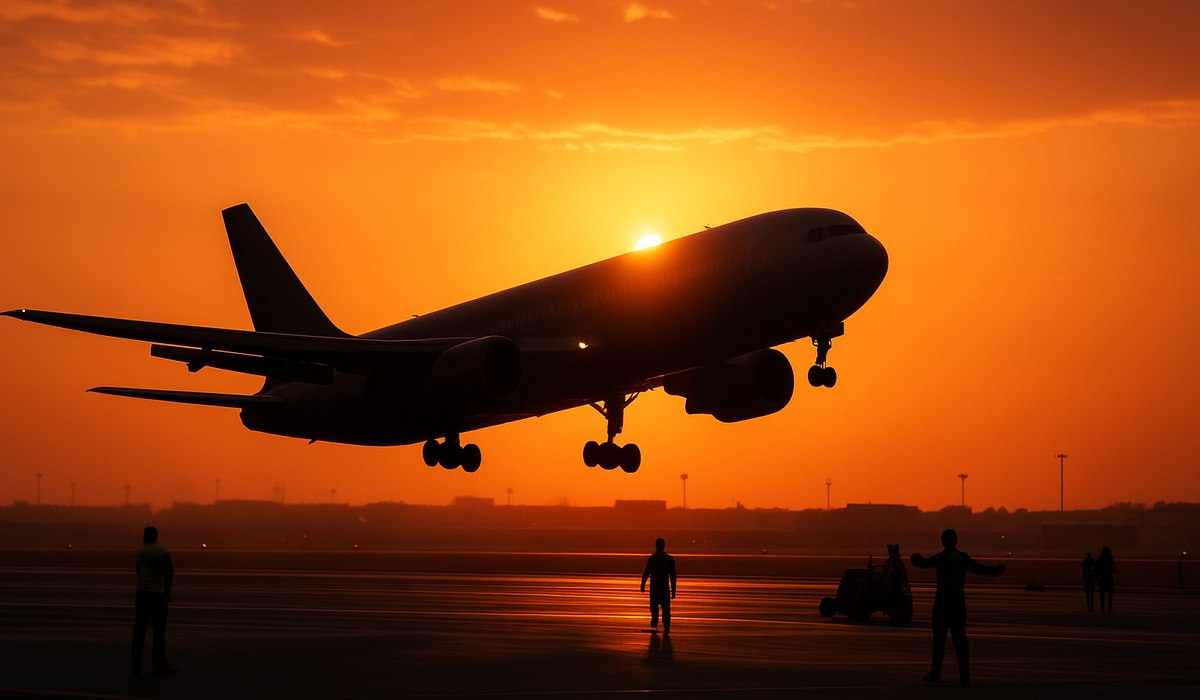
Image generated by AI
National Teams Elevate World Cup Arrivals With Luxury Aircraft and Custom Liveries
Brazil's privately chartered Boeing 767 has set the tone for the 2026 FIFA World Cup as teams converge on United States airports, transforming airport tarmacs into stages for national pride. From June through tournament completion, international football federations are investing in premium widebody jet charters and bespoke aircraft paintwork to announce their arrivals with unmistakable visual spectacle. The Boeing 767 world cup teams phenomenon represents a strategic shift where team transportation doubles as diplomatic messaging and fan engagement before kickoff.
Airlines operating these high-profile charters report increased demand from national federations seeking aircraft that balance capacity, range, and prestige. The widebody twin-engine platform accommodates full squads, coaching staff, and media while projecting authority and resources. Brazil's selection of a Boeing 767 for their arrival has catalyzed similar bookings, with multiple confederation offices requesting comparable aircraft and custom livery services throughout June and July.
The Boeing 767 and Brazil's High-Profile Arrival Strategy
Brazil's decision to arrive aboard a specially configured Boeing 767 underscores how tournament economics extend beyond on-field performance. The aircraft, chartered through a major aviation services provider, features customized cabin layouts optimizing player comfort during long-haul transatlantic flights. Interior configurations include premium sleeping berths, medical facilities, and dedicated spaces for coaching analysis.
The timing of Brazil's touchdown coincided with peak media coverage cycles, amplifying the visual impact across social platforms and traditional sports broadcasting. Airport arrival ceremonies now factor into tournament narratives, with federation media teams coordinating with aviation authorities to maximize photographic opportunities. The Boeing 767 cabin capacity—typically 180 to 290 passengers depending on configuration—allows full organizational delegations to travel cohesively, eliminating split charters that fragment team unity.
International air freight operators have similarly capitalized on World Cup logistics, transporting equipment, merchandise, and support gear aboard cargo-configured widebody platforms. The tournament's scale requires coordination across multiple aircraft types, from Boeing 767 passenger variants through larger 777 and 787 platforms for federations managing expanded delegations.
Custom Liveries as National Pride Statements
Special liveries transform standard white aircraft into mobile national monuments, with paint schemes honoring flag colors, federation crests, and tournament branding. Mexico's federation commissioned a striking livery integrating emerald green and red field designs, while Argentinean aircraft sport tango-inspired geometric patterns alongside national insignia.
These custom paint schemes require 200 to 400 labor hours and cost federations $150,000 to $300,000 per aircraft. Despite substantial investment, federations view special liveries as essential to team brand presence and supporter morale. The painted aircraft becomes merchandise itself—circulating through international airports, appearing in livestreamed arrival content, and creating shareable moments for digital audiences numbering in billions.
Airlines partnering with national federations for livery projects coordinate with maintenance facilities capable of handling specialized paint systems rated for high-altitude operations. The paint must withstand pressurization cycles, thermal stress, and UV exposure without compromising aerodynamic performance or weight specifications. Major carriers including Lufthansa, Air France, and United Airlines have dedicated widebody aircraft to World Cup team charters, managing paint rotation cycles around maintenance schedules.
Airlines and Federations Partner for Spectacle and Logistics
Aviation stakeholders recognized World Cup 2026 as a transformative opportunity to showcase premium services and strengthen sports marketing portfolios. Charter brokers report federation booking windows extended 18 months into advance planning, contrasting sharply with typical 30-to-60-day commercial charter timelines.
Airlines offer federation-specific packages bundling aircraft availability, catering customization, ground handling coordination, and crew briefings emphasizing security protocols and arrival ceremony logistics. These comprehensive packages cost $300,000 to $500,000 per transatlantic charter, representing substantial commitments from federation budgets allocated across 50+ nations.
United States airports including Miami International, Dallas-Fort Worth, and Los Angeles prepared dedicated federation arrival zones with premium ground infrastructure, including private hangars, secure vehicle access, and media staging areas. The FAA coordinated with league offices to manage increased widebody traffic into secondary markets unprepared for premium charter volumes, requiring tower staffing augmentation and runway utilization studies.
Catering companies specializing in sports team provisioning developed World Cup-specific menus honoring regional cuisines and dietary requirements spanning 32+ national teams. Aircraft galley operations require advance menu submissions, inventory management across temperature-controlled holds, and crew training on specialized service protocols. The complexity rivals commercial airline operations despite smaller passenger counts.
The Evolution of Team Travel in Modern Football
Professional football team transportation has undergone dramatic transformation since the 1980s, when international squads routinely traveled via commercial carriers sharing cabin space with civilian passengers. Security concerns, player injury management, and federation autonomy preferences catalyzed the shift toward dedicated charters.
Modern team travel integrates sports medicine infrastructure, including onboard physiotherapy equipment, pharmaceutical refrigeration, and telemedicine connectivity enabling remote consultations with federation medical staff. Boeing 767 configurations accommodate these specialized systems within cargo holds and cabin modification bays, supporting pre-tournament conditioning regimens and injury monitoring throughout World Cup windows.
The phenomenon reflects broader athlete professionalization trends where team environments remain completely controlled from departure through arrival. Players experience climate-controlled environments, customized nutrition, entertainment systems providing competitive analysis footage, and sleep optimization protocols synchronized with circadian adjustment protocols for transatlantic travel.
Federation investment in team travel quality has become recruitment leverage, with mid-tier federations enhancing charter specifications to attract player participation from lucrative domestic leagues. National team commitments compete against club season obligations, making premium travel experiences essential incentives for international duty sacrifice.
Key Data Table: World Cup 2026 Team Charter Operations
| Metric | Value | Notes |
|---|---|---|
| Primary Aircraft Type | Boeing 767 Widebody | Dominates federation bookings for transatlantic routes |
| Typical Charter Cost | $350,000-$450,000 | Per transatlantic roundtrip, catering included |
| Special Livery Investment | $150,000-$300,000 | Per aircraft, labor-intensive paint applications |
| Cabin Capacity Range | 180-290 passengers | Depends on federation delegation size and configuration |
| Custom Livery Labor Hours | 200-400 hours | Specialized technicians required for aircraft paint systems |
| Peak Charter Booking Window | 12-18 months prior | Far exceeds commercial charter typical 30-60 days |
| Participating Federations | 32 nations | All World Cup entrants utilizing premium charters |
| Average Delegation Size | 55-85 personnel | Players, coaching staff, medical, logistics, media |
| Estimated Total Charter Spending | $15M-$20M | Aggregate federation investment across tournament |
What This Means for Travelers
The surge in premium World Cup team charters creates notable ripple effects across commercial aviation networks and airport operations:
1. Monitor airport congestion during team arrival windows. Check FlightAware for widebody charter traffic into your departure or connection airports, anticipating ground delays during simultaneous federation arrivals.
2. Expect premium ground service availability constraints. Peak federation catering, ground handling, and crew services may temporarily limit commercial carrier availability during June and July at major US airports.
3. Review your airline's operational contingency plans. Visit US DOT resources documenting passenger rights if your commercial flight experiences delays cascading from charter operations congestion.
4. Verify team travel schedules with your airline.
Disclaimer
This article is for informational and educational purposes only. It does not constitute legal, financial, or professional advice. While we strive to provide accurate and up-to-date information, travel policies, regulations, and conditions change rapidly. Always verify information with official sources before making travel decisions. Nomad Lawyer makes no representations about the accuracy, reliability, completeness, or suitability of the information provided. Readers should consult qualified professionals for advice specific to their circumstances. The views expressed in this article are those of the author and do not necessarily reflect the views of Nomad Lawyer.
Raushan Kumar
Founder & Lead Developer
Full-stack developer with 11+ years of experience and a passionate traveller. Raushan built Nomad Lawyer from the ground up with a vision to create the best travel and law experience on the web.
Learn more about our team →