
Boeing Expands 737 MAX Production With Historic New Assembly Line Opening in Washington
Breaking airline news and aviation industry updates for 2026.

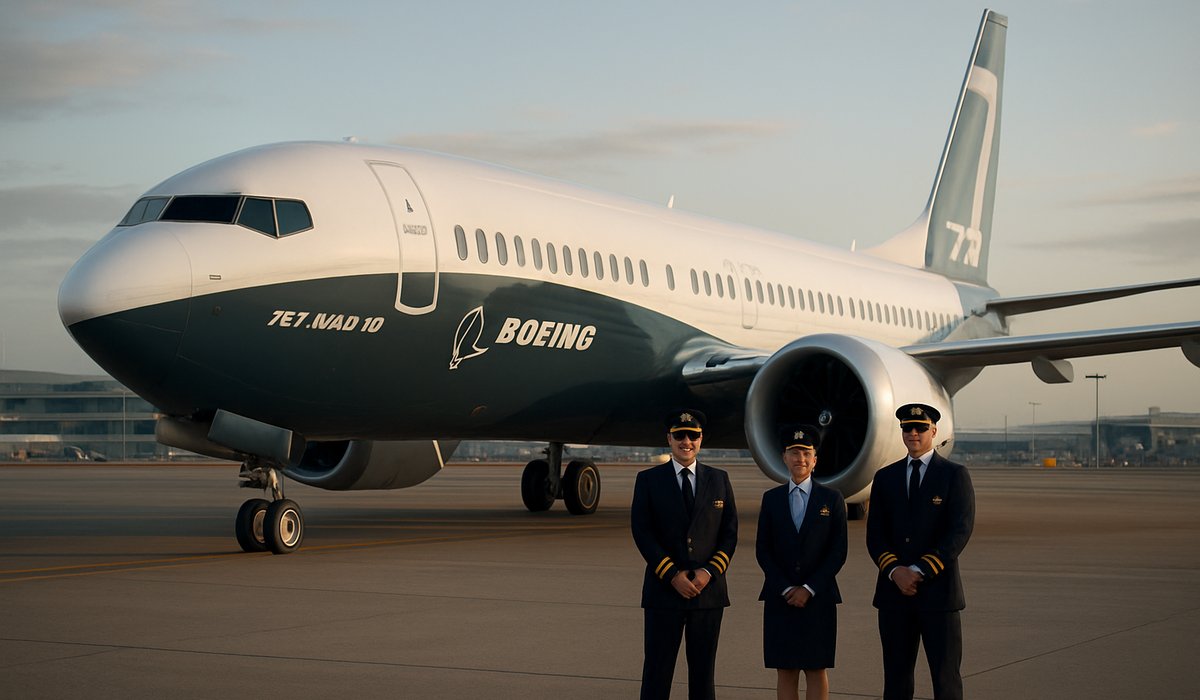
Image generated by AI
Boeing Expands 737 MAX Production With Historic New Assembly Line Opening in Washington
The aircraft giant pivots to dual-factory manufacturing strategy as backlog hits nearly 5,000 orders, signaling confidence in single-aisle jet demand despite industry headwinds
Boeing's Manufacturing Gamble: A New Era for the Best-Selling Jetliner
Boeing is executing one of its most ambitious production overhauls in decades, preparing to launch 737 MAX assembly at a newly constructed facility in Everett, Washington, this summer. The strategic shift marks the first time since the narrowbody program's inception in the 1960s that production will extend beyond Boeing's original Renton factory, underscoring the aerospace manufacturer's determination to accelerate output and stabilize its supply chain at a pivotal moment for commercial aviation.
The new North Line facility represents a watershed moment for Boeing's single-aisle business, which has faced mounting pressure to deliver aircraft faster as global aviation demand rebounds sharply from pandemic-era disruptions. With approximately 4,830 unfilled orders for the 737 MAX family on its books, Boeing is betting that opening a second production site will enable the company to clear its substantial backlog while demonstrating manufacturing resilience to stakeholders and customers worldwide.
Strategic Expansion Amid Industry Recovery and Supply Chain Pressures
The timing of this expansion reveals Boeing's confidence in sustained demand for narrowbody aircraft—the workhorses of short- to medium-haul routes that form the core of global airline fleets. Airlines continue to place orders for fuel-efficient jets as they manage rising operational costs, including volatile jet fuel prices that have reshaped airline fee structures and ticket pricing models across the industry.
The Everett expansion also signals Boeing's commitment to solving persistent manufacturing bottlenecks that have constrained production rates since the 737 MAX's return to service following its 2019-2020 grounding. By distributing production across two facilities, Boeing aims to enhance operational efficiency, reduce delivery delays, and better meet the aggressive purchase commitments from major carriers.
Competition and Market Implications
Boeing's dual-line strategy comes as Airbus's A320 family continues to command significant market share in the narrowbody segment. The competitive pressure in this lucrative market segment—where airlines are particularly sensitive to delivery timelines and aircraft financing costs—has intensified the stakes for Boeing's manufacturing execution.
Industry analysts view the North Line launch as critical to Boeing's ability to maintain market momentum, particularly as airlines worldwide navigate complex decisions about fleet expansion amid economic uncertainty and evolving fuel surcharges.
Looking Ahead
The successful ramp-up of the North Line will test whether Boeing can operate multiple assembly facilities effectively while maintaining quality standards—a challenge that looms large given the company's recent manufacturing quality incidents. Success could position Boeing to capture additional market share and substantially reduce customer wait times, fundamentally reshaping the competitive dynamics of commercial aircraft production.
Frequently Asked Questions
Q: When will the Boeing 737 MAX North Line begin production? A: Boeing plans to begin 737 MAX assembly at its new Everett facility during summer 2024, marking the first production outside Renton since the program's 1967 launch.
Q: How many 737 MAX aircraft does Boeing have on order? A: Boeing currently holds approximately 4,830 unfilled orders for the 737 MAX family, representing substantial demand for single-aisle narrowbody jets.
Q: Why is Boeing opening a second assembly line? A: The expansion aims to increase production capacity, accelerate deliveries to customers, improve manufacturing stability, and meet robust global demand for fuel-efficient narrowbody aircraft.
Q: How does Boeing's expansion affect airline operations and passenger costs? A: Faster aircraft deliveries could help airlines modernize fleets more quickly, potentially reducing fuel costs and operational expenses—though airlines may adjust baggage fees and service charges based on broader economic factors.
Q: What does this mean for Boeing's competitive position against Airbus? A: The North Line reinforces Boeing's commitment to the narrowbody market and its ability to compete with Airbus's A320 family in delivery speed and manufacturing capacity.
Related Travel Guides
- Bypassing Regional Travel Chaos: Cathay Pacific Deploys Direct Almaty Flights to Shield Kazakhstan Tourists from Severe Transit Disruptions
- Delta Air Lines Flight DL1595 Declares Mid-Air Emergency, Diverts to Ogden Amid Massive Wave of Domestic Travel Chaos: Latest Airline News
- Virgin Australia Emergency Landing: Onboard Vape Fire Proves Aviation Safety Systems Work as Designed
Disclaimer
This article is for informational and educational purposes only. It does not constitute legal, financial, or professional advice. While we strive to provide accurate and up-to-date information, travel policies, regulations, and conditions change rapidly. Always verify information with official sources before making travel decisions. Nomad Lawyer makes no representations about the accuracy, reliability, completeness, or suitability of the information provided. Readers should consult qualified professionals for advice specific to their circumstances. The views expressed in this article are those of the author and do not necessarily reflect the views of Nomad Lawyer.
Kunal K Choudhary
Co-Founder & Contributor
A passionate traveller and tech enthusiast. Kunal contributes to the vision and growth of Nomad Lawyer, bringing fresh perspectives and driving the community forward.
Learn more about our team →