
Bhutan Inspires New Era of Cultural Travel With Thimphu Festive Tourism Boom
Bhutan records 209,376 visitor arrivals in 2025, driven by Thimphu festivals, sustainable SDF revenues, and the Gelephu Mindfulness City project.

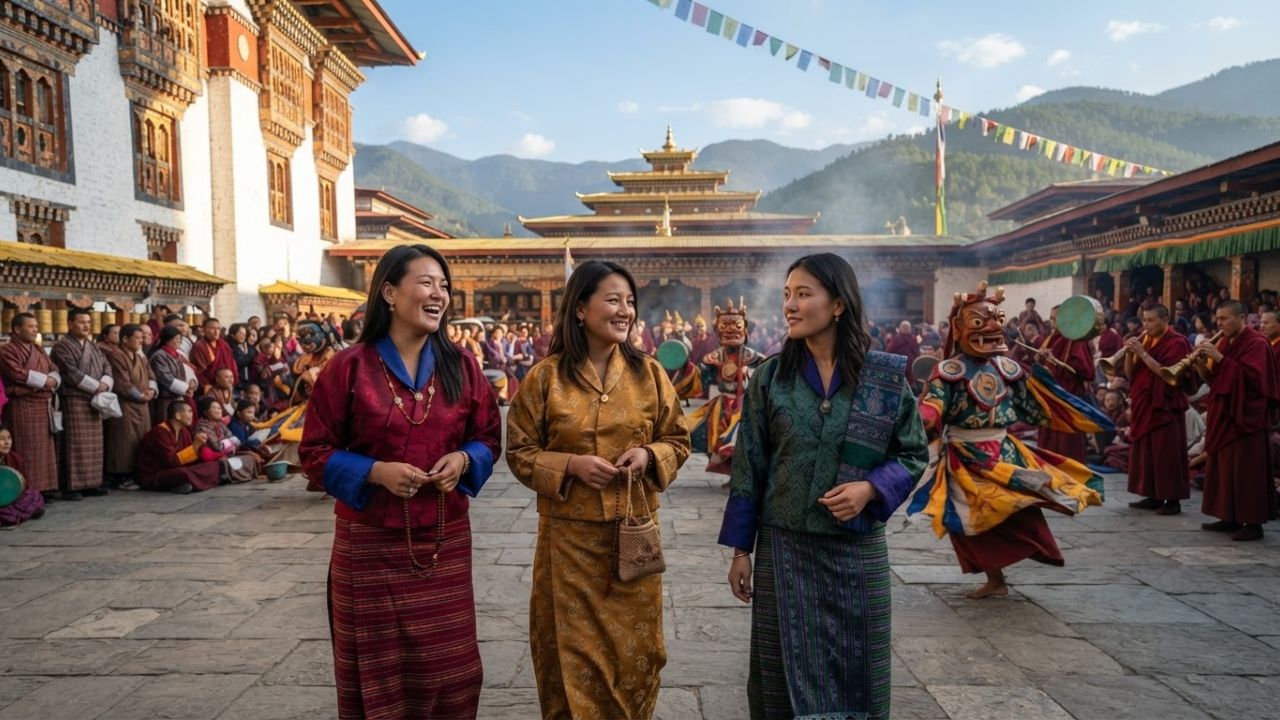
Image generated by AI
Bhutan recorded 209,376 international arrivals in 2025, representing a significant 44.33% growth over the previous year. Driven by seasonal festivals in Thimphu and a statutory Sustainable Development Fee policy, the mountain kingdom is demonstrating the viability of low-impact, high-value tourism.
The Himalayan travel sector is recording steady growth as travelers prioritize destination preservation and authentic heritage experiences. By coordinating controlled entry fees and directing revenues into local community development, Bhutan continues to manage its natural scenery while attracting high-value holidaymakers.
This sustainable strategy is helping the nation preserve its cultural traditions while expanding economic opportunities across rural districts.
Transforming Himalayan Journeys and Strategic Development Fee Revenues
Bhutan's destination policy centers on the Sustainable Development Fee (SDF), a statutory tariff designed to fund conservation and heritage preservation. Official data compiled by the Department of Tourism of Bhutan confirms that SDF collections generated USD 43.31 Million (approximately Nu 3.95 Billion) during the 2025 calendar year, representing a 49.1% increase over the USD 29.35 Million collected in 2024.
This revenue expansion was supported by the arrival of 209,376 visitors in 2025, compared with 145,065 arrivals in 2024. This growth shows that global travelers are willing to invest in well-managed destinations that prioritize ecological and cultural protection.
Visitor Demographics: Regional Arrivals and Outbound Non-Regional Flows
Regional travelers originating from India represented 62% of overall footfall, totaling 130,299 visitors. Meanwhile, long-haul international guests from countries other than India expanded to comprise 38% to 40% of the total volume, arriving from 157 countries.
Following India, the top international source markets included the United States, China, Singapore, the United Kingdom, Malaysia, Bangladesh, Germany, Australia, and Thailand. The proportion of non-regional tourists rose to nearly 40% in 2025, compared with twenty-seven percent recorded prior to recent entry-policy updates, reflecting broader global interest in Himalayan cultural journeys.
Monastic Gatherings and the Black-Necked Crane Festival Spikes
Traditional monastic festivals serve as primary seasonal tourism drivers. Major religious events, including the Thimphu Tshechu, Paro Tshechu, and Punakha Tshechu, generate peak bookings for local guest houses and tour guides during the spring and autumn months.
In rural valleys like Phobjikha and Gangtey, localized events also attract significant visitor numbers. The annual Black-necked Crane Festival, supported by the Royal Society for Protection of Nature (RSPN) Bhutan, recorded approximately 600 international visitors alongside over 2,000 local participants, leading organizers to expand the event to a two-day schedule.
Similarly, the Manas Winter Festival in Zhemgang has helped distribute tourist flows to eastern and southern districts.
Border Processing Registries and Visa Channel Allocations
Border statistics show distinct transit patterns for regional and long-haul international visitors. During a representative month in December 2025:
- Phuentsholing: Processed 10,506 arrivals, serving as the primary overland entry point for regional travelers.
- Paro International Airport: Handled 7,861 arrivals, serving as the main aerial gateway for long-haul international arrivals.
- Secondary Points: Gelephu, Samdrup Jongkhar, and Nganglam managed specialized border traffic under the direction of the Bhutan Immigration Portal.
Registered domestic tour operators processed over 82,000 tourist visas and permits, representing 43% of overall travel documentation, while individual self-service digital portals handled approximately 3% of direct permits.
Development Master Plans and the Gelephu Mindfulness City
Bhutan's high-value model relies on a statutory USD 100 per night SDF fee for foreign tourists, representing a fifty percent discount implemented in late September 2023. This rate structure is scheduled to remain active through August 31, 2027, alongside the mandatory requirement to travel with a licensed local guide.
These indicators support long-range policies, including the Integrated Tourism Master Plan 2025–2034 and the 13th Five-Year Plan (2024–2028). Guided by the Gross National Happiness philosophy, policymakers aim for the travel sector to contribute 10% to 15% of national economic output by 2050.
Additionally, the construction of the Gelephu Mindfulness City will establish a regional center for wellness, spiritual tourism, and cultural events.
Local Visitor Guide and Bhutanese Travel Etiquette
To help you plan your journey and respect local cultural norms:
- Acclimatize in Paro: Paro sits at 2,200 meters above sea level. Spend your first 48 hours resting and hydrating before attempting high-altitude hikes.
- Dress Respectfully at Dzongs: When entering fortified administrative and monastic complexes, wear long-sleeved clothing. Short sleeves, shorts, and open shoes are not permitted inside sacred areas.
- Obey Photography Restrictions: You can photograph temple courtyards, but photography is strictly banned inside the inner sanctuaries of monasteries.
- Local Culinary Specialties:
- Ema Datshi: Sample the national dish of green chilies cooked in a local cheese sauce.
- Red Rice: Try this nutty-flavored, high-altitude grain served with stews and vegetable curries.
- Hire a Certified Guide: Ensure your tour operator allocates a guide certified by the Department of Tourism to guarantee accurate cultural interpretation.
Future Projections for Gross National Happiness and Sustainable Capacity Growth
The stability of Bhutan's tourism sector shows that controlled, high-value capacity management can finance environmental protection. By distributing visitors to outer valleys and preserving local customs, the kingdom provides a sustainable blueprint for eco-tourism destinations worldwide.
Over the coming years, the completion of infrastructure projects and the expansion of seasonal festivals will support visitor flow distribution. By maintaining its unique cultural identity, Bhutan secures its position as a distinctive, ecologically conscious destination for international travelers.
Related Travel Guides
Disclaimer
This article is for informational and educational purposes only. It does not constitute legal, financial, or professional advice. While we strive to provide accurate and up-to-date information, travel policies, regulations, and conditions change rapidly. Always verify information with official sources before making travel decisions. Nomad Lawyer makes no representations about the accuracy, reliability, completeness, or suitability of the information provided. Readers should consult qualified professionals for advice specific to their circumstances. The views expressed in this article are those of the author and do not necessarily reflect the views of Nomad Lawyer.
Kunal K Choudhary
Co-Founder & Contributor
A passionate traveller and tech enthusiast. Kunal contributes to the vision and growth of Nomad Lawyer, bringing fresh perspectives and driving the community forward.
Learn more about our team →