
The Best (and Worst) Times to Visit Vietnam, According to Experts, According To Reddit, Pinterest and quora in 2026

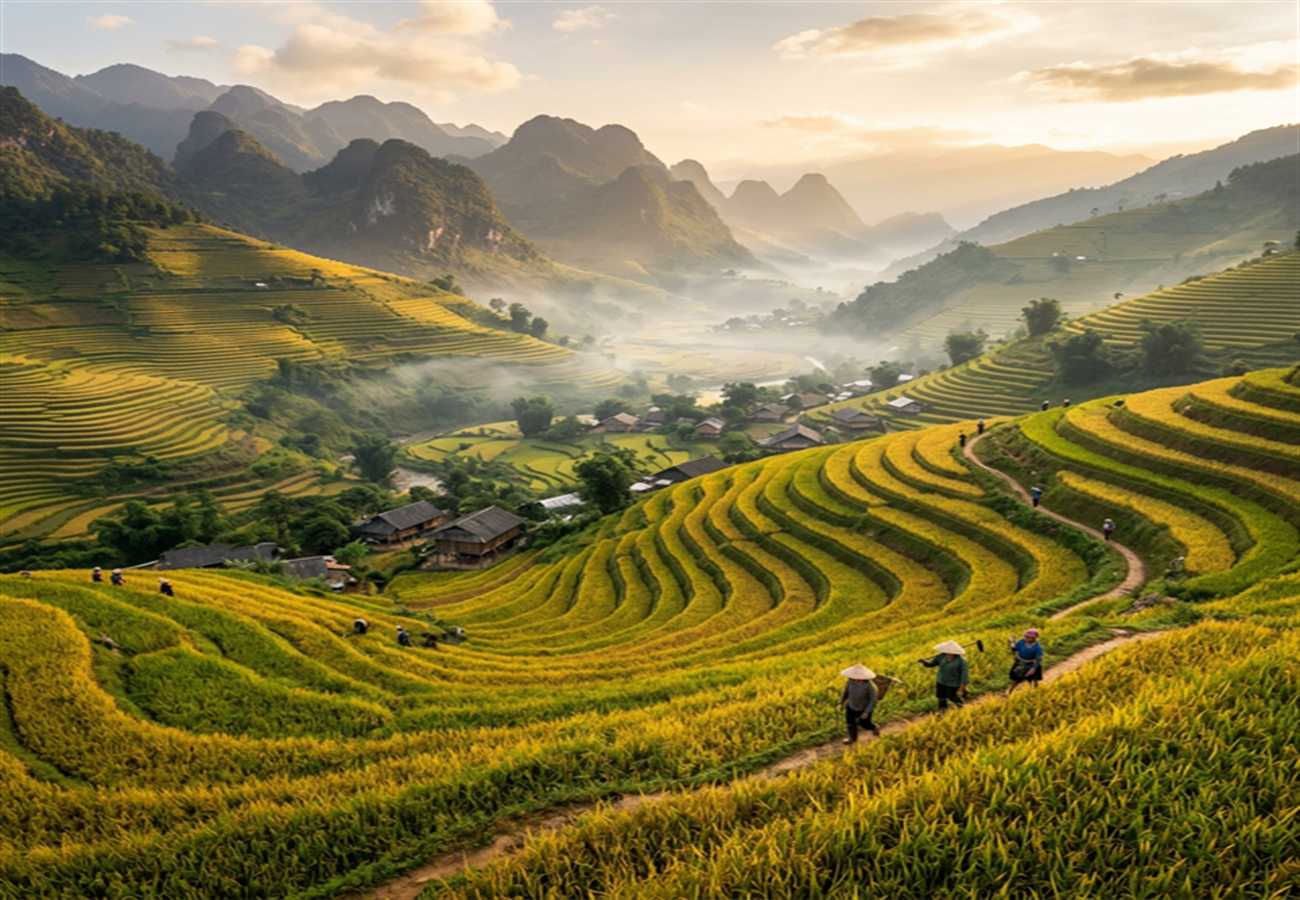
Image generated with AI
Vietnam is a country that defies a single weather report. Stretching over 1,000 miles from the borders of China to the Gulf of Thailand, it is a land of dramatic geographic diversity. You can find yourself shivering in the misty northern highlands of Sapa one day and basking in the tropical heat of the Mekong Delta the next. For travelers looking ahead to 2026, the question of "when to visit" is less about finding a perfect month and more about choosing the right region for the right season. As the nation continues to evolve as a global travel powerhouse, the consensus on platforms like Reddit, Quora, and Pinterest has shifted toward a more nuanced, region-specific strategy.
In 2026, the secret to a successful adventure isn't just about avoiding the rain; it's about navigating the unique cultural rhythms of the Tet Lunar New Year and the shifting patterns of the tropical monsoons. According to expert insights, the "Golden Window" that offers the best chance of good weather across the entire country is surprisingly narrow. To help you navigate this complex puzzle, we’ve synthesized thousands of local tips and traveler experiences into the definitive guide to timing your 2026 Vietnamese odyssey.
The Nationwide "Sweet Spot": March and April
If you have only one chance to visit Vietnam and want to see both the North and the South in relatively stable weather, there is a consensus among the "Viet-perts" on r/Vietnam: target March and April. This is the brief period where the spring humidity of the north starts to warm up, the central coast is dry and sunny, and the southern heat hasn't yet reached its peak "convection oven" levels.
Reddit: "March is consistently the winner for a cross-country trip. You get clear skies in Ha Long Bay, perfect trekking weather in Sapa (before the heavy rains make the trails slippery), and the central beaches like Hoi An are at their absolute most beautiful. It's the only time where you aren't gambling with a typhoon in the center or a cold snap in the north."
In 2026, this window is particularly attractive because it falls after the major Tet celebrations. Travelers on Quora highlight that by late March, the "pollen fog" of the northern spring has usually cleared, offering the best photography conditions for the iconic terraced rice fields.
Regional Deep Dive: Timing Your Destination
Because Vietnam has three distinct climate zones, your "best time" depends entirely on where you plan to land.
1. Northern Vietnam (Hanoi, Ha Long Bay, Sapa, Ha Giang)
The North is the only part of Vietnam that experiences four distinct seasons.
- Best Time: October to November (Autumn) or March to April (Spring). Autumn is arguably the best for the Ha Giang Loop, as the rice fields are golden and the air is crisp.
- Worst Time: January and February. While dry, it can be surprisingly cold and misty. If you’re heading to Sapa, you might even see frost or light snow. July and August are also challenging due to the peak rainy season and high humidity.
2. Central Vietnam (Hue, Da Nang, Hoi An, Nha Trang)
The central region has a weather pattern all its own, often experiencing its wettest months when the rest of the country is drying out.
- Best Time: February to August. This is the long dry season where the beaches of Da Nang and the historic streets of Hoi An shine.
- Worst Time: October to December (Monsoon/Typhoon Season). This is a primary warning on Pinterest and travel blogs. Central Vietnam is prone to flooding during these months, and typhoons can lead to flight cancellations and closed roads.
3. Southern Vietnam (Ho Chi Minh City, Mekong Delta, Phu Quoc)
The South is tropical and consistent, with temperatures staying warm (25°C - 35°C) year-round.
- Best Time: November to April (Dry Season). This is the time for island hopping in Phu Quoc and navigating the floating markets of the Mekong.
- Worst Time: June to August. The heart of the rainy season brings daily afternoon downpours. While they are often short, the humidity can be extremely oppressive for those not used to tropical climates.
The "Worst" Times: When to Reconsider
While "bad" weather is subjective, there are two specific periods in 2026 that experts suggest avoiding unless you have a specific reason to be there:
1. The Tet Lunar New Year (February 17, 2026)
In 2026, the Year of the Horse begins on February 17. While Tet is a beautiful cultural event, it is arguably the most difficult time for a casual tourist to visit.
- Closures: Almost all local shops, restaurants, and museums close for at least 3-5 days.
- Transportation Chaos: Every flight, train, and bus is booked months in advance as locals travel home to their families.
- Price Surges: Expect to pay a "Tet premium" (30-50% extra) on hotels and services. Pinterest Tip: "If you do visit during Tet, stay in a larger international hotel and aim for a beach destination like Phu Quoc where more services stay open. Avoid being in transit on the days immediately before or after the holiday."
2. Typhoon Season in the Central Region
From late September through November, the central coast is a gamble. While you might get lucky with a sunny week, the risk of a major storm is high. For travelers on a tight schedule, this can ruin a trip.
Hidden Gems for 2026: Avoiding the Crowds
As popular spots like Ha Long Bay and Hoi An become increasingly crowded, the 2026 trend on Reddit and Quora is toward the "authentically raw" experiences:
- The Ha Giang Loop: This is currently the "holy grail" for adventure travelers. A 3-4 day motorbike trip through the northernmost mountains offers scenery that makes Ha Long Bay look modest. Best visited in late September for the harvest.
- Phong Nha Caves: Home to the world's largest cave (Son Doong), this region is a paradise for outdoor enthusiasts. The "Dark Cave" and "Paradise Cave" are accessible to all and offer a refreshing escape from the heat.
- Quy Nhon: While Nha Trang has become a high-rise resort hub, Quy Nhon remains a quiet, local beach town with incredible street food and pristine coastline. It is the definition of a "hidden gem" for 2026.
- Ninh Binh: Often called "Ha Long Bay on Land," this region offers river boat trips through limestone karsts and rice paddies. It’s less crowded than its coastal cousin and offers a more tranquil experience.
Expert Travel Tips for Vietnam in 2026
- Download Grab: Forget traditional taxis. Grab is the standard for fair pricing in every major city. Use the bike option for solo trips.
- E-Visa Timing: In 2026, apply at least 3 weeks before your flight. Many travelers report delays, so don't leave it to the last minute.
- Street Food Strategy: Follow the crowds. If a stall is packed with locals, the food is fresh and safe.
- Money Management: Vietnam is cash-based outside of hotels. Carry Vietnamese Dong (VND) and use cards like Revolut to avoid ATM fees.
- The "Rainy Season" Hack: In the South, rain usually comes in short 1-hour bursts in the afternoon. Plan your indoor visits for that window.
- Stay Connected: Buy a local SIM card (Viettel) at the airport. It’s cheap and essential for using Grab and Maps.
Vietnam in 2026 remains one of the most rewarding destinations on the planet. By choosing the golden light of the northern autumn or the crisp, dry mornings of the central spring, you aren't just visiting a country; you are witnessing a culture in motion. Whether you are slurping Bun Cha on a Hanoi sidewalk or watching the sunset over the Mekong, the "best" time is simply the moment you decide to go.
The mountains are calling, the coffee is brewing—make 2026 the year you master the rhythm of Vietnam.
Related Travel Guides
The Best Times to Visit Finland for Outdoor Adventures and Northern Lights
When to Visit the Florida Keys for Sunshine, Deals, and Tranquility
The Best Times to Visit New York City for Lower Prices and Fewer Crowds
Disclaimer
This article is for informational and educational purposes only. It does not constitute legal, financial, or professional advice. While we strive to provide accurate and up-to-date information, travel policies, regulations, and conditions change rapidly. Always verify information with official sources before making travel decisions. Nomad Lawyer makes no representations about the accuracy, reliability, completeness, or suitability of the information provided. Readers should consult qualified professionals for advice specific to their circumstances. The views expressed in this article are those of the author and do not necessarily reflect the views of Nomad Lawyer.
Raushan Kumar
Founder & Lead Developer
Full-stack developer with 11+ years of experience and a passionate traveller. Raushan built Nomad Lawyer from the ground up with a vision to create the best travel and law experience on the web.
Learn more about our team →