
The Best Times to Visit Austria, According to Locals: 2026 Guide

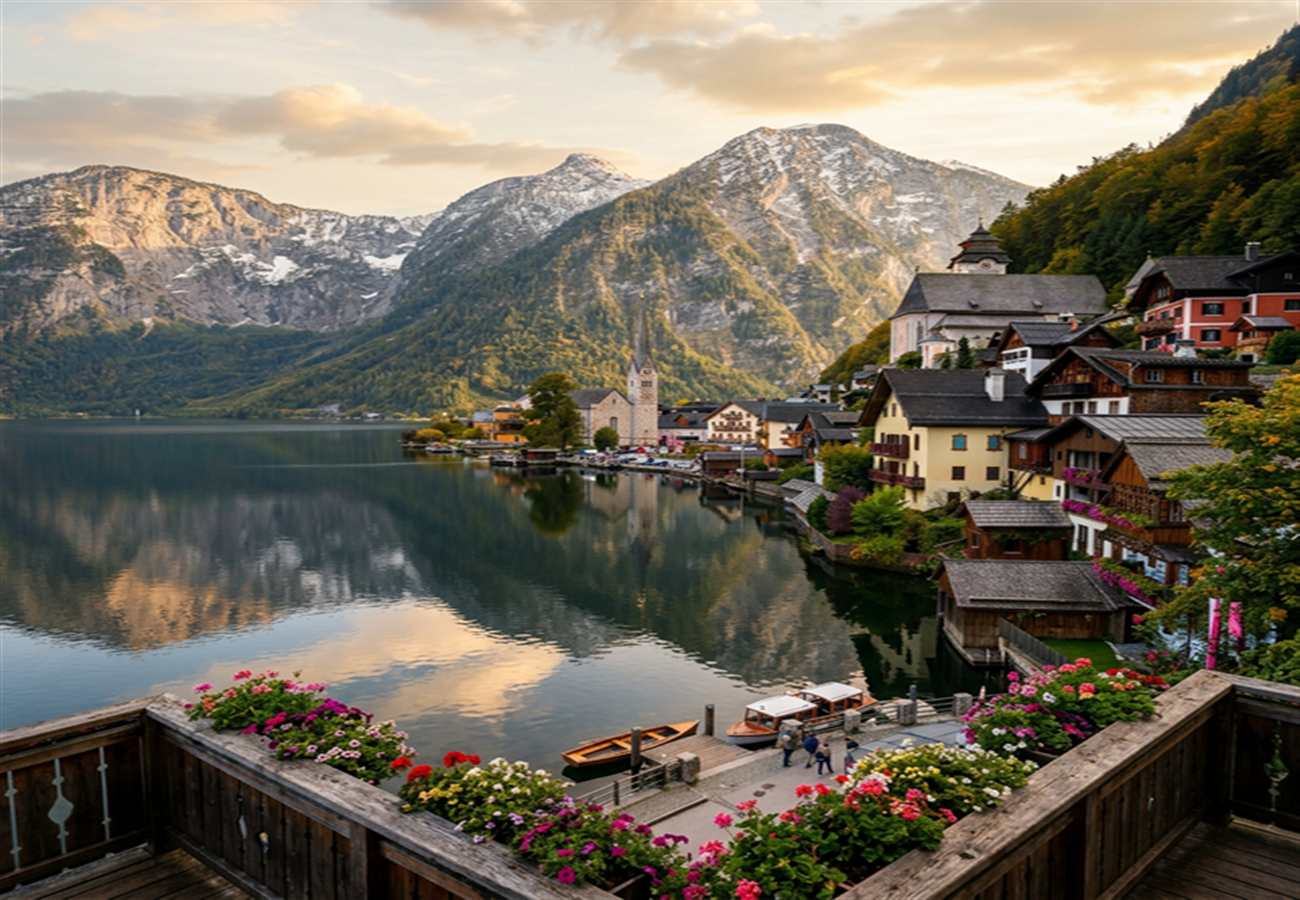
Image generated with AI
Austria is a country that seamlessly blends imperial grandeur with rugged alpine beauty. Whether you’re dreaming of waltzing in a Viennese ballroom, hiking through the turquoise-hued Salzkammergut region, or sipping Glühwein at a medieval Christmas market, timing is the difference between a good trip and a transformative one.
In 2026, Austria is set to be one of Europe’s most dynamic destinations. With major events like the Eurovision Song Contest returning to Vienna and the 80th anniversary of the Bregenz Festival, the 2026 calendar is packed. To help you plan like an insider, we’ve synthesized the latest "secret" advice from r/Austria, the frequent cultural critics on Quora, and the seasonal photography experts on Pinterest. Here is the definitive guide to the best times to visit Austria in 2026.
1. The "Sweet Spot" Seasons: May and September
If you ask a local when they actually travel within their own country, they will point to two specific months: May and September. These are the "shoulder" windows where the weather is a dream but the crowds are manageable.
May: The Spring Bloom and Eurovision Magic May in Austria is a technicolor dream. The meadows are carpeted in wildflowers, and the "Lake District" (Salzkammergut) begins its lush, green transition.
- The 2026 Event: Vienna will host the Eurovision Song Contest 2026 in mid-May (May 12–16). If you're a fan, this is the ultimate time to be in the capital. If you’re not a fan, be warned: hotel prices in Vienna will skyrocket during this week.
- The Vibe: Outdoor dining (Gastgarten) begins, and the air is crisp and clear.
September: The Local’s Favorite Many Reddit experts consider mid-September the single best time to visit Austria. The summer crowds (and the intense August heat) have dissipated, but the weather remains warm enough for swimming in the Carinthian lakes like Wörthersee.
- Harvest Festivals: September is the month of "Almabtrieb"—the traditional festival where cows are brought down from high alpine pastures, decorated in elaborate floral crowns.
- The Light: For Pinterest-style photography, the golden September light hitting the baroque spires of Salzburg is unbeatable.
2. Summer in the City vs. The Alps: June to August
Austrian summers are vibrant, but they require strategic planning.
The City Heat (July & August): Vienna and Salzburg can become incredibly hot and humid in late summer. Locals often flee the cities for the mountains.
- The Salzburg Festival: Running from July 18th to August 31st, 2026, this is the world's premier classical music and theater festival. It is a bucket-list event, but it makes Salzburg the most expensive and crowded place in Austria during this time.
- Local Tip (Quora): "If you're visiting Vienna in August, ensure your hotel has air conditioning. Many historic buildings don't, and the inner city can feel like an oven."
The Alpine Escape: While the cities sizzle, the Alps are perfection. August is the peak month for hiking the high-altitude trails.
- Hidden Gem: Instead of the overcrowded Hallstatt, head to Gosausee. Reddit users describe it as "the most beautiful place in Austria," with fewer crowds and spectacular reflections of the Dachstein glacier in the water.
3. Winter Wonders: The Festive Magic and The Ski Rush
Austria in winter is divided into two distinct parts: the Festive Season and the Deep Winter.
The Christmas Market Era (Late Nov to Dec 24): Austria invented the "Christmas Spirit." Markets in Vienna (starting around Nov 22, 2026) and the Old Town of Innsbruck are world-famous.
- Local Secret: Avoid the main market at Rathausplatz in Vienna on Saturday nights—it’s too crowded. Head to the Spittelberg Market for a more "village" feel within the city.
- The Sound of Music: Salzburg in December is magical, but be aware that many shops close on the afternoon of December 24th through the 26th.
The Ski Season (January to March): For 2026, the ski season will be in full swing. Regions like Tyrol (Innsbruck, St. Anton) and SalzburgerLand (Zell am See, Saalbach) are world-class.
- The "Kaisserwetter": February offers the most reliable snow and "Imperial Weather" (bright blue skies). However, avoid the Semesterferien (February school holidays), as ski lift lines become massive.
4. 2026 Cultural Highlights: Don't-Miss Dates
| Event | Date | Location |
|---|---|---|
| Vienna Philharmonic New Year's Concert | Jan 1, 2026 | Vienna |
| Mozart Week (270th Anniversary) | Jan 22–Feb 1, 2026 | Salzburg |
| Vienna Opera Ball | Feb 26, 2026 | Vienna |
| Eurovision Song Contest | May 12–16, 2026 | Vienna |
| Donauinselfest (Europe's largest free festival) | July 3–5, 2026 | Vienna |
| Salzburg Festival (2026 Season) | Late July–August | Salzburg |
| Wachau Valley Wine Harvest | late September | Krems/Dürnstein |
5. Budget Hacks and Local Logistics
The "Gemütlichkeit" Budget Guide: Austria is not cheap, but locals use these tricks to save:
- The "Mittagsmenü": Almost every restaurant offers a set 2-3 course lunch menu for a fraction of the dinner price. Look for chalkboards saying "Mittagsmenü."
- Public Transport: Skip the car in the cities. Austria's ÖBB train network is elite. For 2026, book Sparschiene tickets (discounted advance tickets) 3-4 months ahead.
- Tap Water: Austria has some of the best tap water in the world, sourced directly from alpine springs. Don't buy bottled water—just refill!
- The Summer Card: If staying in mountain regions like Zell am See or Kaprun, ensure your hotel provides the regional "Guest Card," which often includes free cable car rides and museum entry.
6. Regions to Explore in 2026
- For Imperial Grandeur: Vienna. Go in May for the gardens or late October for the cozy cafe culture.
- For Music Lovers: Salzburg. Visit in January for Mozart Week to see the city without the summer tour-bus crowds.
- For Pure Nature: The Salzkammergut. September is king here. The lakes are warm, and the hiking is at its peak.
- For Adventure: Innsbruck. A city surrounded by mountains. Incredible in both winter (skiing) and summer (mountain biking).
7. Essential Austrian Etiquette
- Cash is Still King: While cities are becoming more digital, many small traditional "Gasthof" restaurants and mountain huts still only accept cash. Always carry Euros.
- Punctuality: If a train is scheduled for 10:02, it departs at 10:02.
- Hiking Safety: Never hike in the Alps without checking the weather (Zamg.ac.at). Alpine storms move incredibly fast.
- Sunday Silence: Almost all supermarkets and shops are closed on Sundays in Austria. Plan your grocery shopping accordingly!
Final Thoughts for 2026
Austria is a country that rewards those who slow down. Whether you’re standing on the edge of the Traunsee lake in the mist of an October morning or watching the sunset over the Vienna skyline with a glass of local Grüner Veltliner, the magic is in the details.
By avoiding the "peak heat" of August and the "peak rush" of the February ski holidays, you can experience an Austria that feels authentic, welcoming, and timeless.
Prepare your hiking boots, dust off your formal wear, and let the Austrian spirit move you in 2026.
Related Travel Guides
- Seattle Ballard Link Rail Extension Faces 2042 Deadline Amid Billion-Dollar Funding Shortfall
- Tropical Storm Boris Pushes Inland Over Mexico as Cristina Threatens Central America With Catastrophic Flooding
- Kelowna and 7 Canadian Cities Deploy 125 Electric Buses by 2027: How Zero-Emission Transit is Reshaping Urban Travel
Disclaimer
This article is for informational and educational purposes only. It does not constitute legal, financial, or professional advice. While we strive to provide accurate and up-to-date information, travel policies, regulations, and conditions change rapidly. Always verify information with official sources before making travel decisions. Nomad Lawyer makes no representations about the accuracy, reliability, completeness, or suitability of the information provided. Readers should consult qualified professionals for advice specific to their circumstances. The views expressed in this article are those of the author and do not necessarily reflect the views of Nomad Lawyer.
Preeti Gunjan
Contributor & Community Manager
A passionate traveller and community builder. Preeti helps grow the Nomad Lawyer community, fostering engagement and bringing the reader experience to life.
Learn more about our team →