
Best Greek Islands to Visit in 2026: A Strategic Guide to Choosing Your Perfect Match
From the luxury of Mykonos to the authentic shores of Naxos, discover which Greek island fits your travel style, budget, and priorities for the 2026 season.

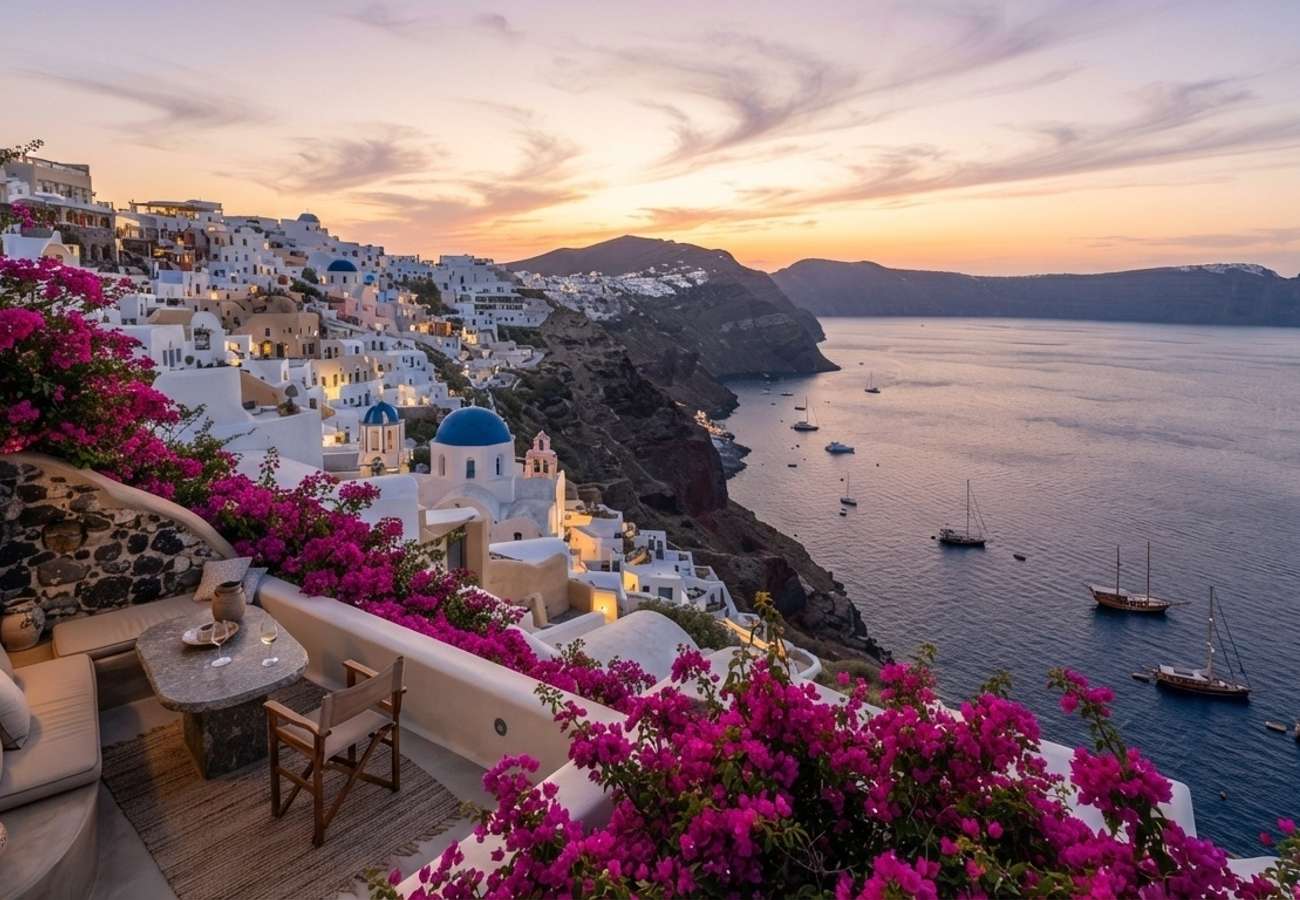
Image generated by AI
Selecting the right Greek island is no longer a simple choice between the "famous" spots and the "hidden" ones. With record visitor numbers in 2024 and 2025, the gap between luxury hubs and authentic retreats has widened, making strategic selection essential for your budget and sanity.
The Greek archipelago offers a diverse array of experiences, but the "one size fits all" beach holiday is obsolete. Modern travelers are increasingly opting for shoulder seasons—May, June, September, and October—to bypass peak summer pricing and overcrowding. Whether you are seeking the high-octane energy of a beach club or the silence of a car-free village, the decision comes down to matching your specific priorities with the island's current infrastructure.
Matching Your Travel Style to the Right Island
Choosing an island is essentially a decision matrix. The "Instagram-famous" destinations like Santorini and Mykonos provide world-class luxury and iconic views but come with a premium price tag and significant crowds. Conversely, islands like Naxos, Paros, and Milos offer higher "information gain" for the traveler—providing more authentic cultural experiences and better value for money.
For those planning longer stays of 10 to 14 days, larger islands such as Crete or Rhodes are superior choices due to their varied landscapes, deep history, and diverse culinary scenes. Smaller islands are better suited as short-term escapes or strategic additions to a multi-island itinerary.
Romance and Iconic Landscapes: Santorini, Milos, and Hydra
Santorini remains the global gold standard for honeymoons. The caldera villages of Oia, Imerovigli, and Fira offer breathtaking vistas and luxury cave suites. However, the cost is steep; mid-range caldera-view hotels in Imerovigli during June typically range from 350 to 500 euros per night. Travelers should note that beaches here, such as Perissa and Kamari, consist of volcanic black sand or pebbles rather than white sand.
Milos serves as a sophisticated, lower-key alternative. It is defined by dramatic geological formations, including the white cliffs of Sarakiniko and the sea caves of Kleftiko. For a more grounded experience, visitors can stay in "syrmata" (converted boathouses) in Klima. A full-day boat tour generally costs between 80 and 120 euros per person, while mid-range studios in Pollonia or Adamas typically fall between 120 and 200 euros.
Hydra offers a cinematic, slow-paced romance. Located just 90 minutes from Athens via fast ferry, the island bans cars, relying instead on donkeys and handcarts. While it lacks sandy beaches, its rocky swimming platforms like Spilia provide a high-end atmosphere. Boutique hotels here often start at 200 to 250 euros per night.
Nightlife and High-Energy Hubs: Mykonos, Ios, Kos, and Skiathos
Mykonos is the epicenter of luxury nightlife. From Paradise Beach to the winding streets of Mykonos Town, the scene is designed for big spenders. This luxury comes at a cost: cocktails often range from 16 to 20 euros, and beach club sunbed sets can exceed 80 euros for two loungers. Boutique hotels in peak season (July/August) frequently start above 400 euros per night.
For travelers on a tighter budget, Ios and Kos provide viable alternatives:
- Ios: A magnet for students and backpackers, particularly in Chora, where happy hour deals are common. Simple double rooms range from 80 to 120 euros.
- Kos: Offers a mix of resort strips and local tavernas, with all-inclusive packages that help groups manage their spending.
Skiathos provides a balanced middle ground. Its nightlife is concentrated in Skiathos Town, while its coastline features world-class sandy beaches like Koukounaries. It is more affordable than Mykonos and accessible via direct European flights.
Beach Quality and Family Value: Naxos, Paros, and Crete
When the priority is turquoise water and soft, shallow sand, Naxos is the premier choice. As the largest Cycladic island, its west coast—stretching from Agios Georgios to Plaka—is ideal for families due to the gentle slope of the shoreline.
Crete offers a different scale of utility. In the shoulder season, mid-range rooms in areas like Chania can be found for 130 to 200 euros, providing a base for both beach exploration and harbor-front bar hopping.
Strategic Cost and Logistics Comparison
Travelers must account for the volatility of transport costs. A high-speed ferry from Piraeus to Santorini in late July can cost upwards of 80 to 100 euros per person. To maximize value, it is recommended to limit an itinerary to two easily connected islands, such as Athens and Hydra or Santorini and Naxos.
Greek Island Comparison Matrix
| Island | Primary Appeal | Nightlife Level | Budget Tier | Key Feature |
|---|---|---|---|---|
| Santorini | Romance/Views | Moderate | High | Caldera Vistas |
| Mykonos | Luxury/Party | Very High | Very High | Beach Clubs |
| Milos | Nature/Adventure | Low | Mid | White Cliffs |
| Hydra | Quiet/Culture | Low | Mid-High | Car-Free |
| Naxos | Family/Beaches | Moderate | Mid | Shallow Sands |
| Ios | Youth/Party | High | Low-Mid | Backpacking Hub |
| Crete | History/Variety | Moderate | Mid | Diverse Landscapes |
| Skiathos | Nature/Beaches | Moderate | Mid | Pine-lined Shores |
| Kos | Resorts/History | Moderate | Mid | All-Inclusive Options |
Key Takeaways for 2026 Travelers
- Budget Strategy: Avoid Mykonos and Santorini in July/August if you are budget-conscious; shift to Naxos or Milos for better value.
- Romantic Choice: Choose Santorini for iconic photos, Milos for nature and intimacy, or Hydra for a timeless, slow-paced escape.
- Beach Priority: Naxos and Skiathos offer the best sandy beaches for families and relaxation.
- Logistics Tip: Limit island hopping to two locations to avoid excessive ferry costs (which can hit 100 euros per leg).
Frequently Asked Questions
Which island is best for first-timers? Santorini and Mykonos are the most famous, but Naxos is often recommended for those wanting a balanced mix of beaches, culture, and affordability.
When is the cheapest time to visit the Greek islands? The shoulder seasons (May, June, September, and October) offer the best balance of weather and pricing, avoiding the peak July/August surge.
Are the islands accessible for families? Yes, particularly Naxos and Crete, which offer shallow beaches and a wider range of family-oriented accommodations.
Finding the perfect island is less about the destination and more about the desired tempo of your journey.
Related Travel Guides
Disclaimer
This article is for informational and educational purposes only. It does not constitute legal, financial, or professional advice. While we strive to provide accurate and up-to-date information, travel policies, regulations, and conditions change rapidly. Always verify information with official sources before making travel decisions. Nomad Lawyer makes no representations about the accuracy, reliability, completeness, or suitability of the information provided. Readers should consult qualified professionals for advice specific to their circumstances. The views expressed in this article are those of the author and do not necessarily reflect the views of Nomad Lawyer.
Raushan Kumar
Founder & Lead Developer
Full-stack developer with 11+ years of experience and a passionate traveller. Raushan built Nomad Lawyer from the ground up with a vision to create the best travel and law experience on the web.
Learn more about our team →