
Beşiktaş to Taksim Transit Guide 2026: Best Routes, Funiculars, and Taxi Costs
A comprehensive analysis of transportation options between Beşiktaş and Taksim, including walking gradients, Istanbulkart requirements, and taxi fare expectations for 2026.

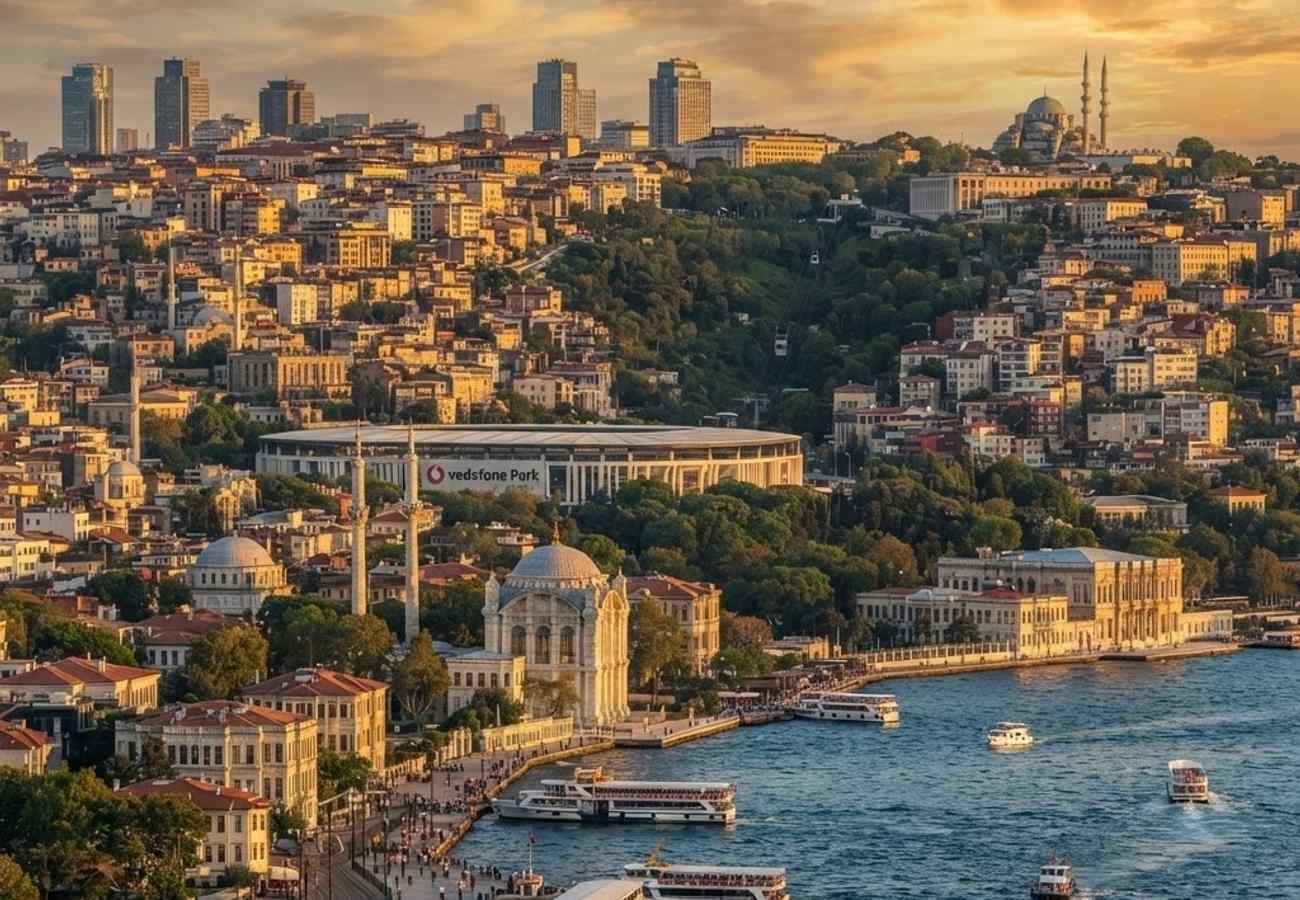
Image generated by AI
The 2 to 2.5 kilometer transit between Beşiktaş and Taksim is defined by a significant elevation gain from the Bosphorus waterfront to the city's central plateau. Depending on the mode of transport, travel time fluctuates from 7 minutes to over 35 minutes.
Route Analysis and Topography
The transit corridor from Beşiktaş Meydanı (Beşiktaş Square) to Taksim Square is deceptive. While the physical distance is short, the gradient increases sharply as you move inland. Beşiktaş operates at sea level, whereas Taksim serves as a high-altitude transport hub and the gateway to İstiklal Avenue.
The primary road route ascends past Vodafone Park stadium and the lower perimeter of Maçka Park, emerging at Gümüşsuyu. For those prioritizing scenery, the route via Dolmabahçe Palace offers waterfront views but requires a steeper climb toward the end.
Transit Time and Traffic Variables
Our analysis of local traffic patterns indicates the following estimated travel times:
- Taxi (Low Traffic): 7 to 10 minutes.
- Taxi (Rush Hour): 20+ minutes, particularly near the stadium and Dolmabahçe junctions.
- Walking: 25 to 35 minutes.
- F1 Funicular: Approximately 2 minutes (from Kabataş to Taksim).
Transport Mode Breakdown
Walking and Pedestrian Routes
Walking is viable for fit travelers and provides the best orientation of the district.
- The Waterfront Path: From Beşiktaş Square, head toward the coastal road (direction Kabataş). This flat section leads to the gates of Dolmabahçe Palace within 10 to 12 minutes.
- The Ascent: Upon exiting the palace area, travelers face a steep climb. The most direct path is Gümüşsuyu Caddesi.
- The Scenic Alternative: Routing through Maçka Park utilizes pedestrian bridges and shaded paths to break up the incline, though it is less direct.
Pro Tip for Luggage: To avoid the steepest sections, walk the flat waterfront from Beşiktaş to Kabataş, then utilize the F1 funicular to ascend to Taksim.
Public Transport and the Istanbulkart
Beşiktaş is a primary İETT bus hub. Numerous lines serve Taksim, Şişli, and Mecidiyeköy.
- Requirements: All public transport requires an Istanbulkart. These are available at kiosks around Beşiktaş Square and can be topped up at yellow or blue automated machines.
- Routing: Look for electronic signage indicating Taksim, Gümüşsuyu, or Harbiye.
- The F1 Funicular: This underground link connects the seafront (Kabataş) to Taksim Square in 2 minutes. It is the most efficient way to bypass the uphill climb.
Taxi and Ride-Hailing Services
Taxis are recommended for those with heavy luggage or mobility constraints.
- Pricing: As of early 2025, the opening fare is just over 40 Turkish lira. Due to the short distance, most trips will fall near the citywide minimum fare.
- Digital Options: To avoid meter disputes or fixed-price scams, use BiTaksi or Uber (which operates with licensed yellow taxis). These apps provide fare estimates and digital records.
- Verification: If hailing a taxi on the street, confirm the meter is reset and running immediately upon departure.
Passenger Rights & Transit Advisory
For the traveler navigating Istanbul's transit system, understanding the local operational norms is essential to avoid overcharging and delays.
Our analysis of the transit framework suggests the following for passengers:
- Fare Disputes: If a driver refuses to use the meter, you are not obligated to pay a "fixed price." Report the taxi plate number to the municipality if a dispute occurs.
- Rush Hour Strategy: Avoid the Beşiktaş-Taksim corridor between 16:00 and 19:00 on weekdays. Traffic congestion near Vodafone Park can triple the travel time and increase the metered fare.
- Luggage Handling: Be aware that some smaller buses may be overcrowded during peak hours. If carrying large suitcases, the F1 Funicular or a ride-hailing app is the only reliable option for comfort and space.
The Beşiktaş-Taksim corridor represents a microcosm of Istanbul's urban challenge: managing high-density transit across steep topography. The reliance on the F1 Funicular as a "pressure valve" for the Gümüşsuyu climb is critical. As the city continues to integrate digital payment and ride-hailing, the friction of "meter disputes" is decreasing, but the physical congestion remains a systemic issue tied to the city's stadium and palace landmarks.
Efficient transit in this zone requires a hybrid approach—combining the flat waterfront walk with mechanical ascent.
Related Travel Guides
Disclaimer
This article is for informational and educational purposes only. It does not constitute legal, financial, or professional advice. While we strive to provide accurate and up-to-date information, travel policies, regulations, and conditions change rapidly. Always verify information with official sources before making travel decisions. Nomad Lawyer makes no representations about the accuracy, reliability, completeness, or suitability of the information provided. Readers should consult qualified professionals for advice specific to their circumstances. The views expressed in this article are those of the author and do not necessarily reflect the views of Nomad Lawyer.
Preeti Gunjan
Contributor & Community Manager
A passionate traveller and community builder. Preeti helps grow the Nomad Lawyer community, fostering engagement and bringing the reader experience to life.
Learn more about our team →