
Belize Expands Nature and Community Tourism Beyond Its Caribbean Cayes

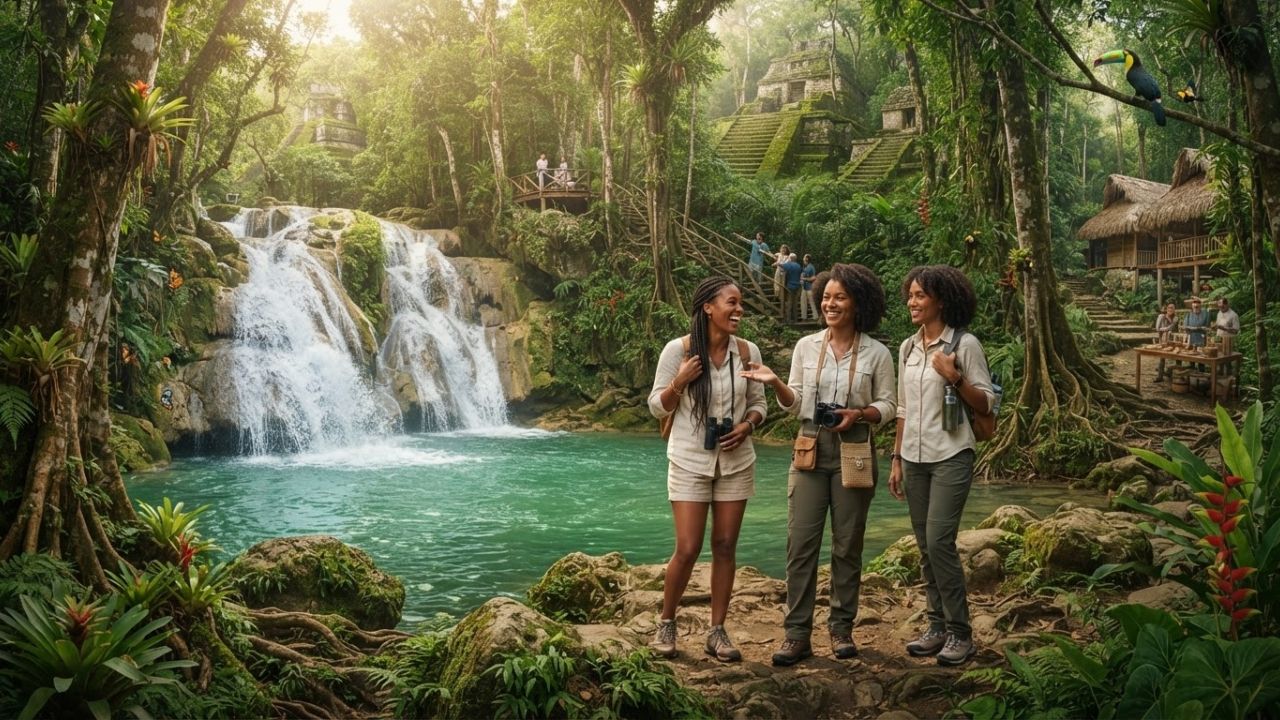
Stepping beyond its renowned turquoise barrier reef and Caribbean cayes, Belize is driving a major inland tourism expansion across the Maya Forest Corridor, Mountain Pine Ridge, and the Toledo District. Backed by the National Sustainable Tourism Master Plan through 2030 and more than US$1.1 million in community grants, the country is transforming ancient Maya archaeological sites, subterranean cave systems, and indigenous villages into world-class conservation hubs.
While travelers historically gravitated almost exclusively to Ambergris Caye, Caye Caulker, and coastal diving at the Great Blue Hole, Belize's tourism strategy is pivoting purposefully toward its interior. Guided by the updated National Sustainable Tourism Master Plan through 2030, the government has delineated seven distinct tourism destinations across the country, prioritizing environmental protection, rural heritage, and equitable local participation.
This balanced approach links the Caribbean coastline with dense tropical rainforests, rugged granite uplands, and intricate karst cave networks. By decentralizing visitor activity away from fragile marine sanctuaries, Belize is cultivating a multi-destination circuit where eco-conscious travelers directly support biodiversity preservation and indigenous community enterprises.
The Local Trend Revealed: Upgrading Inland Sanctuaries and Cultural Corridors
The expansion of Belize’s nature network has accelerated through targeted capital investments and grassroots enterprise funding:
- Tourism Enhancement in Protected Areas Program: In March 2026, the Belize Tourism Board (BTB) joined forces with the Protected Areas Conservation Trust (PACT) to launch this targeted initiative. The inaugural funding cohort finances vital conservation and visitor infrastructure executed by Belize Karst Habitat Conservation, the Turneffe Atoll Sustainability Association, and the Belize Audubon Society.
- Thousand Foot Falls Upgrade: A flagship component of the program focuses on the Thousand Foot Falls Tourism Enhancement Project within the Mountain Pine Ridge Forest Reserve. Upgrades encompass roadway stabilization, the installation of an off-grid solar power system, construction of a multipurpose visitor pavilion housing a café, gift shop, and micro-museum, and professional interpretive training for young local tour guides.
- Mountain Pine Ridge and Caracol: Situated in the Cayo District, this upland region combines pine forests, crystalline rivers, and subterranean caverns with the ancient Maya city of Caracol. Rather than visiting Caracol as a hurried day trip, travelers can now build multi-day itineraries combining hiking to Big Rock Falls with archaeological immersion beneath towering jungle canopies.
- Sustainable & Inclusive Belize Enterprise Grants: In June 2026, the Sustainable & Inclusive Belize initiative awarded its first cohort of 39 tourism entrepreneurs with collective funding exceeding US$1.1 million. The multi-year framework will deliver 150 individual micro-grants over two years, empowering local guesthouse operators, river guides, artisans, and culinary hosts.
- The Maya Forest Corridor: Serving as a biological bridge between the Maya Mountains and the northern Selva Maya, this corridor protects critical wildlife ranges for jaguars, tapirs, and hundreds of resident bird species, while introducing low-impact trekking and nocturnal nature photography.
| Conservation & Tourism Initiative | Administering Agency / Partner | Target Region | Core Project Scope & Investment |
|---|---|---|---|
| Tourism Enhancement in Protected Areas | BTB & Protected Areas Conservation Trust (PACT) | National Protected Areas System | Funding Belize Karst Habitat Conservation, Turneffe Atoll, & Audubon Society |
| Thousand Foot Falls Project | PACT & Community Partners | Mountain Pine Ridge, Cayo District | Road improvements, solar power, multipurpose café/museum, & youth guide training |
| Sustainable & Inclusive Belize Grants | Government of Belize & IDB | Nationwide (Rural Focus) | First cohort of 39 entrepreneurs funded (>US$1.1 million; 150 grants over 2 years) |
| Sustainable Tourism Program II | Ministry of Tourism & Diaspora Relations | Toledo District (Southern Belize) | Upgrades to natural attractions, rainforest trails, and Indigenous Maya cultural experiences |
| Master Plan Framework 2030 | Belize Tourism Board (BTB) | Seven Tourism Destinations | Balancing coastal attractions with interior cave, mountain, and archaeological circuits |
Cultural & Environmental Value: Direct Community Equity from Cayo to Toledo
The core philosophy of Belize’s inland push is ensuring tourism expenditures remain within rural communities. In the southern district of Toledo, long celebrated as the country's cultural frontier, Sustainable Tourism Program II has funneled resources into Maya community tourism.
Visitors venturing into Toledo engage directly with Q'eqchi' and Mopan Maya villages. Travelers can stay in community-run guesthouses in San Antonio or San Pedro Colombia, learn ancestral agroforestry practices at organic cacao farms, and participate in traditional bean-to-bar chocolate workshops. These initiatives safeguard centuries-old agricultural heritage while delivering independent income streams that protect communal forests from agricultural clearing.
Subterranean tourism provides an equally profound cultural bridge. Belize's limestone karst topography contains sacred cave networks that the ancient Maya revered as Xibalba, the underworld. Certified local cave guides interpret ancient pottery sherds, ceremonial altars, and calcified skeletal remains embedded in limestone chambers, cultivating deep respect for archaeological preservation among visitors.
Visitor Insider Tips: Navigating Belize's Inland Circuits
Experiencing the best of Belize’s interior requires thoughtful logistical preparation:
- Transport and Vehicle Selection in Cayo: If driving yourself into the Mountain Pine Ridge Forest Reserve and onward to Caracol, rent a high-clearance 4x4 vehicle. While paving projects have improved main arteries, interior access roads to Thousand Foot Falls and remote cave entrances remain rugged dirt tracks that require four-wheel drive, especially following tropical afternoon showers.
- Actun Tunichil Muknal (ATM) Cave Etiquette: When exploring sacred subterranean sites like the ATM Cave, strict archaeological preservation rules apply. Cameras, smartphones, and daypacks are banned to prevent accidental damage to calcified Maya artifacts. Wear quick-drying clothing and sturdy hiking shoes, and bring clean dry socks—certain ceremonial chambers require walking solely in socks to preserve calcium carbonate deposits.
- Combine Pine Ridge with Rainforest Rivers: Structure your Cayo District stay to balance high-energy hiking with natural relaxation. Spend mornings exploring the massive Caana pyramid at Caracol, then spend the afternoon cooling off in the granite cascades of Rio On Pools or swimming in the deep emerald pool below Big Rock Falls.
- Savor Indigenous Gastronomy in Toledo: When visiting Punta Gorda and surrounding Toledo villages, seek out traditional Garifuna and Maya culinary specialties. Taste hudut (a comforting coconut broth simmered with fresh catch and served with mashed green and ripe plantains) and traditional handmade corn tortillas served with locally grown cacao tea.
- Timing Your Visit: The optimal window for exploring Belize's interior runs from November through May during the dry season. River levels inside caves remain stable, forest hiking trails are firm, and wildlife viewing along the Maya Forest Corridor is at its peak.
Tourism Outlook: A Balanced, Multi-Ecosystem Destination
Belize’s strategic transition toward an integrated nature and heritage circuit addresses global demands for meaningful, regenerative travel. By establishing infrastructure that connects the barrier reef with mountain pine forests, subterranean caverns, and living Maya communities, the country shields itself against the environmental and economic hazards of coastal overtourism.
With over US$1.1 million already injected into community-led tourism ventures and comprehensive infrastructure upgrades underway at key protected sites like Thousand Foot Falls, Belize is proving that world-class conservation and thriving rural economies can reinforce one another. For international visitors, the true essence of Belize is no longer found solely at the ocean's edge, but deep within the living heart of its forests and ancient heritage.
Related Travel Guides
Disclaimer
This article is for informational and educational purposes only. It does not constitute legal, financial, or professional advice. While we strive to provide accurate and up-to-date information, travel policies, regulations, and conditions change rapidly. Always verify information with official sources before making travel decisions. Nomad Lawyer makes no representations about the accuracy, reliability, completeness, or suitability of the information provided. Readers should consult qualified professionals for advice specific to their circumstances. The views expressed in this article are those of the author and do not necessarily reflect the views of Nomad Lawyer.
Raushan Kumar
Founder & Lead Developer
Full-stack developer with 11+ years of experience and a passionate traveller. Raushan built Nomad Lawyer from the ground up with a vision to create the best travel and law experience on the web.
Learn more about our team →