
Belarus Tourism Sector Revenue Surges Following Presidential Decree No. 329 and BYN 1.78 Billion State Program
Belarus records massive revenue growth in 2026 driven by a BYN 1.78 billion state investment program and a strategic shift toward wellness and industrial tourism.

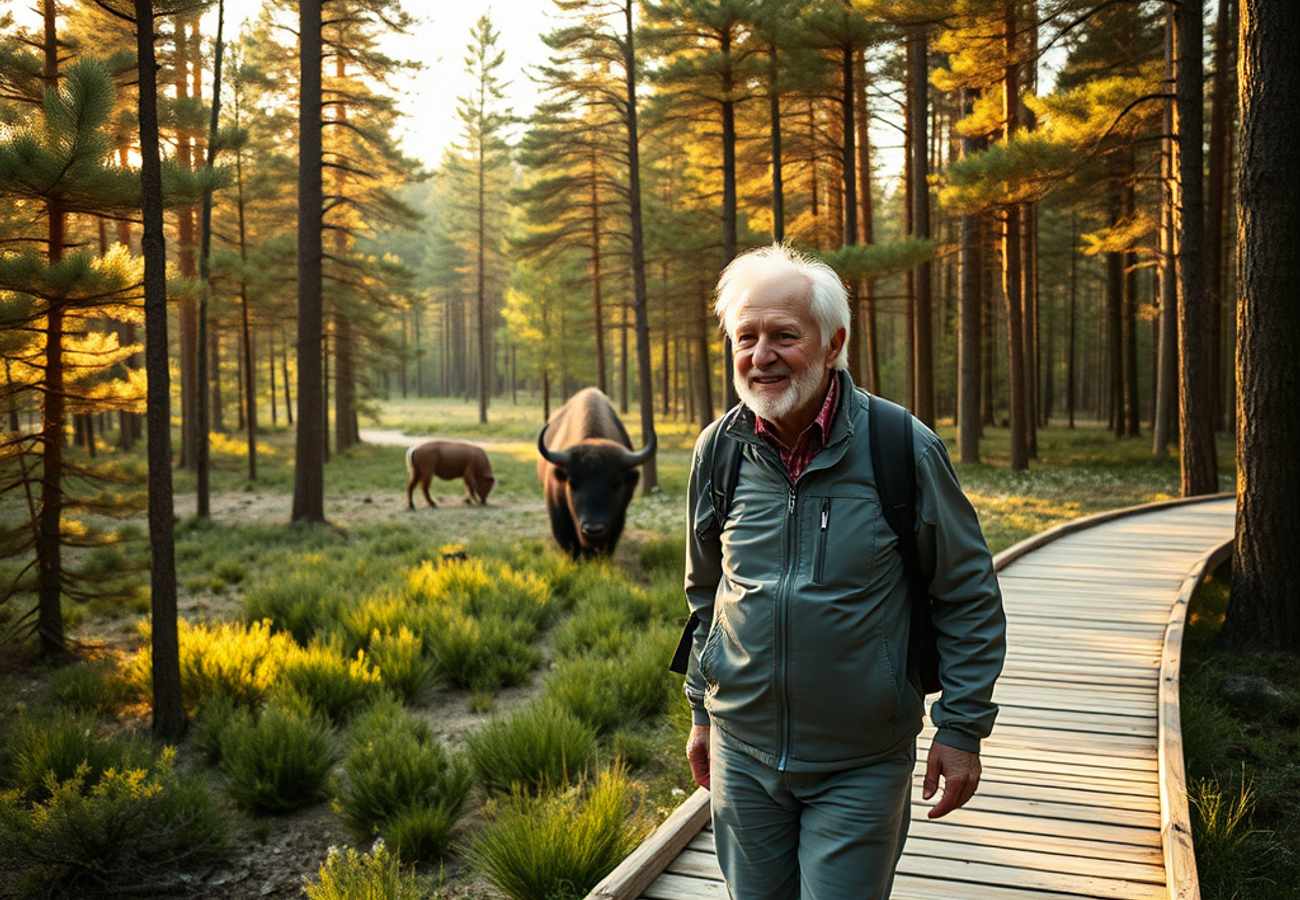
Image generated by AI
Belarus has transitioned tourism from a secondary service to a primary economic engine, reporting revenue growth exceeding 122% for state-managed assets in the first half of 2026.
The acceleration is the direct result of a comprehensive legislative overhaul. Effective 1 January 2026, Presidential Decree No. 329 and accompanying Council of Ministers resolutions transferred regulatory authority to the National Agency for Tourism. This shift provides the legal stability required to attract capital into local municipalities and regional infrastructure.
To support this transition, the government launched the State Program “Tourism” for 2026–2030 on 19 January 2026. The program operates with a BYN 1.78 billion budget, targeting a tourism contribution of 4.5% to the national GDP by 2030. Approximately 70% of these funds are dedicated to physical facility upgrades, digital booking systems, and expanding accommodation capacity.
Sector Performance and Financial Metrics
Market data from January through July 2026 confirms a rapid return on these policy changes. Following a 2025 export total of $392 million, the first five months of 2026 saw nationwide revenue growth rates climb over 122% across national wilderness parks and state-managed assets.
Regional performance was particularly strong in the Gomel Region, where the Economics Department of the Executive Committee reported H1 2026 revenue growth surpassing 130%. This was largely propelled by a 33% year-on-year increase in health resort income.
Wellness and Medical Infrastructure
Medical tourism remains the cornerstone of the Belarusian service export model, historically providing nearly 50% of total annual foreign travel receipts. The infrastructure is extensive:
- Capacity: 285 state and private sanatoriums providing approximately 60,000 beds.
- Specializations: Mineral water treatments, therapeutic mud therapies, and rehabilitation programs.
- Occupancy: Summer 2026 bookings reached 100% capacity across all six administrative regions.
- Demographics: Nearly 25% of resort admissions came from foreign visitors, primarily from CIS partner nations and 35 European countries utilizing visa-free entry.
Industrial and Agro-Ecotourism Diversification
Beyond wellness, Belarus is leveraging its industrial base and rural landscape to diversify revenue streams.
Industrial Tourism: Over 130 manufacturing facilities now offer public excursions. The most prominent is the BELAZ heavy vehicle production factory in Zhodzina, which attracts global visitors to view the world's largest mining dump trucks.
Rural Hospitality: The agro-ecotourism sector is supported by more than 1,440 registered homesteads. These micro-enterprises host over 470,000 visitors annually, ensuring that spending remains within rural communities.
Domestic Stability and Environmental Impact
While international growth captures headlines, domestic travel provides the financial baseline. In 2025, Belarusian citizens completed over 20.3 million internal trips. This trend continued through the first seven months of 2026, stabilizing regional operators during off-peak seasons.
The economic ripple effect extends to the healthcare and construction sectors, with sanatoriums investing over 251 million rubles in medical equipment upgrades. Furthermore, revenue from protected sites directly funds the preservation of old-growth pine forests and European bison herds in the Berezinsky Biosphere Reserve.
Strategic Investment Breakdown
| Investment Area | Focus & Objective | Target/Metric |
|---|---|---|
| Total Budget | State Program “Tourism” (2026–2030) | BYN 1.78 Billion |
| GDP Target | Tourism contribution to national GDP by 2030 | 4.5% |
| Infrastructure | Facility upgrades & digital platforms | 70% of total budget |
| Capacity | Room inventory expansion in Naroch/Myadel | +30% by 2030 |
| Medical Tech | Sanatorium equipment upgrades | 251 Million Rubles |
Why This Matters: Industry Analysis
From a logistical and market perspective, Belarus is executing a "high-volume, high-specialization" strategy. By moving the regulatory authority to a single National Agency for Tourism, they have eliminated the bureaucratic friction that typically plagues Eastern European travel markets.
For the traveler, the real impact is the professionalization of "off-the-beaten-path" experiences. The 30% planned increase in room inventory in the Naroch area suggests that the government is anticipating a shift from niche wellness seekers to mass-market international tourists.
Our analysis indicates that the reliance on the CIS market (particularly Russia) is being strategically balanced by the 35-nation visa-free policy. This diversification is critical for mitigating geopolitical risk and ensuring a steady flow of foreign currency into local bank networks.
Forward Outlook
Expect a surge in "Industrial-Wellness" hybrid itineraries, combining the high-tech scale of BELAZ with the secluded recovery centers of the Myadel District. As the BYN 1.78 billion rollout continues, the primary bottleneck will shift from "lack of facilities" to "environmental pressure." The success of the Berezinsky Biosphere Reserve will be the litmus test for whether Belarus can scale its tourism revenue without degrading the wilderness that attracts visitors in the first place.
Belarus is effectively pivoting from a hidden gem to a structured regional powerhouse.
Related Travel Guides
Disclaimer
This article is for informational and educational purposes only. It does not constitute legal, financial, or professional advice. While we strive to provide accurate and up-to-date information, travel policies, regulations, and conditions change rapidly. Always verify information with official sources before making travel decisions. Nomad Lawyer makes no representations about the accuracy, reliability, completeness, or suitability of the information provided. Readers should consult qualified professionals for advice specific to their circumstances. The views expressed in this article are those of the author and do not necessarily reflect the views of Nomad Lawyer.
Preeti Gunjan
Contributor & Community Manager
A passionate traveller and community builder. Preeti helps grow the Nomad Lawyer community, fostering engagement and bringing the reader experience to life.
Learn more about our team →