
Beijing Tourism Surges as 240-Hour Visa-Free Travel Sparks Record Foreign Arrivals and Longer Global Stays in 2026
Image Beijing Tourism Positive changes in China’s international travel policies and procedures have increased Beijing’s international tourism in 2026

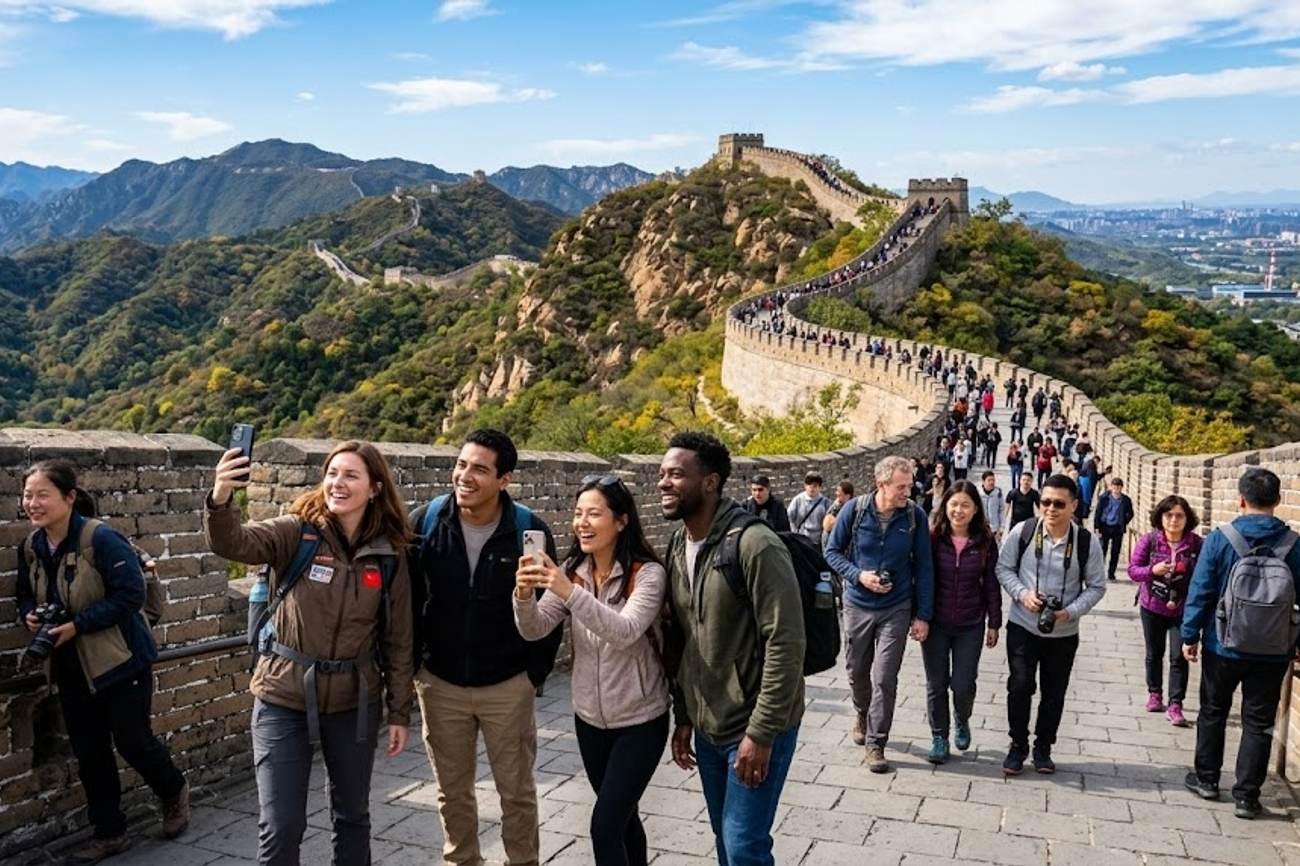
Image generated by AI
Image Beijing Tourism
Positive changes in China’s international travel policies and procedures have increased Beijing’s international tourism in 2026. More efficient border controls and alternative transportation and travel preferences of international visitors have also contributed to a record-breaking number of international visitors to Beijing in 2026. Compared to August 2026, the number of international visitors to Beijing in September increased by 22.4% to an average of 15,300 visitors a day. Additionally, the number of international visitors on September 7th broke the previous record for the most international visitors on a single day in 2026 with a total of 17,000 international visitors. International travelers have a wider variety of places to visit in Beijing and no longer just come to visit the “must see” places in Beijing.
There have been many changes in international travel to and from Beijing. International travelers have more flexible options and are able to create their own itineraries for longer stays. The 10-day, transit visa exemption policy has allowed more international travelers to experience and explore Beijing. As the policies continue to create more opportunities for international travel, urban exploration and adventure in Beijing will continue to grow.
Beijing Records Strong Inbound Tourism Growth as Global Demand Returns
Beijing’s international tourism recovery has moved into a strong growth phase in 2026, with millions of overseas visitors returning to experience the capital’s historic landmarks, business environment and cultural attractions. During the first eight months of 2026, Beijing recorded 4.488 million inbound tourists, representing a 33.5% year-on-year increase. The figures demonstrate continued momentum after the reopening of international travel markets and show that foreign demand for China’s capital is expanding beyond initial recovery trends.
The September figures further underline the strength of the rebound.
Tourism Indicator 2026 Performance Average daily foreign arrivals since September 15,300 visitors Increase compared with August daily average 22.4% Highest single-day arrivals More than 17,000 visitors Record date September 7, 2026 January–August inbound visitors 4.488 million Year-on-year growth 33.5%
The growth has been supported by leisure tourism, international education, business events, exhibitions and stronger global connectivity. September has also become an attractive travel period because international visitors can enjoy Beijing’s early autumn climate while avoiding the intense summer heat and major holiday crowds. This seasonal advantage has encouraged more travellers to plan longer stays in the city.
Beijing Tourism Surges as 240-Hour Visa-Free Travel Sparks Record Foreign Arrivals and Longer Global Stays in 2026. The new 240-hour visa-free travel policy has led to a significant increase in foreign arrivals, with many travelers taking advantage of the opportunity to explore the city without the hassle of obtaining a visa. For more information on the visa-free travel policy and its requirements, visitors can check the official website of the Ministry of Foreign Affairs of the People's Republic of China.
240-Hour Visa-Free Transit Policy Becomes Major Driver of Beijing Travel Growth
One of the biggest factors behind Beijing’s tourism acceleration is the expansion of China’s visa-free transit framework. The upgraded 240-hour visa-free transit policy has replaced shorter 72-hour and 144-hour arrangements, allowing eligible international visitors to remain in China for up to 10 days while travelling onwards to a third country or region. The programme has expanded significantly, covering 57 countries and allowing eligible travellers to enter through 65 authorised ports while travelling across 24 designated provinces and municipalities. For Beijing, the impact has been immediate. As of September 18, visitors arriving through visa-free programmes or temporary entry permits accounted for 70% of all foreign arrivals.
This represents a major change in how international travellers plan China trips. Previously, Beijing was often included as a short stop on wider Asian itineraries. The longer visa-free period now allows visitors to spend several days exploring the capital’s historical sites, cultural attractions, shopping areas and local communities. The policy has also strengthened Beijing’s role as an international gateway destination, encouraging travellers to combine business, leisure and cultural experiences within a single journey.
International Visitors Move From Classic Sightseeing Towards Slow Travel Experiences
A major trend emerging in Beijing’s tourism market is the rise of slow travel. International visitors are increasingly moving away from fast-paced itineraries that focus only on famous landmarks. Instead, many travellers are seeking deeper connections with local culture, neighbourhood life, cuisine and everyday experiences. The city’s world-famous attractions continue to remain essential. The Forbidden City, Great Wall and Temple of Heaven continue attracting global visitors due to their historical importance and cultural value. However, international tourists are increasingly adding modern urban destinations to their travel plans.
The surge in tourism has also led to an increase in passenger traffic at Beijing Capital International Airport, with many airlines operating additional flights to accommodate the growing demand. Travelers can check the Beijing Capital International Airport website for flight schedules, airport maps, and other travel information to help plan their trip. Additionally, airlines such as Air China are offering special promotions and discounts to attract more visitors to the city.
Popular emerging visitor experiences include:
New Travel Experience Visitor Attraction Liangma River Waterfront Riverside dining, evening walks and urban relaxation Chaoyang Park Green spaces and local leisure experiences China National Arts and Crafts Museum Traditional culture and creative industries Hutong neighbourhoods Local lifestyle and heritage exploration Contemporary districts Art, shopping and modern city experiences
This changing travel behaviour reflects the global growth of city exploration trends, where visitors want to understand how residents live rather than simply photograph famous landmarks. Beijing’s tourism planners are responding by developing wider destination experiences and encouraging visitors to explore beyond the traditional heritage corridor.
Business Events and Education Add Strength to Beijing’s Tourism Recovery
Leisure tourism is not the only factor supporting Beijing’s international visitor growth. The reopening of international university programmes has increased academic travel demand, while global conferences, exhibitions and business events have brought more international professionals to the city.
The longer stays and increased tourism have also provided a boost to the local economy, with many businesses benefiting from the surge in visitor numbers. For insights into Beijing's tourism industry and to plan their trip, visitors can check the Beijing Tourism website, which offers information on attractions, events, and travel tips. The website also provides a guide to the city's many cultural and historical landmarks, including the Forbidden City and the Great Wall of China.
Beijing remains one of China’s most important centres for business, technology, finance and research. The return of international meetings and exhibitions is helping strengthen year-round tourism demand. Business travellers also contribute significantly to tourism spending through accommodation, dining, transportation and extended leisure activities before or after professional commitments. This combination of business and leisure travel is creating a more balanced tourism ecosystem for Beijing.
Faster Border Clearance and Better Services Improve Visitor Experience
Alongside visa reforms, Beijing has introduced multiple improvements to make international travel smoother and more convenient. Border processing has become faster, with entry procedures largely completed within 30 minutes or less.
This improvement reduces arrival delays and creates a more efficient experience for international visitors entering the capital. Payment systems have also become more accessible. International travellers now benefit from improved payment options, including greater acceptance of overseas bank cards and easier digital payment access. Shopping facilities have expanded as well.
Beijing currently has:
More than 2,000 departure tax refund stores Over 60 locations offering immediate tax refunds at the point of sale Expanded digital and cash refund options for international visitors
These improvements are helping increase visitor confidence and encourage higher spending across retail, dining and cultural sectors. The city has also introduced English-language travel resources, including “Beijing’s New Discoveries” and “Beijing Must-Buy and Must-Eat” guides, helping overseas travellers find local experiences more easily.
Tourism Spending Growth Shows Higher-Value Visitor Trends
Beijing’s inbound tourism growth is also producing stronger economic benefits. In 2025, the city recorded 5.48 million inbound trips
FAQ: Beijing Tourism Surges as 240-Hour Visa- 2026
What is the 240-hour visa-free travel policy? Visa-free travel for 240 hours, or 10 days, for citizens of select countries.
Which countries are eligible for visa-free travel? Citizens of 53 countries, including the US, UK, and Canada, are eligible.
How do I apply for the 240-hour visa-free travel? No application is needed, simply present a valid passport and onward ticket.
What are the benefits of the 240-hour visa-free travel? Longer stays, increased flexibility, and a simplified travel process.
Related Travel Guides
- Hong Kong Stands with Taipei and Other Asian Cities in Hammering Japan Tourism with a Drop in Tourist Arrivals for Eight Consecutive Months in 2026
- Taiwan Launches NT$33.3B Tourism Drive with NT$8,000 Traveler Cash Incentives
- South Korea Overtakes Malaysia and All Other Asian Destinations in Witnessing Declining Interest in Thailand Beach Tourism from International Tourists in 2026
Disclaimer
This article is for informational and educational purposes only. It does not constitute legal, financial, or professional advice. While we strive to provide accurate and up-to-date information, travel policies, regulations, and conditions change rapidly. Always verify information with official sources before making travel decisions. Nomad Lawyer makes no representations about the accuracy, reliability, completeness, or suitability of the information provided. Readers should consult qualified professionals for advice specific to their circumstances. The views expressed in this article are those of the author and do not necessarily reflect the views of Nomad Lawyer.
Naina Thakur
Contributor & Travel Specialist
Travel enthusiast and legal writer covering visa regulations, responsible tourism, and cultural journeys across global destinations.
Learn more about our team →