
Beijing Deploys Strict Fine Dining Regulations to Shield Tourists From Severe Travel Chaos, Offering a Structured Refuge Amidst Surging Flight Cancellations and Airport Disruptions: Latest Tourism News
As Chinese aviation hubs suffer massive travel chaos, Beijing’s strict new luxury dining regulations offer tourists a highly structured, disruption-free culinary refuge.

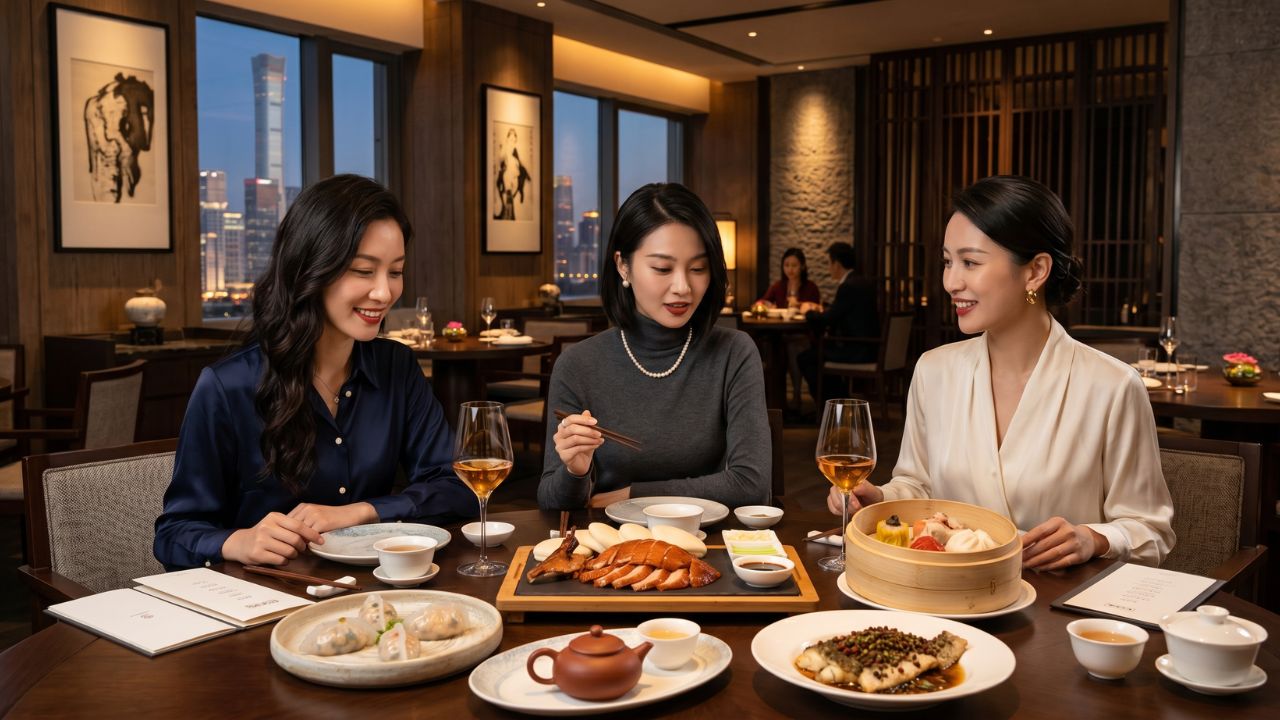
Image generated by AI
In a massive structural shift designed to protect international visitors from the devastating travel chaos and rolling flight cancellations currently paralyzing major Chinese transit hubs, Beijing has drastically overhauled its luxury tourism sector through strict new hospitality regulations. The widely debated Beijing official restaurant ban—initially designed as a discipline measure for public officials—is now indirectly functioning as a vital, highly structured refuge for global travelers. Because massive aviation gateways like Beijing Capital and Daxing are frequently buckling under severe airport disruptions and cascading delays, spontaneous travel within the city has become an absolute logistical nightmare. In response, Beijing's high-end dining scene, highlighted by iconic venues like King’s Joy, has completely eliminated walk-in flexibility in favor of militant, disruption-proof reservation systems. By enforcing highly organized guest flows, the capital is offering tourists a heavily armored, predictable culinary escape from the suffocating terminal gridlock, making this massive hospitality shift the premier headline in today's breaking airline news and absolutely vital global aviation updates.
By introducing direct passenger coordination and dynamic scheduling backups, the regional aviation hubs target growing passenger demand across vital commerce sectors. The choice to coordinate flight departures in phases helps to manage gate capacity, supporting the country's broader regional transportation network.
Context: Escaping the Aviation Gridlock Through Culinary Structure
For the millions of global tourists and corporate executives navigating Beijing this summer, the sheer unpredictability of Chinese airspace has destroyed the concept of spontaneous travel.
Historically, tourists arriving in Beijing would casually explore the city's rich food culture between sightseeing stops. Today, however, because the aviation network is constantly threatened by severe weather delays and airspace congestion, travelers are arriving at their hotels exhausted after surviving multi-day airport disruptions. If a traveler's flight is delayed by six hours, they cannot afford to risk being turned away from a premium restaurant upon arrival. The Beijing official restaurant ban inadvertently solves this crisis. By forcing upscale restaurants to operate with tighter systems, clearer booking rules, and a massive emphasis on controlled guest flow, the policy guarantees that if a tourist secures a reservation, that culinary experience is protected. This shift completely redefines luxury travel in Beijing; exclusivity is no longer just about price. It is about securing guaranteed access and precise timing in a city where rolling flight cancellations have made time the ultimate luxury commodity.
To view live flight schedules, verify the exact impact of Chinese airspace restrictions on your itinerary, or track active delay metrics, travelers must consult official aviation directories. For direct booking access into Beijing's highly structured culinary ecosystem, travelers should aggressively coordinate with their hotel concierge services weeks prior to arrival. To explore live flight tracking and monitor the exact severity of the regional bottlenecks causing the flight cancellations you must now actively plan your dining around, passengers can consult the official FlightAware tracking service.
Section-Wise Breakdown of the Structured Culinary Refuge
King’s Joy: The Ultimate Disruption-Free Sanctuary
In the absolute center of this changing landscape sits King’s Joy, Beijing’s most talked-about dining destination. Known globally for its refined vegetarian cuisine, it has become the ultimate symbol of modern luxury travel. When a traveler finally escapes the terminal gridlock, King's Joy offers a heavily protected, calm, minimalist setting. Visitors describe the experience as slow, intentional, and perfectly choreographed, featuring multi-course seasonal menus based on Chinese ingredients. The structured dining flow at King's Joy completely insulates guests from the chaotic, unpredictable reality of modern Chinese transit.
The Elimination of Walk-In Vulnerability
Travelers are noticing massive shifts in how hospitality operates. Restaurants still serve world-class food, but the experience is intensely choreographed. Reservations have become absolutely essential; there is essentially zero flexibility for walk-in dining at premium venues. This ensures that the restaurant operates at a perfectly controlled capacity, completely immune to the sudden surges of stranded passengers flooding out of the airports during massive flight cancellations.
The Rise of Guided Culinary Tourism
Because of these strict regulations, China culinary travel has transformed into a highly curated, almost guided cultural journey. Dining is no longer an afterthought; it is tied directly into sightseeing routes and hotel arrangements. This alignment between the tourism and hospitality sectors guarantees that high-end food becomes a meticulously planned highlight, heavily insulated against the cascading delays that plague the broader transportation network.
Technical Roster: Regulatory Shifts and Culinary Logistics
To ensure absolute factual accuracy regarding the specific shifts caused by the restaurant ban, the operational framework of King's Joy, and the precise travel chaos bottlenecks this strategy actively avoids, the following tables detail the exact integration data:
Structured Fine Dining Regulatory Shifts
| Dining Factor | Regulatory Impact and Tourist Experience |
|---|---|
| Reservation Status | Reservations have become absolutely essential rather than optional. |
| Walk-In Access | Limited to zero flexibility for walk-in dining at premium venues. |
| Service Pacing | Enforcement of highly structured seating times and choreographed service pacing. |
| Booking Channels | A massive, mandated focus on formal, verified booking channels. |
King's Joy Operational Framework
| Restaurant Feature | Culinary Tourism Benefit |
|---|---|
| Culinary Focus | Multi-course seasonal menus based strictly on Chinese ingredients. |
| Ambiance | Elegant, minimalist interior design providing a calm sanctuary from travel chaos. |
| Core Philosophy | A massive, uncompromising focus on sustainability and artistic presentation. |
| Guest Management | Highly structured dining flow rather than a casual, chaotic service style. |
Visitor Journey Regulations and Enforcements
| Rule Enforcement | Passenger Reality on the Ground |
|---|---|
| Concierge Coordination | Hotels and concierge services mandate and recommend early bookings weeks in advance. |
| System Restrictions | Restaurants enforce much stricter, inflexible reservation systems. |
| Venue Separation | Clear, heavily enforced separation between casual eateries and premium dining channels. |
| Schedule Rigidity | More predictable, highly organized, but significantly less flexible dining schedules. |
Chaos Bypass Logistics for Beijing Tourists
| Spontaneous Travel Risk | Structured Booking Solution |
|---|---|
| Post-Flight Uncertainty | Planning dining weeks in advance guarantees a meal regardless of flight delays. |
| Geographical Gridlock | Coordinating meals with sightseeing routes minimizes exposure to city traffic and transit failures. |
| Access Denial | Relying heavily on hotel staff for access guidance ensures entry into tightly controlled venues. |
| Unpredictable Quality | Experiencing fewer spontaneous dining decisions results in a guaranteed, highly curated culinary journey. |
Passenger Impact: The Necessity of Aggressive Planning
For the everyday global tourist and the high-yield corporate executive, the structural shift in Beijing’s dining scene is a massive, necessary psychological relief.
The immediate passenger impact is the absolute death of spontaneity, replaced by the safety of guaranteed access. Previously, passengers flying into Beijing might assume they could secure a premium table after navigating immigration. Today, knowing that their flight could be suddenly canceled due to severe weather or ATC restrictions, that assumption is a liability. By forcing tourists to plan their dining weeks in advance, coordinate with hotel staff, and lock in rigid seating times, Beijing's regulations actually reduce travel anxiety. When a passenger finally arrives after surviving the brutal travel chaos of the Asian aviation network, they know with absolute certainty that their highly curated, immersive storytelling experience at venues like King's Joy is waiting, perfectly preserved and completely orderly.
Industry Analysis: The Evolution of Experiential Luxury
Aviation and hospitality industry analysts view Beijing’s strict restaurant regulations as definitive proof that the concept of luxury is fundamentally evolving in the face of global transportation failures.
Analysts note that while the official restaurant ban is rooted in government discipline, its byproduct is a highly refined sense of exclusivity in public spaces. As airports become increasingly chaotic and airlines continually fail to manage peak passenger capacity, tourists are demanding that their ground experiences be flawless. The industry consensus is that Beijing has successfully transformed its upscale restaurants into heavily managed cultural venues. This alignment between tourism and hospitality ensures that even during peak-demand periods—when the airports are melting down—the premium dining sector remains calm, predictable, and highly lucrative.
Actionable Advice for Surviving Beijing Transit and Tourism
If you are planning a trip to Beijing during the volatile summer travel surges, you must execute this strategic planning checklist immediately to survive the impending travel chaos and secure your culinary itinerary:
- Book Restaurants Before You Book Flights: Because premium venues like King's Joy require reservations weeks in advance, secure your dining slots first. Only then should you book flights that arrive at least 24 hours prior to your reservation to absorb inevitable aviation delays.
- Aggressively Utilize Hotel Concierges: Do not attempt to navigate Beijing's formal booking channels independently. Immediately upon booking your hotel, email the concierge to secure access to venues enforcing strict reservation systems.
- Pad Your Arrival Timelines: If your flight lands at Beijing Capital (PEK) at 4:00 PM, do not book a 7:00 PM dinner. Massive airport disruptions, lengthy immigration queues, and brutal ground traffic guarantee you will miss your rigid seating time.
- Eliminate Spontaneous Itineraries: Completely abandon the idea of "wandering into" a luxury restaurant. Treat your dining experiences as fixed, immovable cultural tours and build your entire daily sightseeing route around those specific reservations.
FAQ: Beijing Dining Regulations & Travel Chaos 2026
How does the Beijing official restaurant ban affect tourists?
While aimed at officials, the ban has forced high-end restaurants to adopt militant reservation systems, structured seating, and zero walk-in flexibility, drastically changing how tourists plan their meals.
Why is this structured dining important during travel chaos?
Because flights into Beijing are frequently delayed or canceled due to severe airport disruptions, knowing your dining is rigidly secured weeks in advance provides a guaranteed, stress-free refuge upon arrival.
What is the dining experience like at King's Joy?
King’s Joy is the ultimate symbol of this curated culinary tourism, offering multi-course seasonal Chinese menus, a calm minimalist ambiance, and a highly structured, disruption-free dining flow.
The Supremacy of Structured Tourism
The massive transformation of Beijing's high-end dining scene proves definitively that aggressive, structural planning is the ultimate defense against systemic travel chaos. By enforcing rigid reservation systems and eliminating spontaneous walk-ins, Beijing's hospitality sector has provided travelers with a heavily armored, disruption-free culinary sanctuary. As archaic aviation networks desperately struggle to maintain their schedules—triggering rolling flight cancellations and severe airport disruptions that exhaust passengers—travelers must accept a critical new reality: avoiding brutal travel anxiety requires abandoning spontaneity and actively embracing highly curated, meticulously planned cultural journeys that respect the absolute value of guaranteed access.
Key Takeaways
- The Culinary Chaos Bypass: Beijing's strict dining regulations provide a highly structured, predictable refuge for tourists exhausted by severe travel chaos and flight cancellations.
- The Death of the Walk-In: Premium venues now enforce militant reservation requirements, structured seating times, and rely entirely on formal booking channels.
- King's Joy Sanctuary: Iconic venues like King's Joy offer an elegant, minimalist sanctuary featuring multi-course seasonal menus and an intensely choreographed service pace.
- Concierge Dependency: Travelers must now rely heavily on hotel staff to secure access to these exclusive, tightly integrated culinary venues weeks in advance.
- Passenger Survival: To survive the unpredictable Chinese aviation network, tourists must book their rigid dining reservations first, and aggressively pad their flight arrival times to avoid missing highly enforced seating schedules.
Related Travel Guides
Absolute Chaos Engulfs Guangzhou Airport with 485 Delays
Mexico Deploys Secret Coastal Paradises to Bypass Cancún Gridlock
Beijing Luxury Dining Hacks and Transit Strategies on Reddit
Disclaimer
This article is for informational and educational purposes only. It does not constitute legal, financial, or professional advice. While we strive to provide accurate and up-to-date information, travel policies, regulations, and conditions change rapidly. Always verify information with official sources before making travel decisions. Nomad Lawyer makes no representations about the accuracy, reliability, completeness, or suitability of the information provided. Readers should consult qualified professionals for advice specific to their circumstances. The views expressed in this article are those of the author and do not necessarily reflect the views of Nomad Lawyer.
Kunal K Choudhary
Co-Founder & Contributor
A passionate traveller and tech enthusiast. Kunal contributes to the vision and growth of Nomad Lawyer, bringing fresh perspectives and driving the community forward.
Learn more about our team →