
Bathroom Mistakes Tourists Should Avoid Making Worldwide
Toilet etiquette varies drastically across cultures in 2026. Digital nomads and travelers risk embarrassment and cultural offense without understanding regional bathroom practices and customs abroad.

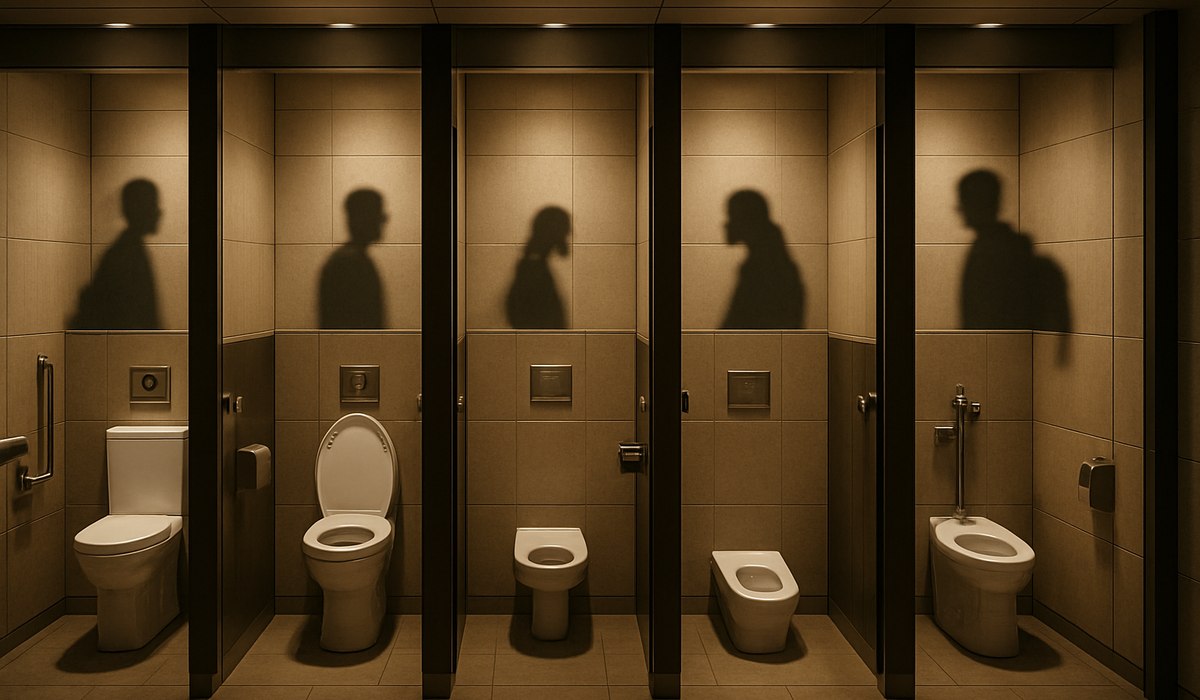
Image generated by AI
The Growing Challenge of Global Bathroom Etiquette
Bathroom mistakes tourists commit abroad continue escalating as travel rebounds in 2026. Remote workers, digital nomads, and leisure travelers increasingly find themselves caught off-guard by unfamiliar restroom customs across destinations. The embarrassment—and potential cultural offense—stemming from toilet missteps can sour entire trips. Understanding regional bathroom practices before departure separates seasoned travelers from those who learn painful lessons mid-journey.
Toilet Paper vs. Water: Understanding Regional Bathroom Practices
The fundamental divide in personal hygiene methods creates immediate confusion for international travelers. Western nations predominantly rely on toilet paper, while Southeast Asia, the Middle East, and parts of Africa traditionally use water-based cleansing via bidets or hand sprayers.
Thailand, Vietnam, and Indonesia frequently lack toilet paper entirely. Instead, small buckets or spray hoses accompany squat toilets. Visitors unfamiliar with these systems often waste time searching for paper before discovering the alternative method. Some modern hotels provide both options, yet traditional establishments strictly use water.
Middle Eastern countries incorporate bidets as standard fixtures. Bidets appear intimidating to first-time users unfamiliar with water pressure controls and positioning. Taking thirty seconds to observe the mechanism before use prevents mishaps and water-soaked clothing.
Japan represents a fascinating hybrid approach. High-tech toilet seats feature integrated bidets, heated seats, and air-dry functions. Buttons labeled entirely in Japanese confuse tourists accustomed to simple flush handles. Reading signage carefully or asking hotel staff for orientation prevents accidentally triggering unexpected water jets.
Understanding your destination's primary method before arrival eliminates anxiety and prevents offensive behavior like attempting to flush paper where plumbing cannot accommodate it.
Flushing Mechanics and Plumbing Differences Around the World
Plumbing infrastructure varies enormously between developed and developing nations. This reality demands critical awareness from travelers seeking to avoid backing up toilets and embarrassing situations.
Eastern European nations, parts of Latin America, and Mediterranean countries frequently prohibit flushing toilet paper. Signs reading "Paper in Basket Only" appear ubiquitously in Greece, Turkey, and Mexico. Ignoring these warnings clogs aging sewage systems. Placing used paper in receptacles beside toilets—regardless of personal discomfort—represents essential courtesy toward local infrastructure.
Some Asian destinations employ squat toilets with minimal flushing mechanisms. Footprint markers on either side indicate proper positioning. First-time users discovering these fixtures mid-crisis waste precious moments figuring out mechanics. French squat toilets differ slightly from Asian models, adding to international confusion.
Pressure-based systems in Scandinavia and Germany feature powerful flushes sometimes frightening to visitors from regions with gentler mechanisms. Conversely, water-conservation regions like Australia use minimal water per flush, requiring double-flushing for thorough results.
Beyond mechanics, never assume running water availability. Remote areas across Africa, South Asia, and rural Central America lack consistent water supply. Carrying portable sanitation supplies and hand sanitizer prevents health issues when handwashing becomes impossible.
Cultural Norms and Courtesy You Must Know Before You Go
Bathroom practices intertwine deeply with cultural and religious values worldwide. Respect demands understanding these connections before traveling.
Islamic cultures consider the left hand traditionally unclean for personal hygiene. Using the right hand exclusively when eating or greeting shows fundamental respect. Some Muslim-majority nations provide left-hand users accommodations, yet awareness prevents accidentally offending locals.
Hindu traditions incorporate ritual cleansing beyond practical hygiene. Public restroom etiquette in India emphasizes gender separation and modest behavior. Women travelers should expect limited privacy and plan accordingly with longer bathroom visits.
Japanese bathroom culture emphasizes silence and speed. Conversations in restroom stalls or during use are considered extraordinarily rude. Many Japanese travelers report shock at Western bathroom habits involving phone calls and extended socializing.
Scandinavian cultures maintain strict gender-separated facilities despite progressive attitudes elsewhere. Accidentally entering wrong-gender restrooms—an honest mistake—generates significant social disapproval.
Moroccan and other North African destinations typically feature gender-segregated public facilities. Tourist areas increasingly accommodate Western preferences, yet traditional medinas maintain strict separation. Respecting these boundaries demonstrates cultural sensitivity.
German restrooms often lack toilet seats—a practical solution to maintenance issues that shocks unprepared visitors. Understanding cultural reasoning behind unfamiliar practices prevents misinterpreting quirks as disrespect.
Common Mistakes That Can Offend Your Host Country
Specific behavioral errors trigger disproportionate offense across cultures.
Photographing bathroom facilities constitutes serious disrespect and illegality in most nations. Never photograph squat toilets, bidets, or any restroom setup for social media. This behavior exploits cultural differences and violates privacy fundamentally.
Complaining loudly about bathroom standards insults hosts who take pride in their infrastructure. Even genuinely substandard conditions deserve private, diplomatic discussion rather than public criticism.
Excessive perfume, cologne, or courtesy flushes after minor use waste water in water-scarce regions. Showing awareness of local conservation efforts demonstrates respect.
Assuming attendants prefer English creates barriers. Learning "bathroom," "toilet," or relevant currency denominations in local languages prevents frustration for both parties.
Refusing to use offered facilities due to cultural squeamishness, while understandable personally, can offend hosts who maintain clean spaces within their means. Accept hospitality graciously when safely possible.
Flushing feminine hygiene products anywhere except Australia, North America, and Northern Europe risks creating plumbing disasters. Dispose properly in provided receptacles.
Leaving bathroom areas in disarray—water splashing, paper scattered, items abandoned—signals disrespect. Quick tidying demonstrates gratitude.
Best Time to Visit: Planning Around Bathroom Accessibility
Seasonal variations affect bathroom availability and functionality worldwide.
Summer months bring water shortages in Mediterranean, Middle Eastern, and North African destinations. November through March typically offers better infrastructure functionality across these regions.
Monsoon seasons across Asia (May-September) sometimes compromise plumbing temporarily. Visiting outside these periods ensures more reliable facilities.
Rural areas develop better facilities during main tourist seasons. Traveling to remote destinations outside peak periods may mean encountering fewer bathroom amenities.
Mountain regions at higher elevations sometimes freeze or malfunction in winter. Spring and fall provide optimal conditions.
Festival seasons occasionally strain public bathroom infrastructure through visitor surges. Researching local calendars prevents arriving during festivals creating unsanitary conditions.
How to Get There: Transportation and Bathroom Access
Airport bathrooms in major international hubs maintain relatively consistent Western standards. However, regional airports and smaller destinations vary dramatically.
Long-haul flights necessitate strategic bathroom use. Dehydration-prevention balances with minimizing in-flight restroom visits. Airlines increasingly maintain basic sanitation, yet preflight research via official airline websites improves preparedness.
Ground transportation—buses, trains, taxis—offers vastly different bathroom access. Intercity buses across Southeast Asia and Africa sometimes lack onboard facilities. Planning bathroom breaks at rest stops becomes essential. Download maps indicating public restroom locations via Google Maps before departing accommodations.
Ride-sharing services like Uber operate in major cities, but drivers rarely discuss bathroom access during trips. Knowing your destination's location relative to public facilities prevents awkward mid-journey situations.
Accommodation selection dramatically impacts bathroom experiences. Booking through TripAdvisor with detailed restroom descriptions helps manage expectations. Luxury hotels universally maintain Western standards, while budget accommodations vary considerably by region.
Key Data: Global Bathroom Practice Variations
| Region | Primary Method | Common Issues | Best Practice |
|---|---|---|---|
| Southeast Asia | Water-based (buckets/sprayers) | Toilet paper disposal | Accept local methods gracefully |
| Middle East | Bidet-equipped toilets | Water pressure control | Request orientation from staff |
| Southern Europe | Paper in baskets | Aging plumbing systems | Follow posted signage |
| Japan | High-tech toilet seats | Button confusion | Ask hotel staff for demonstration |
| Sub- |
Disclaimer
This article is for informational and educational purposes only. It does not constitute legal, financial, or professional advice. While we strive to provide accurate and up-to-date information, travel policies, regulations, and conditions change rapidly. Always verify information with official sources before making travel decisions. Nomad Lawyer makes no representations about the accuracy, reliability, completeness, or suitability of the information provided. Readers should consult qualified professionals for advice specific to their circumstances. The views expressed in this article are those of the author and do not necessarily reflect the views of Nomad Lawyer.
Preeti Gunjan
Contributor & Community Manager
A passionate traveller and community builder. Preeti helps grow the Nomad Lawyer community, fostering engagement and bringing the reader experience to life.
Learn more about our team →