
Bangladesh and Philippines Open High-Level Talks for Direct Dhaka-Manila Flights

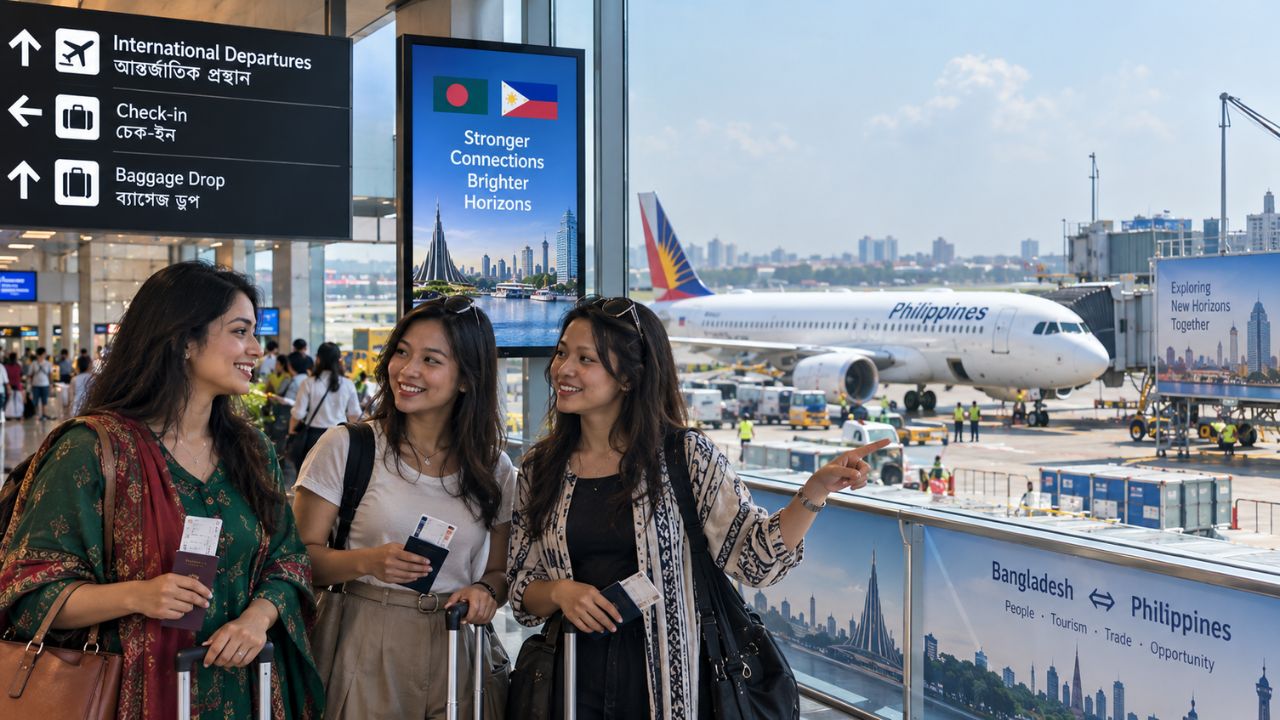
Diplomatic and aviation authorities in Bangladesh and the Philippines have initiated structured negotiations to launch non-stop flight routes connecting Dhaka and Manila. The proposed direct air links aim to eliminate lengthy third-country layovers, reduce travel times from over 12 hours down to five hours, and accelerate bilateral trade, cargo transport, and cultural tourism.
The initiative addresses a long-standing transit bottleneck between South and Southeast Asia. For decades, diplomatic relations between Dhaka and Manila have remained warm, yet passenger and commercial cargo flows have depended entirely on multi-stop itineraries via regional transit hubs such as Bangkok, Kuala Lumpur, or Singapore. The current bilateral talks mark a strategic shift toward establishing dedicated air corridors that directly link both growing economies.
The Local Trend Revealed: Ending Multi-Stop Regional Transit Delays
Under current aviation frameworks, travelers moving between Hazrat Shahjalal International Airport (DAC) in Dhaka and Ninoy Aquino International Airport (MNL) in Manila face total journey times ranging from 10 to 16 hours due to connecting layovers.
The establishment of non-stop air links promises transformative operational advantages:
- Drastic Travel Time Reductions: Direct flight routing between Dhaka and Manila covers the aerial distance in approximately 5 to 5.5 hours, shaving off up to 10 hours of transit friction.
- Streamlined Air Cargo Capabilities: Direct belly-hold and dedicated freighter space will expedite cross-border shipments of pharmaceuticals, ready-made garments, electronics components, and agricultural commodities.
- Modernized Bilateral Frameworks: The Civil Aviation Authority of Bangladesh (CAAB) and the Civil Aviation Authority of the Philippines (CAAP) are reviewing outmoded Air Service Agreements (ASA) to grant expanded 5th and 3rd/4th freedom traffic rights.
- Commercial Viability Assessments: National flag carriers and private low-cost airlines in both countries are conducting route-viability analyses, evaluating slot availability, seasonal seat load factors, and competitive pricing models.
By modernizing bilateral air traffic rights, aviation regulators are opening avenues for scheduled passenger services and specialized cargo charter operations, responding to rising demand from international workers, commercial delegations, and leisure travelers.
Cultural & Environmental Value: Expanding Cross-Regional Heritage Exchanges
Establishing direct flight connectivity bridges two culturally rich regions that have historically lacked direct tourism conduits. Travelers between South Asia and the Philippine archipelago will gain seamless access to diverse heritage landmarks, UNESCO World Heritage sites, and coastal attractions without the fatigue of connecting transfers.
Simultaneously, direct routing provides significant environmental advantages over multi-stop travel. By removing intermediate take-offs, landings, and circuitous stopovers through intermediary hub airports, non-stop flights significantly reduce overall per-passenger aviation fuel burn and greenhouse gas emissions.
Comparative Framework: Current vs. Proposed Transit Dynamics
| Operational Metric | Current Connecting Itineraries | Proposed Direct Flight Corridor |
|---|---|---|
| Typical Flight Routing | Multi-stop via Bangkok (BKK), Kuala Lumpur (KUL), or Singapore (SIN) | Non-stop between Dhaka (DAC) and Manila (MNL) |
| Average Journey Time | 10 to 16+ Hours (including layovers) | Approximately 5 to 5.5 Hours direct |
| Aviation Regulators | Multiple third-country aviation authorities | Joint oversight by CAAB and CAAP |
| Cargo Efficiency | Fragmented transshipments with customs re-handling | Direct point-to-point customs clearance |
| Environmental Profile | Higher cumulative emissions from multiple ascents and descents | Optimized direct great-circle routing with lower fuel burn |
| Market Segments Served | Leisure, corporate professionals, migrant workforce, and commercial traders | Enhanced tourism exchanges, trade delegations, and hospitality investments |
Direct connectivity is expected to stimulate bilateral investments in hotel infrastructure and eco-tourism ventures. Tourism boards from both countries are preparing targeted marketing campaigns, introducing Filipino travelers to Bangladesh’s tea plantations in Sylhet and the Sundarbans mangrove forests, while opening the Philippines' island eco-resorts to Bangladeshi holidaymakers.
Visitor Insider Tips: Traveling Between Dhaka and Manila
Travelers planning cross-border itineraries between Bangladesh and the Philippines should heed these essential logistic and cultural pointers:
- Seasonal Visit Windows:
- Visiting the Philippines: Schedule travel during the dry season from November to April for optimal beach and island-hopping conditions. Avoid the peak typhoon window between July and October when tropical storms can disrupt regional flights and ferry networks.
- Visiting Bangladesh: Plan visits during the cool, dry winter months from November to February, when temperatures range between 15°C and 25°C. Avoid the peak monsoon deluge from June through August when river travel can face seasonal advisories.
- Visa and Immigration Protocols: Ensure passports possess at least six months of remaining validity prior to departure. Bangladeshi passport holders traveling to the Philippines must apply for an entry visa or eVisa via the official Philippine Embassy portal before booking. Eligible Filipino tourists and business executives visiting Bangladesh can obtain on-arrival visas at Hazrat Shahjalal International Airport, provided they carry return tickets, hotel confirmations, and official business invitation letters.
- Dining Specialties & Halal Availability:
- In Manila: Muslim travelers can readily locate Halal-certified dining establishments across Ermita, Greenhills, and Bonifacio Global City (BGC). Sample iconic local treats such as kakanin (traditional coconut-rice cakes) and freshly shaved-ice halo-halo.
- In Dhaka: Savor Old Dhaka’s celebrated culinary specialties, including fragrant Kacchi Biryani cooked in seasoned copper cauldrons with spiced mutton and potatoes, accompanied by fresh borhani (savory yogurt drink) and clay-pot street tea (cha).
- Cultural Etiquette: In the Philippines, show respect to elders through the mano gesture (touching the elder's hand to one's forehead) or a gentle nod. In Bangladesh, dress modestly with shoulders and legs covered when exploring historical mosques, temples, and vibrant traditional bazaars, and accept food or drink using the right hand.
Tourism Outlook: Strengthening South and Southeast Asian Bonds
The diplomatic momentum between Dhaka and Manila reflects a broader trend of emerging market aviation integration across Asia. By moving past outdated regulatory inertia and prioritizing bilateral air corridors, both governments are establishing the infrastructure needed to support long-term economic growth, labor mobility, and cultural tourism.
As the Civil Aviation Authority of Bangladesh and the Civil Aviation Authority of the Philippines finalize regulatory reviews and route allocations, the anticipated launch of direct Dhaka-Manila flights will stand as a landmark development in Asian aviation diplomacy.
Related Travel Guides
Disclaimer
This article is for informational and educational purposes only. It does not constitute legal, financial, or professional advice. While we strive to provide accurate and up-to-date information, travel policies, regulations, and conditions change rapidly. Always verify information with official sources before making travel decisions. Nomad Lawyer makes no representations about the accuracy, reliability, completeness, or suitability of the information provided. Readers should consult qualified professionals for advice specific to their circumstances. The views expressed in this article are those of the author and do not necessarily reflect the views of Nomad Lawyer.
Raushan Kumar
Founder & Lead Developer
Full-stack developer with 11+ years of experience and a passionate traveller. Raushan built Nomad Lawyer from the ground up with a vision to create the best travel and law experience on the web.
Learn more about our team →