
Bangladesh Aviation Breakthrough: New York Route Plan Signals Global Travel Expansion
Bangladesh Aviation Breakthrough: New York Route Plan Signals Global Travel Expansion

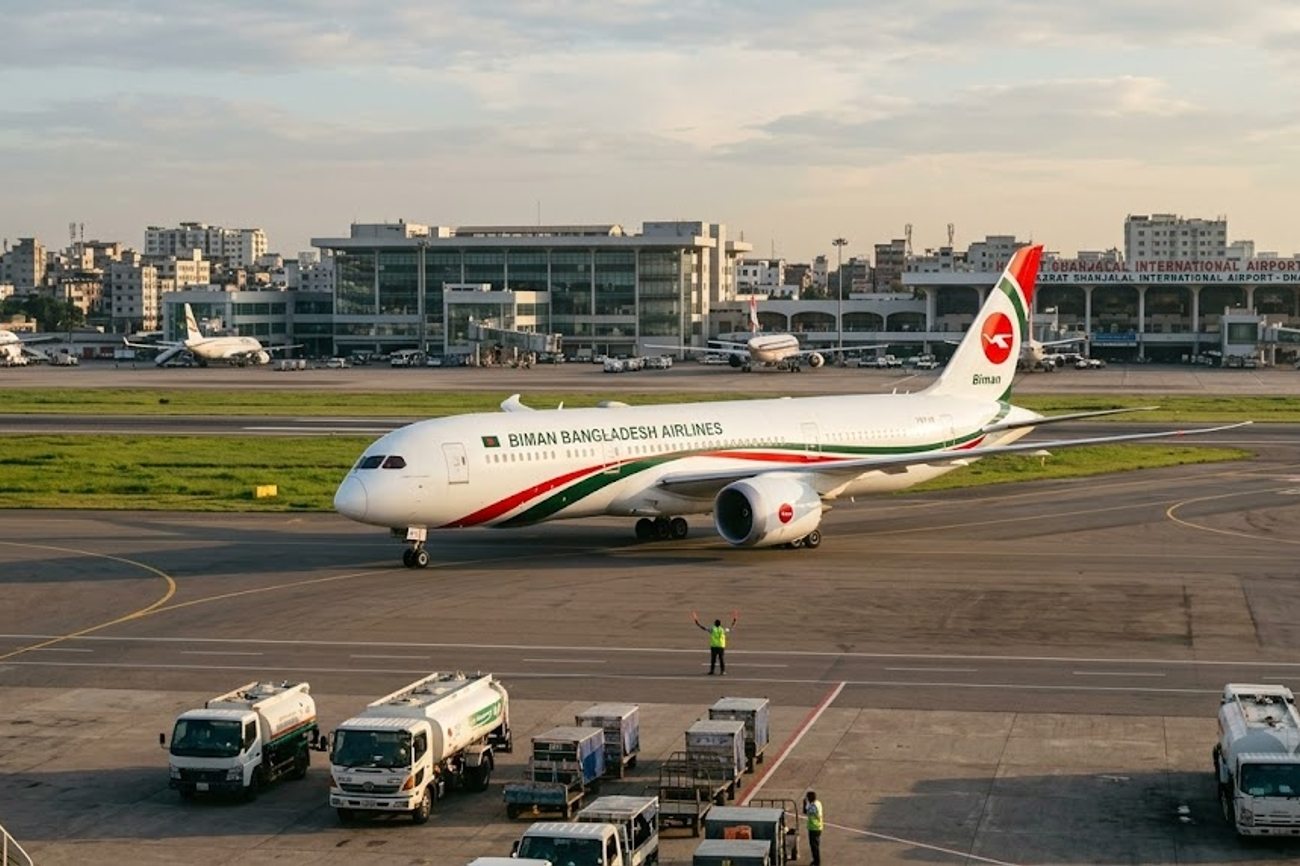
Image generated by AI
2027 is the target year for Bangladesh to establish a direct aviation corridor between Dhaka and New York City, a move that would fundamentally alter the transit dynamics between South Asia and North America. This strategic objective seeks to eliminate the current reliance on third-country hubs, replacing fragmented itineraries with a streamlined connection to New York’s John F. Kennedy International Airport. For the Bangladeshi government, this is not merely a matter of passenger convenience but a calculated effort to leverage its diaspora and economic ties to elevate its standing in the global aviation hierarchy.
The Regulatory Barrier: FAA Category 1 Status
The primary obstacle standing between Dhaka and New York is not aircraft availability or passenger demand, but regulatory compliance. To operate commercial flights into the United States, Bangladesh must secure Category 1 status under the Federal Aviation Administration (FAA) International Aviation Safety Assessment (IASA) program.
Category 1 status is a binary seal of approval. It confirms that a nation's civil aviation authority possesses the legal framework and oversight capabilities to ensure safety standards are met. Without this certification, any attempt to launch a direct service would be blocked by U.S. regulators. The timeline for the 2027 launch is therefore tethered to the pace of technical evaluations and safety improvements within Bangladesh's aviation oversight bodies. This means the goal is conditional; it is a regulatory target as much as it is a commercial one.
Fleet Expansion and Operational Capacity
To sustain a route of this magnitude, Biman Bangladesh Airlines is undergoing a significant fleet modernization program. Long-haul operations to the U.S. East Coast require aircraft with specific range, fuel efficiency, and reliability profiles to remain profitable.
The government has already moved to secure the necessary hardware through an agreement to acquire 14 Boeing aircraft. This procurement strategy focuses on two specific models:
- Boeing 787 Dreamliner: Essential for the Dhaka-New York leg due to its long-range capabilities and passenger comfort.
- Boeing 737 MAX: Intended to bolster regional connectivity and feeder networks.
| Aircraft Model | Primary Role in Expansion | Key Benefit for Long-Haul |
|---|---|---|
| Boeing 787 Dreamliner | Intercontinental Routes | Enhanced Range & Fuel Efficiency |
| Boeing 737 MAX | Regional/Short-Haul | Operational Flexibility |
The integration of these aircraft is designed to transform Biman from a regional player into a competitive international carrier capable of challenging the dominance of Middle Eastern hubs that currently capture the majority of Bangladesh-U.S. traffic.
Expert Analysis: The Geopolitics of the Hub-and-Spoke Model
For travelers currently booking routes between Dhaka and New York, the direct consequence of this plan is a looming shift in pricing power. For decades, the "hub-and-spoke" model—where passengers must transit through cities like Dubai, Doha, or Istanbul—has allowed Gulf carriers to dictate the pricing and timing of South Asia-North America travel. By introducing a direct flight, Bangladesh is attempting to "de-hub" its most valuable long-haul route.
The pricing pressure this creates means that if Biman Bangladesh Airlines successfully launches this service, the monopoly held by transit carriers will weaken. We can expect a period of aggressive competitive pricing as existing carriers attempt to protect their market share of the Bangladeshi diaspora.
Biman Bangladesh Airlines is strategically planning direct flights to New York to enhance connectivity between South Asia and North America. This expansion aims to streamline passenger logistics and reduce reliance on transit hubs, as detailed in the official flight schedules and services of Biman Bangladesh Airlines.
Furthermore, the timing of this expansion aligns with a broader effort to diversify Bangladesh's economic drivers. By easing the movement of executives and investors in the textiles, technology, and manufacturing sectors, the government is treating aviation as an infrastructure investment for Foreign Direct Investment (FDI). The route is less about "tourism" in the leisure sense and more about "economic mobility." For the business traveler, the removal of a connection point reduces the risk of luggage loss, missed flights, and total travel time, which are the primary deterrents for high-value corporate travel.
Key Takeaways
- Target Launch: Direct flights to JFK International Airport are projected for 2027.
- Regulatory Hurdle: Launch is contingent upon achieving FAA Category 1 safety status.
- Fleet Growth: Biman Bangladesh Airlines has signed for 14 Boeing aircraft, including 787 Dreamliners and 737 MAX models.
- Strategic Goal: The route aims to reduce dependence on third-country transit hubs and boost economic ties in textiles and technology.
- Tourism Impact: Improved access is intended to drive North American visitors toward sites like Cox’s Bazar and the Sundarbans.
FAQ: Dhaka-New York Flights 2027
When will direct flights from Dhaka to New York start? The Bangladeshi government has set a target date of 2027, provided the country meets all necessary international safety certifications and regulatory requirements.
Why can't Biman Bangladesh Airlines fly to the US right now? The airline must first achieve Category 1 status from the Federal Aviation Administration (FAA), which verifies that the country's aviation safety oversight meets U.S. standards.
Which aircraft will be used for the New York route? Biman is expanding its fleet with Boeing aircraft, specifically the Boeing 787 Dreamliner, which is designed for the extreme range required for nonstop flights to North America.
How will this affect ticket prices? While initial prices are unknown, the introduction of a direct carrier typically increases competition, which can lead to more competitive pricing compared to current connecting flight options.
The shift from transit-dependency to direct connectivity marks Bangladesh's transition from a regional passenger source to a global aviation stakeholder.
Related Travel Guides
- Flights Cancelled Over Middle East As Abu Dhabi, Riyadh, And More Major Airports Cancel 77 And Delay 749, Impacting Travel
- Hawaii Accelerates Travel Recovery As Kauaʻi Revives Tourism Services And Resort Operations After Hurricane Disruption
- Guatemala Travel Gets a Boost as Air Canada Adds Toronto Service and Extends Montréal Flights
Disclaimer
This article is for informational and educational purposes only. It does not constitute legal, financial, or professional advice. While we strive to provide accurate and up-to-date information, travel policies, regulations, and conditions change rapidly. Always verify information with official sources before making travel decisions. Nomad Lawyer makes no representations about the accuracy, reliability, completeness, or suitability of the information provided. Readers should consult qualified professionals for advice specific to their circumstances. The views expressed in this article are those of the author and do not necessarily reflect the views of Nomad Lawyer.
Kunal K Choudhary
Co-Founder & Contributor
A passionate traveller and tech enthusiast. Kunal contributes to the vision and growth of Nomad Lawyer, bringing fresh perspectives and driving the community forward.
Learn more about our team →