
Bangkok Luxury Hospitality Sector Sees THB 1.6 Billion Surge in Cultural Investment
Bangkok elevates luxury travel with a THB 1.6 billion transformation at Anantara Siam Bangkok, blending modern amenities with traditional Thai heritage.

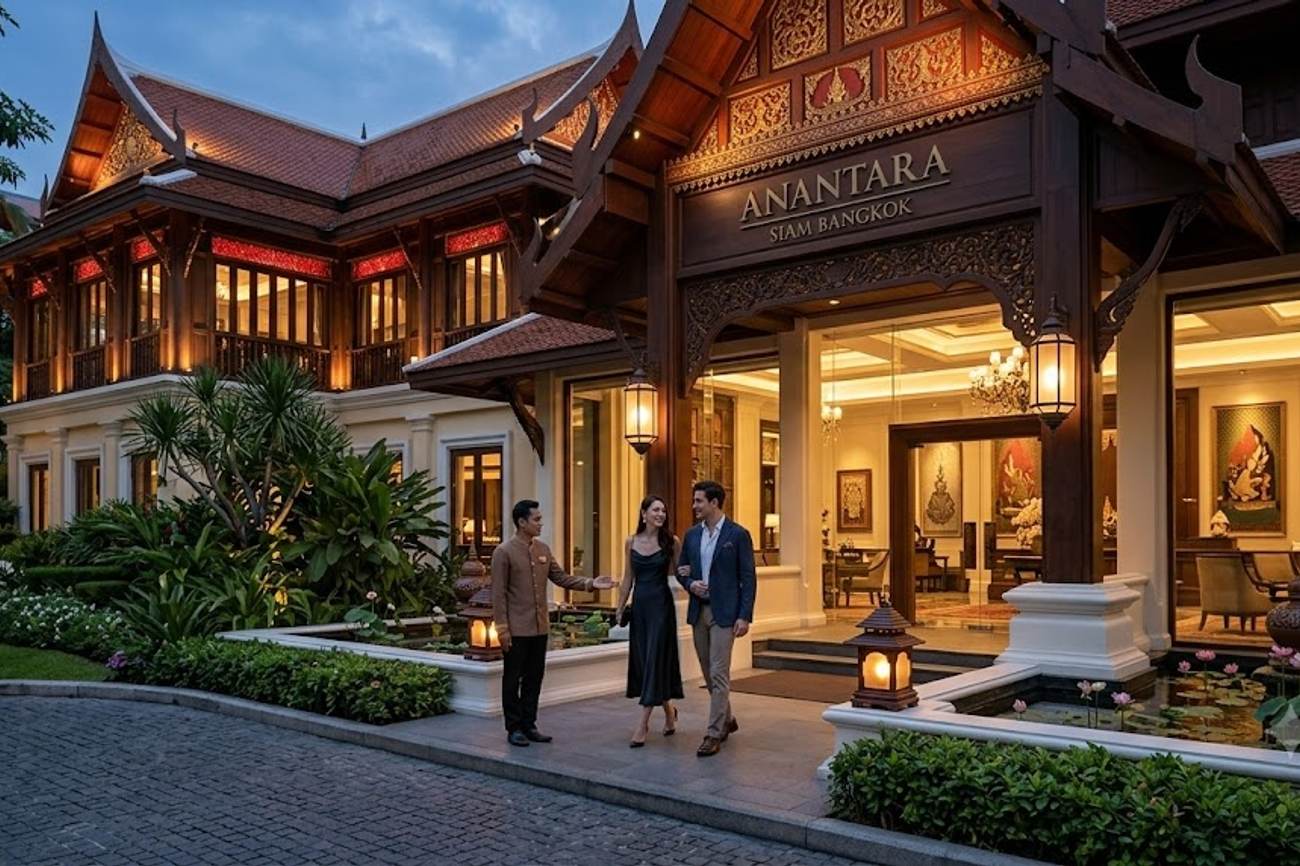
Image generated by AI
Bangkok
[September 11, 2026] — Thailand is aggressively recalibrating its luxury tourism strategy to compete with regional hubs like Singapore by pivoting toward hyper-personalized, culturally immersive guest experiences. This strategic shift is most evident in the comprehensive overhaul of the Anantara Siam Bangkok Hotel, where a commitment of more than THB 1.6 billion—roughly US$50 million—is being deployed to modernize one of the capital's most iconic properties. The renovation spans the entire guest journey, from the redesign of suites and public lounges to the integration of advanced wellness facilities and expanded culinary venues.
Strategic Pivot Toward Experience-Led Luxury
The current evolution of Bangkok's hospitality landscape reflects a broader global trend where affluent travelers are rejecting generic, standardized luxury in favor of "sense of place." Modern high-net-worth individuals are increasingly seeking accommodations that function as cultural gateways rather than mere transit points. Bangkok is uniquely positioned to capitalize on this demand by leveraging its existing strengths in gastronomy, traditional arts, and a world-renowned reputation for service.
The THB 1.6 billion investment is not merely a cosmetic update but a fundamental reimagining of the guest proposition. By placing Thai identity at the core of the operational model, the property aims to attract a new generation of luxury travelers who value authenticity and storytelling over opulent but sterile environments.
Comprehensive Breakdown of the THB 1.6 Billion Overhaul
The scale of the investment underscores the intensity of the competition within Bangkok’s premium tourism economy. Rather than focusing on isolated upgrades, the transformation targets every touchpoint of the visitor experience to ensure a seamless blend of heritage and high-tech functionality.
| Hospitality Area | Transformation Focus | Travel Significance |
|---|---|---|
| Guestrooms and suites | Contemporary Thai-inspired interiors and upgraded bathrooms | Greater comfort for luxury travellers |
| Restaurants and bars | Expanded culinary and lifestyle experiences | Stronger destination dining appeal |
| Meetings and events | Refreshed venues with modern technology | Increased business travel potential |
| Wellness | New fitness, Pilates and outdoor facilities | Broader wellbeing offering |
| Public spaces | Heritage conservation and contemporary refinement | Stronger sense of place |
Operating under the guiding philosophy “Transformed. Timeless. Thai,” the project seeks to honor the hotel's legacy, which dates back to 1983, while meeting the rigorous technical demands of 2026. This balance is critical; while guests expect smart-room technology and refined ergonomics, they are primarily drawn to the handcrafted elements and cultural narratives that cannot be replicated in other global cities.
Travelers planning a visit to the capital can find official travel advisories and entry requirements through the Tourism Authority of Thailand.
Preserving Thai Heritage within Modern Architecture
The architectural integrity of the property, originally envisioned by George Wimberley, serves as the foundation for this modernization. Industry reports indicate that a key priority of the renovation was the conservation of existing artistic assets rather than their replacement.
Notably, a 100-metre hand-painted mural located in the lobby and 19 intricate ceiling panels depicting the “Heavens in Thai Thought” have been meticulously preserved. For the international traveler, these elements transform the hotel into a living museum. This approach acknowledges that for the luxury segment, the hotel itself is often a primary destination on the itinerary, providing meaningful cultural encounters without the need to leave the premises.
The updated aesthetic utilizes a sophisticated palette of traditional Thai materials. Warm teak wood, silk accents, and handcrafted artisanal details are paired with marble bathrooms and state-of-the-art fittings, ensuring the environment feels contemporary yet rooted in local tradition.
High-End Suite Innovations for Leisure Markets
The redesign encompasses all 335 guestrooms and suites, with a specific focus on increasing privacy and exclusivity—two primary drivers for today's luxury leisure traveler.
For those coordinating luxury arrivals, flight schedules and premium lounge services are available via Thai Airways.
A standout addition is the Anantara Garden Pool Suites. By integrating private pools into lush, tropical landscapes, the hotel is introducing resort-style living into a dense urban environment. This responds to a growing demand for "sanctuary" spaces within major metropolitan hubs.
Furthermore, the Jim Thompson Suite serves as a flagship for the property's cultural ambitions. This two-bedroom suite utilizes curated artwork and traditional silk and teak, directly linking the guest's stay to Thailand's rich artistic history. By differentiating its room products, Bangkok is better equipped to compete with other Asian luxury capitals that often rely on a more homogenized international style.
Gastronomy as a Primary Tourism Driver
Recognizing that food is one of Bangkok's most potent draws, the hotel has expanded its culinary footprint to include nine distinct restaurants and bars. This diverse portfolio is designed to capture different market segments and time-of-day needs, ranging from high-energy social spots to formal dining.
The "Spice Market" continues to anchor the Thai culinary experience, while other venues offer a global rotation of Japanese, Italian, and South American flavors. The addition of the Aqua Bar introduces a lifestyle-centric element, catering to the "bleisure" traveler who seeks social vibrancy alongside professional amenities. By positioning itself as a culinary destination, the hotel increases the likelihood of longer guest stays and attracts non-resident visitors, thereby diversifying its revenue streams.
To explore broader regional travel standards and aviation regulations, visit the International Air Transport Association (IATA).
Enhancing the MICE and Business Infrastructure
The transformation extends deeply into the Meetings, Incentives, Conferences, and Exhibitions (MICE) sector. By upgrading meeting facilities with cutting-edge technology and refreshed aesthetics, the property is targeting the high-yield corporate segment. The goal is to provide a venue where professional efficiency meets cultural prestige, allowing business travelers to experience Thai hospitality without compromising on the technical requirements of modern global commerce.
Why This Matters: The Shift in Luxury Logistics
For the traveler, this shift means that the "luxury" label is moving away from gold-leaf opulence and toward "cultural capital." When a hotel invests THB 1.6 billion into heritage conservation and localized design, it changes the logistical value of the stay. The hotel is no longer just a place to sleep; it becomes a curated experience that reduces the friction of cultural exploration.
From a market perspective, this move signals that Bangkok is no longer content with being a "value" luxury destination. By aligning its standards with the experiential luxury seen in Singapore or Tokyo, Thailand is targeting a higher spend-per-visitor metric. The integration of private pool suites and high-concept dining suggests a move toward attracting the "Ultra-High-Net-Worth" (UHNW) segment, which prioritizes exclusivity and authenticity over brand name alone.
FAQ: Bangkok Luxury Hospitality Sector Sees 2026
What is changing at the Anantara Siam Bangkok Hotel? The hotel is undergoing a THB 1.6 billion renovation focusing on "hyper-personalized" experiences. Updates include redesigned suites, expanded culinary venues, and new wellness facilities, all blending modern technology with traditional Thai heritage.
Why is Bangkok investing in "cultural luxury" tourism? Bangkok is pivoting toward "sense of place" experiences to compete with hubs like Singapore. By focusing on authenticity and storytelling, the city aims to attract high-net-worth travelers who prefer immersive cultural gateways over standardized luxury.
What new amenities can luxury travelers expect in Bangkok? Visitors can expect a shift toward holistic wellbeing, including advanced Pilates and fitness facilities, contemporary Thai-inspired interiors, and destination dining that emphasizes local gastronomy and traditional arts.
How does this investment affect business travel to Bangkok? The overhaul includes refreshing meeting and event venues with modern technology, making the city more attractive for high-end corporate travel and international conferences seeking a blend of efficiency and cultural prestige.
Related Travel Guides
Disclaimer
This article is for informational and educational purposes only. It does not constitute legal, financial, or professional advice. While we strive to provide accurate and up-to-date information, travel policies, regulations, and conditions change rapidly. Always verify information with official sources before making travel decisions. Nomad Lawyer makes no representations about the accuracy, reliability, completeness, or suitability of the information provided. Readers should consult qualified professionals for advice specific to their circumstances. The views expressed in this article are those of the author and do not necessarily reflect the views of Nomad Lawyer.
Preeti Gunjan
Contributor & Community Manager
A passionate traveller and community builder. Preeti helps grow the Nomad Lawyer community, fostering engagement and bringing the reader experience to life.
Learn more about our team →