
BWI Under Pressure: 89 Delays and 16 Cancellations Disrupt Travel at Baltimore/Washington International
Baltimore/Washington International Thurgood Marshall Airport (BWI) faces a significant travel setback with 89 delays and 16 cancellations, straining one of the busiest hubs in the United States.

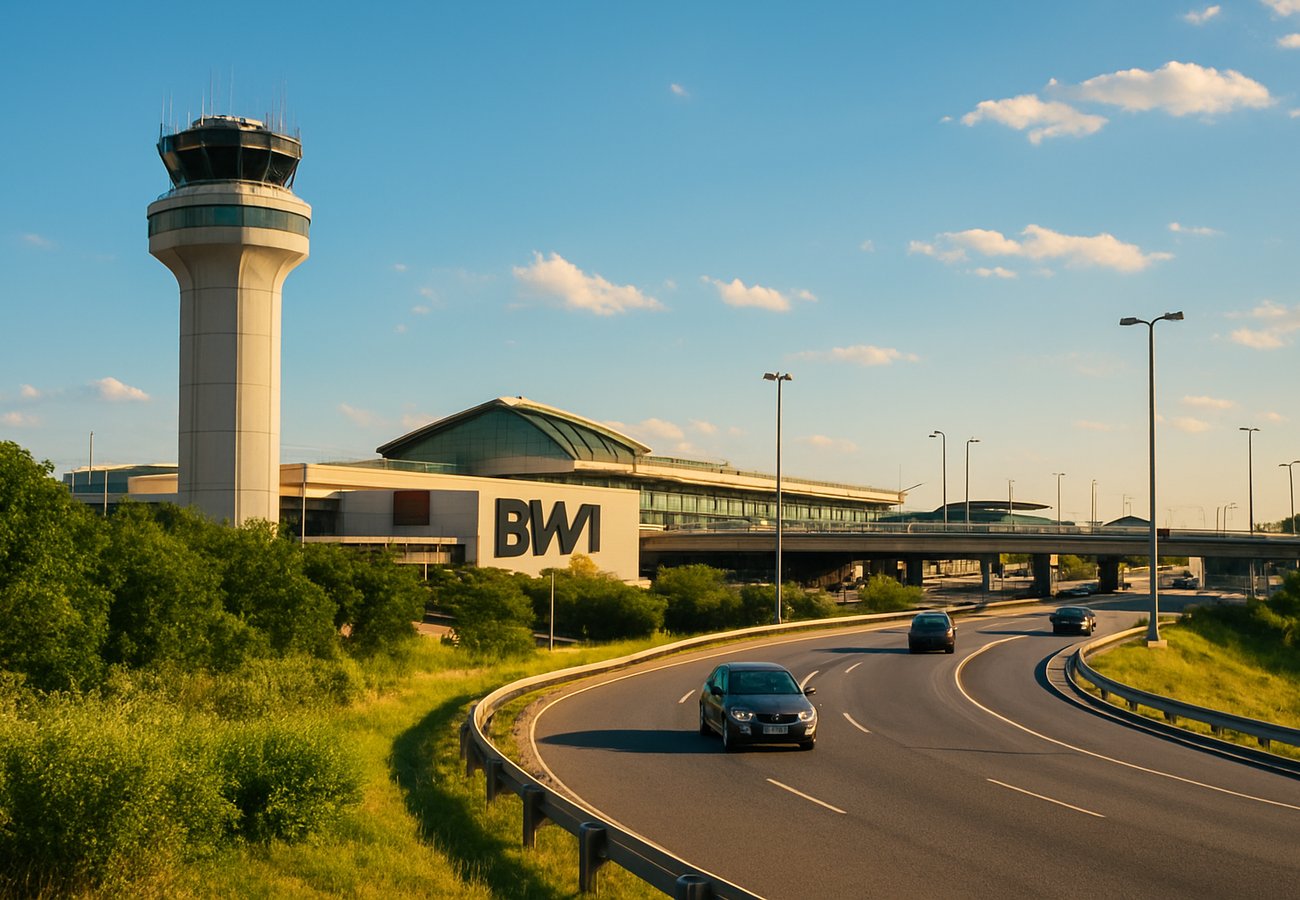
Image generated by AI
Baltimore/Washington International Thurgood Marshall Airport (BWI), one of the busiest and most critical aviation hubs in the United States, is currently grappling with a surge in flight disruptions. Operational data confirms that 89 flights have been delayed and 16 canceled in a single day, triggering widespread uncertainty for thousands of passengers moving through the Mid-Atlantic region. For many, a standard journey has rapidly transformed into a test of patience as the airport infrastructure and major carriers, including Southwest, American, and Delta, struggle to maintain scheduled flows.
Operational Gridlock: Analyzing the Surge in Disruptions at BWI
The current setbacks at BWI are not isolated incidents but reflect a broader pattern of instability currently affecting the U.S. aviation network. According to data from federal systems and real-time aviation tracking platforms, the scale of disruption at BWI has spiked significantly throughout the day.
The Federal Aviation Administration (FAA) has consistently highlighted that even moderate operational pressures—ranging from localized weather to technical constraints—can trigger cascading delays. At a high-volume hub like BWI, even a minor scheduling offset can quickly compound into a terminal-wide gridlock, leaving thousands of passengers in limbo.
Cascading Delays: How Regional Weather and Air Traffic Pressures Converge
A primary driver for the current chaos at BWI is the convergence of regional weather patterns and technical airspace management. Official FAA updates indicate that even slight variations in wind or visibility can force ground holds and departure delays. Because BWI is so tightly interconnected with other major airports along the East Coast, a single regional disruption can have an immediate and damaging ripple effect across the entire national airspace.
Regional Vulnerability: The Impact of Air Traffic Control Facility Safety Concerns
The current operational strain comes shortly after a period of heightened sensitivity in the Washington-Baltimore region. Recent weeks have seen temporary halts across multiple airports due to safety concerns at the Potomac TRACON center, which manages the movement of every aircraft in the regional airspace. Such incidents underline the fragility of modern airport operations; a single control facility issue can paralyze multiple international airports simultaneously, forcing mass cancellations and rerouting.
Terminal Reality: Managing Frustration Amid Interrupted Journeys
For travelers on the ground at BWI, the numbers—89 delays and 16 cancellations—represent more than just data. They translate into missed professional connections, altered vacation plans, and exhaustive waits in overcrowded terminals. As customer service desks become overwhelmed, the difficulty of securing alternative flights increases, leaving many passengers to spend hours navigating the terminal with limited clarity. The emotional toll is particularly heavy for families and international travelers whose connecting journeys have been completely derailed.
Infrastructure vs. Demand: The Ongoing Battle at One of America’s Busiest Hubs
BWI serves as a primary domestic and international gateway, handling millions of passengers annually. While the airport has recently expanded with new concourse connectors and system upgrades designed to improve passenger flow, the underlying operational strain remains a persistent challenge. Experts point out that the explosive demand for air travel in 2026 is colliding with system-wide constraints, including staffing shortages and airspace congestion, putting unprecedented pressure on airports nationwide.
FAA Guidance: Essential Advice for Navigating BWI Disruptions
The FAA and BWI airport authorities are urging all travelers to remain proactive and stay informed through official, real-time channels. For those navigating the current disruption, it is recommended to:
- Check Status Frequently: Do not leave for the airport without verifying your flight’s current status via the airline’s app.
- Allow Extra Time: Arrive significantly earlier than usual to navigate security and boarding, which are often slowed during periods of disruption.
- Maintain Flexibility: Be prepared for the possibility of rebooking through alternative regional airports if your primary route is grounded.
The Human Element: Resilience and Patience in a System Under Strain
Amid the technical reports and operational statistics, the real story at Baltimore/Washington International is one of human resilience. Inside the terminals, passengers are adapting to the uncertainty, helping fellow travelers, and finding ways to move forward despite the interruption of their plans. As BWI works toward a return to stabilized flight operations, the patience of every traveler remains a vital part of the recovery process.
Related Travel Guides
Disclaimer
This article is for informational and educational purposes only. It does not constitute legal, financial, or professional advice. While we strive to provide accurate and up-to-date information, travel policies, regulations, and conditions change rapidly. Always verify information with official sources before making travel decisions. Nomad Lawyer makes no representations about the accuracy, reliability, completeness, or suitability of the information provided. Readers should consult qualified professionals for advice specific to their circumstances. The views expressed in this article are those of the author and do not necessarily reflect the views of Nomad Lawyer.
Kunal K Choudhary
Co-Founder & Contributor
A passionate traveller and tech enthusiast. Kunal contributes to the vision and growth of Nomad Lawyer, bringing fresh perspectives and driving the community forward.
Learn more about our team →