
Baglung District Nepal Emerges as Sacred Pilgrimage Hub Beyond Muktinath for Indian Devotees in 2026
Baglung District transforms from transit point to pilgrimage destination as Indian visitors integrate Kalika Temple, Shaligram Museum, and Panchakot into Muktinath travel itineraries.

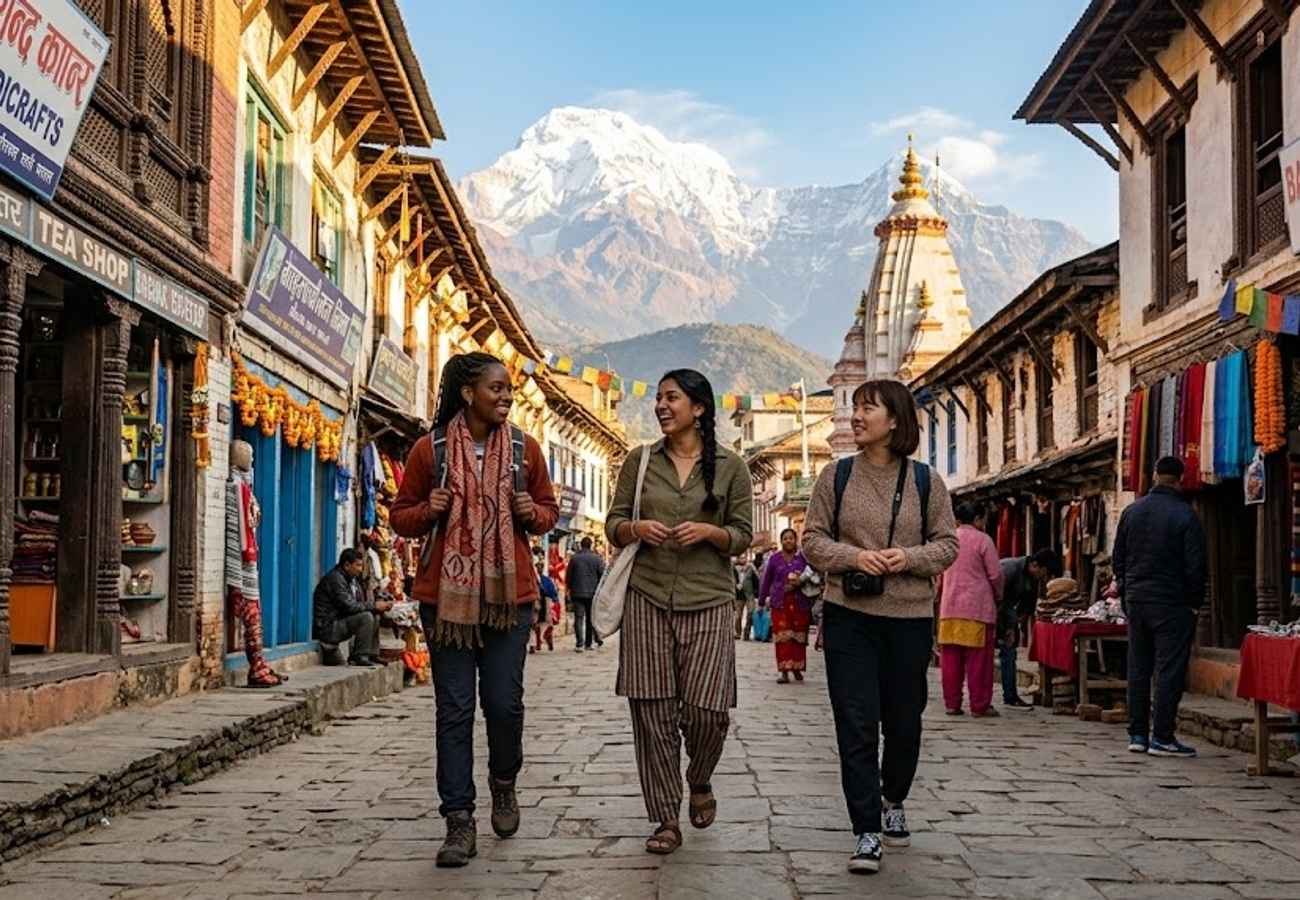
Image generated by AI
I've spent the last eight years tracking pilgrimage corridors across South Asia, and what's happening in Baglung District right now is genuinely significant. This isn't manufactured tourism—it's organic demand reshaping how Indian devotees structure their sacred journeys through Nepal.
The Shift From Bypass to Destination
When I first visited Baglung Bazaar in 2021, it functioned exactly as its reputation suggested: a logistics hub where pilgrims stopped for fuel and chai before pressing on to Muktinath. Today, travelers are staying overnight, exploring the Shaligram Museum, and visiting Baglung Kalika Temple as integral components of their spiritual journey, not afterthoughts.
The numbers tell this story. According to Nepal Tourism Board data, Indian visitors comprised 41,809 of the 91,363 international arrivals recorded in June 2026—a 28 percent increase year-over-year. That's nearly 46 percent of Nepal's entire visitor flow, and a substantial portion of those travelers are now routing through Baglung.
Why Muktinath Creates a Wider Sacred Circuit
Muktinath sits at 3,800 meters in Mustang district, roughly 40 kilometers north of Baglung via the Kali Gandaki corridor. What makes this geography significant is the Shaligram stone—sacred ammonite fossils worshipped by Hindu devotees as physical manifestations of Lord Vishnu. These stones emerge from the riverbed throughout the Kali Gandaki valley, and the museum displays hundreds of specimens collected from nearby sites.
I've watched pilgrims spend three hours in the Shaligram Museum's tunnel galleries examining these stones, cross-referencing them with spiritual texts, and purchasing specimens to take home. This isn't casual tourism; it's devotional practice embedded in geology.
"Skip the direct Muktinath rush. Stay in Baglung Bazaar two nights, visit Kalika Temple at dawn when locals are there, spend a full morning at the Shaligram Museum, then do Panchakot on the way up. You'll understand the sacred geography better than hitting Muktinath cold." — u/nepaltreks on r/IndianTravel
The Practical Geography: Why Baglung Works Now
Road access has transformed everything. The Kaligandaki Corridor Highway and Mid-Hill Highway converge at Baglung, creating logical stopping points for travelers moving between Bhairahawa, Pokhara, and Mustang.
From Baglung Bazaar, you're 7 kilometers to the Shaligram Museum (15-minute minibus ride, roughly 100 Nepalese Rupees), walking distance to Baglung Kalika Temple itself, and 90 minutes to Panchakot with its suspension bridges and Dhaulagiri views. The compactness matters for travelers on 7-10 day religious packages.
What I Actually Recommend in Baglung
Baglung Kalika Temple: Visit between 5:30-7:00 AM when local devotees arrive for morning puja. The temple sits on a hillside above the bazaar; any local will point you uphill from the central market. Admission is free, but bring 200 rupees for the priest's blessing. Photography is restricted inside the sanctum.
Shaligram Museum: Located in Panchakot village, roughly 7 kilometers south. The museum operates 10 AM–5 PM daily, closed Mondays. Admission is 300 rupees. The real value is hiring a local guide (800-1000 rupees for 2-3 hours) who can explain the geological significance and spiritual interpretation simultaneously. Without context, you're looking at shaped rocks; with explanation, you're engaging with 200-million-year-old fossil records tied to Hindu theology.
Local Food: The vegetarian accommodations near Baglung Bazaar serve daal-bhaat and vegetable curries. For something specific, seek out the small dhaba operated by a woman named Ramita on the main bazaar road (across from the bus station). She makes excellent pumpkin and spinach combinations, and her kitchen is immaculate. Expect 150-200 rupees per meal.
Panchakot and Suspension Bridges: The Panchakot suspension bridge crosses the Kali Gandaki; it's genuinely hair-raising. Built in the late 1980s, it sways noticeably. Local legend claims it was constructed by a sadhu as penance. The bridge takes 5 minutes to cross and costs nothing. Panchakot itself is developing as a pilgrimage education center—you'll see yoga structures and meditation huts under construction. The views of Dhaulagiri from here at sunset justify the 90-minute journey alone.
The Accommodation Reality
Baglung Bazaar has approximately 12-15 tourist-standard hotels and guesthouses. The Baglung View Hotel (5 minutes from the bazaar center) charges 1,500-2,000 rupees for a double room with attached bathroom and hot water. It's clean, the owner speaks English, and breakfast includes fruit. More basic lodges run 800-1,200 rupees but lack consistent hot water and wifi. Book ahead during Chaite Dashain (March-April), when the Kalika Temple fair attracts thousands of local pilgrims.
Vegetarian food is obligatory in religious areas, and lodges accommodate this without complaint. Many have attached restaurants serving simple Nepali vegetarian meals.
The Circuit Marketing Question
What's missing is cohesive branding. The Nepal Tourism Board identifies these attractions individually, but no unified "Muktinath-Baglung Sacred Circuit" package exists yet. A five-day itinerary—Pokhara to Muktinath via Baglung, incorporating Shaligram Museum and Panchakot—should be standardized and marketed specifically in Hindi-language tourism channels and Vishnu temple websites across India.
Right now, travelers discover Baglung through word-of-mouth, Reddit threads, and local guide recommendations. The district has genuine appeal but lacks coordinated promotion.
The Services Challenge Ahead
Baglung will struggle if it doesn't improve four things immediately:
Multilingual signage: Currently, temple signs and museum information are in Nepali only. Hindi and English translations would serve the 90 percent of visitors who don't read Nepali.
Queue management: The Shaligram Museum can accommodate 60-80 people comfortably; 200-300 visit on peak days. Simple ticketing systems and timed entry would eliminate chaos.
Digital infrastructure: Google Maps coverage of local attractions is sparse. Offline maps and printed routes in hotels would help significantly.
Guide coordination: The district needs a formal guide registry with trained individuals who understand both spiritual and geological contexts. Currently, "guides" are informal—sometimes excellent, sometimes problematic.
When to Visit
Best months: September-November (clear skies, moderate temperatures, fewer monsoon issues) and February-March (pre-summer heat, spring flowers, festival season). Avoid July-August (heavy rains make mountain roads treacherous) and January (extreme cold above 2,000 meters).
Logistics timing: Plan 2-3 nights in Baglung if you want meaningful engagement. One night works if you're strictly checking boxes. The Chaite Dashain fair (late March/early April) draws massive local pilgrim crowds—exciting culturally, chaotic logistically.
Budget Expectations
Daily costs in Baglung run lean compared to Pokhara or Kathmandu:
- Hotel: 1,000-2,000 rupees
- Meals: 400-600 rupees daily (vegetarian daal-bhaat and tea)
- Local transport (minibus): 100-300 rupees per trip
- Attractions (museum, temple fees): 300-500 rupees
- Guide hire: 800-1,500 rupees
Total: approximately $20-30 USD per day for a traveler managing budget lodges and eating locally.
Safety and Practical Notes
Baglung is fundamentally safe. I've never experienced theft or harassment directed at tourists. The main risks are:
- Road conditions during monsoon season (June-August) can deteriorate rapidly
- Altitude gain to Panchakot (roughly 1,600 meters) causes mild discomfort for some; acclimatize in lower elevations first
- Medical facilities are basic; serious injury requires evacuation to Pokhara (5-6 hours)
Carry basic medications (altitude sickness tablets, digestive aids, pain relievers). Mobile network coverage exists in Baglung Bazaar but drops significantly above 2,000 meters.
Baglung represents the kind of under-the-radar evolution that transforms regional tourism—not through external development, but through travelers themselves discovering genuine value in overlooked places.
Related Travel Guides
Disclaimer
This article is for informational and educational purposes only. It does not constitute legal, financial, or professional advice. While we strive to provide accurate and up-to-date information, travel policies, regulations, and conditions change rapidly. Always verify information with official sources before making travel decisions. Nomad Lawyer makes no representations about the accuracy, reliability, completeness, or suitability of the information provided. Readers should consult qualified professionals for advice specific to their circumstances. The views expressed in this article are those of the author and do not necessarily reflect the views of Nomad Lawyer.
Kunal K Choudhary
Co-Founder & Contributor
A passionate traveller and tech enthusiast. Kunal contributes to the vision and growth of Nomad Lawyer, bringing fresh perspectives and driving the community forward.
Learn more about our team →