
Destination Campaigns: Ten Authentic Japanese Gardens in the United States
Discover ten authentic Japanese gardens in the United States, from Portland to Brooklyn, showcasing traditional design and cultural heritage.

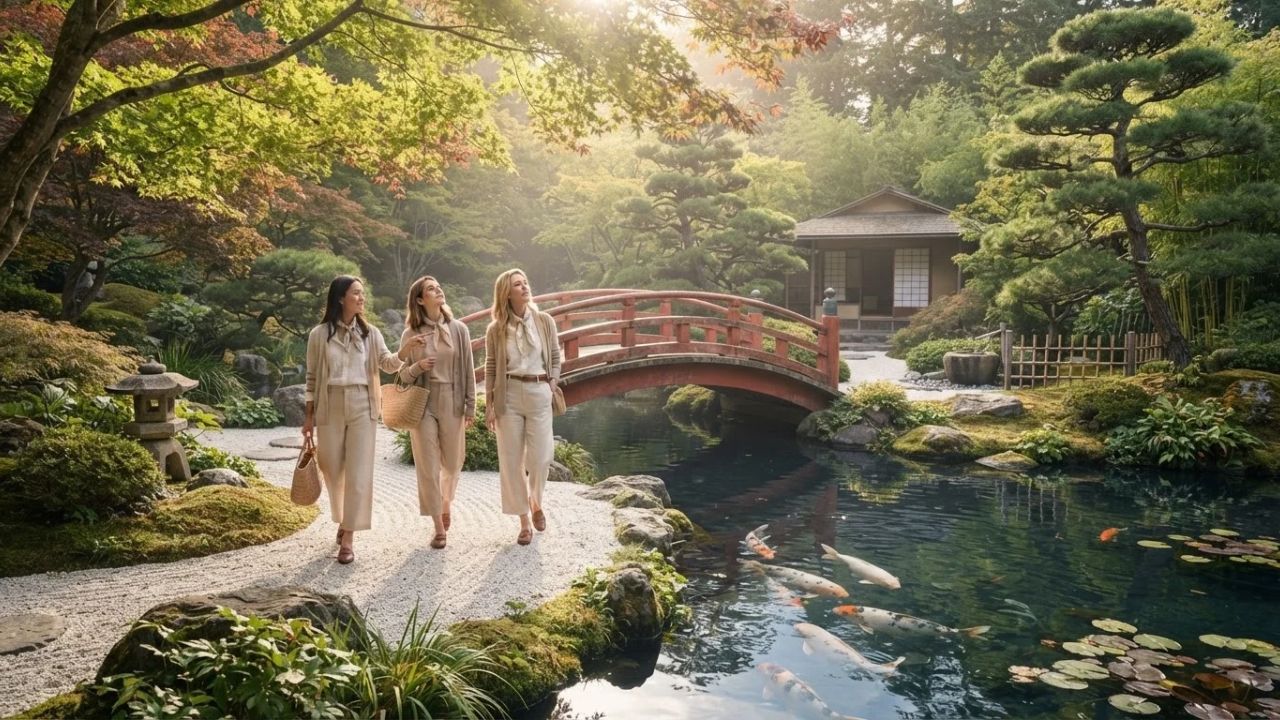
Image generated by AI
Discover ten authentic Japanese gardens in the United States, from Portland to Brooklyn, showcasing traditional design and cultural heritage. The North American Japanese Garden Association indicates that preserving these historical settings coordinates visitor arrivals, supporting cultural tourism partnerships across major US cities.
The Transition of Urban Green Spaces into Cultural Sanctuaries
A notable trend in municipal parks administration is the transition of urban green spaces into cultural sanctuaries. Historically, city boards developed parks focusing on active athletics, open meadows, and decorative floral beds, prioritizing simple recreational use. In 2026, progressive municipal departments and horticultural societies allocate spaces to authentic Japanese gardens, utilizing centuries-old principles of balance and symbolism to build tranquil settings within metropolitan boundaries.
By integrating traditional architecture, teahouses, and rock displays, cities offer visitors a chance for cultural discovery. This preservation model supports local plant nurseries, artisan stone carvers, and regional tourism networks.
The Ten Featured Japanese Gardens in the United States
These ten gardens offer distinctive cultural experiences across different US regions:
- Portland Japanese Garden (Portland, OR): Set within Washington Park, this 12.5-acre garden was established in the 1960s and contains eight distinct garden spaces, including a strolling pond garden, tea garden, flat garden, natural garden, entry garden, courtyard tsubo-niwa, and sand-and-stone area.
- Seattle Japanese Garden (Seattle, WA): Occupies 3.5 acres within the Washington Park Arboretum, welcoming visitors since 1960. Designed under the direction of Juki Iida, it follows strolling pond principles.
- Japanese Tea Garden (San Francisco, CA): Located in Golden Gate Park, it traces its origins to the 1894 California Midwinter International Exposition, developing from a temporary village into a permanent garden.
- Tenshin-en (Boston, MA): Located at the Museum of Fine Arts Boston, it was dedicated in 1988 and designed by Kinsaku Nakane as a karesansui (dry landscape) viewing garden using more than 200 stones.
- Shofuso Japanese House and Garden (Philadelphia, PA): Features a residential compound built in Japan in the 1950s before being relocated to Fairmount Park.
- The Huntington Japanese Garden (San Marino, CA): Has served as a Southern California attraction for more than a century, featuring an 18th-century Japanese Heritage Shōya House relocated from Marugame, Japan.
- Japanese Hill-and-Pond Garden (Brooklyn, NY): Located at the Brooklyn Botanic Garden, this historic site dates back to 1915.
- Roji-en (Delray Beach, FL): Located at the Morikami Museum, this garden complex was designed by Hoichi Kurisu and contains six individual gardens inspired by different historical periods.
- Rohoen / Japanese Friendship Garden (Phoenix, AZ): Built through a partnership with Himeji, Japan, adapting traditional design principles to a dry desert climate.
- Anderson Japanese Gardens (Rockford, IL): Designed by Hoichi Kurisu as a strolling garden combining waterfalls, ponds, and bridges.
These gardens demonstrate how traditional Japanese design can be adapted to different regional climates across America.
Authentic US Japanese Garden Design and Location Coordinates
The table below breaks down the garden names, sizes, starting dates, design configurations, regional partners, and coordinating authorities recorded on August 23, 2026:
| Garden Name Link | Garden Acreage Level | Starting Date / Era | Design Configuration | Regional Partner | Coordinating Authority |
|---|---|---|---|---|---|
| Portland Garden | 12.5-acre property | Established 1960s | Eight distinct styles | Washington Park Trust | Japanese Garden Association |
| Seattle Garden | 3.5 acres of land | Opened in 1960 | Strolling pond model | Washington Arboretum | Seattle Parks Department |
| Japanese Tea Garden | Golden Gate Park site | Inception: 1894 Expo | Traditional village paths | Golden Gate Park Board | San Francisco Recreation |
| Tenshin-en | MFA Boston viewing | Dedicated in 1988 | Karesansui dry stones | Museum of Fine Arts | Boston Horticultural Society |
| Shofuso House | Fairmount Park site | Relocated 1950s era | Traditional teahouse | Japan America Society | Philadelphia Horticulture |
These coordinates outline the gardens, sizes, dates, configurations, partners, and authorities established for the cultural programs.
Resource Stewardship and Eco-Aware Garden Travel
For the traveler, the benefit of practicing resource stewardship when visiting these gardens is staying on marked paths, which prevents soil compaction and protects delicate moss beds. Booking tickets online before arriving reduces paper receipt printing at entry booths.
Additionally, using local public transport (such as regional bus routes or light rail) to reach urban gardens minimizes personal vehicle emissions. Supporting on-site teahouses that source ingredients from organic tea farms helps promote sustainable agriculture.
For comparison, you can explore the changing dynamics of Stimulus Launch: Taiwan Unveils Billion-Dollar Repeat Visitor Rewards to see how destinations promote visitor spend. For transit updates, comparing travel scheduling matches other networks, such as Destination Campaigns: Florida Gulf Coast Beaches Record Surge in Tourism updates. This trend is similar to the tourism growth seen in other destinations, as detailed in our guide on the Hacienda Heights Bus Fire Transport Safety regulations.
Visitor Insider Tips: Navigating Japanese Gardens
If you are planning to visit these cultural sites, keep these practical tips in mind:
- Visit During the Early Morning: Plan your visit for weekday mornings when crowds are low, allowing you to experience the paths in a quiet atmosphere.
- Respect the Viewing Boundaries: Note that dry landscape gardens like Tenshin-en in Boston are designed to be contemplated from designated viewing edges rather than walked through.
- Book Teahouse Ceremonies in Advance: Reserve your slot for traditional tea ceremonies at Shofuso or The Huntington weeks ahead, as guest numbers are limited.
- Explore the Restored Heritage Houses: Take time to explore the 18th-century Shōya House at The Huntington to learn about historic Japanese rural life.
- Wear Slip-On Shoes: Prepare to remove your footwear when entering traditional buildings like the Shofuso House in Philadelphia.
Long-Term Outlook for US Japanese Gardens
The long-term outlook for these gardens is focused on installing water filtration systems in koi ponds, expanding wheelchair-accessible pathways, and developing digital QR-code guides to explain the design symbolism. As cultural interest grows, regional botanical boards and international heritage committees will cooperate to maintain passenger standards.
By developing sustainable transit options and protecting historic structures, the tourism sector aims to build a sustainable transport network.
FAQ
Which is the oldest Japanese garden on the list?
The Japanese Tea Garden in San Francisco is the oldest, tracing its origins back to the 1894 California Midwinter International Exposition.
What is a karesansui garden?
A karesansui is a traditional Japanese dry landscape garden that uses rocks, gravel, and sand to symbolize mountains, islands, and water flows without using actual water.
How large is the Portland Japanese Garden?
The Portland Japanese Garden spans 12.5 acres within Washington Park and features eight distinct garden styles.
Who designed the Seattle Japanese Garden?
The strolling pond garden in Seattle was designed under the direction of Japanese landscape designer Juki Iida, opening to the public in 1960.
Stay updated on regional travel regulations and cultural campaigns shaping American transit.
Related Travel Guides
Disclaimer
This article is for informational and educational purposes only. It does not constitute legal, financial, or professional advice. While we strive to provide accurate and up-to-date information, travel policies, regulations, and conditions change rapidly. Always verify information with official sources before making travel decisions. Nomad Lawyer makes no representations about the accuracy, reliability, completeness, or suitability of the information provided. Readers should consult qualified professionals for advice specific to their circumstances. The views expressed in this article are those of the author and do not necessarily reflect the views of Nomad Lawyer.
Raushan Kumar
Founder & Lead Developer
Full-stack developer with 11+ years of experience and a passionate traveller. Raushan built Nomad Lawyer from the ground up with a vision to create the best travel and law experience on the web.
Learn more about our team →