
Austria Joins France, Germany, Italy, Switzerland, Spain and Other European Destinations in Issuing Fresh Travel Safety Advisory Highlighting High Terror Alert, Pickpocketing Risks and New Schengen Entry Rules for International Visitors
Austria issues new travel safety advisory for 2026, detailing high terror alerts, pickpocketing risks in Vienna, and man

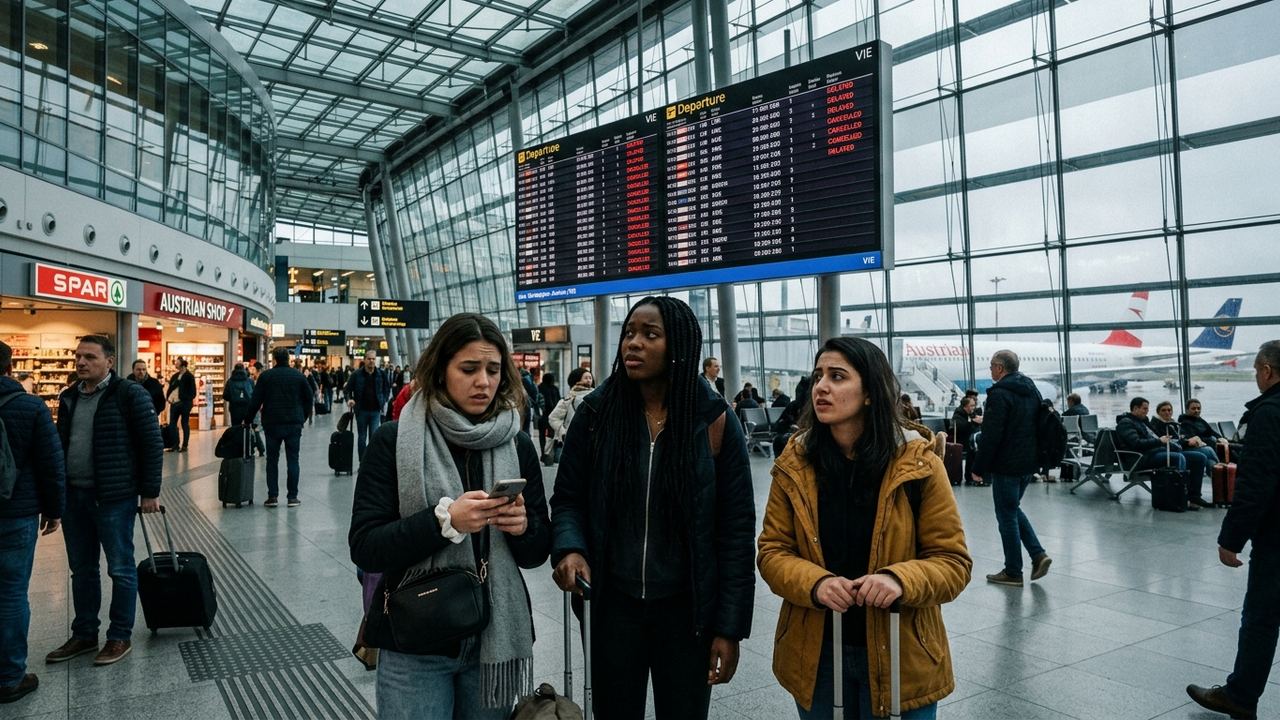
Image generated by AI
[Vienna, June 26, 2026] — Austria has issued a comprehensive travel safety update for international visitors, aligning its security protocols with those of France, Germany, Italy, Switzerland, and Spain. The new guidance emphasizes the need for vigilance due to a high national terrorism threat level, a rise in opportunistic petty crimes, and the implementation of the Schengen Entry/Exit System (EES) for non-EU citizens.
As millions of tourists descend upon Europe for the summer season, Austrian authorities are urging travelers to maintain standard security precautions while remaining mindful of specific regional risks. This updated framework is designed to ensure the safety of visitors exploring the nation's urban centers and alpine regions without compromising the openness of its tourism sector.
Heightened Security Measures and Terror Alerts in Austria
The Austrian government currently maintains a terrorism threat level of Level 4 on a five-point national scale, signifying a "High" alert status. This designation has prompted a visible increase in security personnel and surveillance across the country.
Industry reports indicate that security has been significantly tightened at critical infrastructure points. Travelers can expect a heavier police presence at international airports, major railway stations, and government buildings. Similarly, shopping districts, cultural venues, and sites hosting large-scale public events or sporting festivals are under increased monitoring to mitigate potential risks.
Visitors are advised to stay informed via local news outlets and are urged to comply immediately with any directives issued by security officials during emergency situations.
Addressing the Rise of Petty Crime in Tourist Hubs
While Austria remains one of the safest destinations globally, officials report that opportunistic theft is the most frequent challenge facing international tourists. High-traffic areas in Vienna—specifically the city center, St. Stephen’s Cathedral, and the Hauptbahnhof and Westbahnhof transit hubs—are identified as primary hotspots for pickpocketing and bag snatching.
Criminals are reportedly utilizing sophisticated distraction techniques to target unsuspecting visitors. Common tactics include spilling liquids on a traveler's clothing, offering unrequested assistance with luggage, or initiating prolonged conversations to divert attention while an accomplice steals valuables.
| Common Tourist Crime | Recommended Precaution |
|---|---|
| Pickpocketing | Keep valuables secure and hidden |
| Bag Snatching | Avoid displaying expensive luxury items |
| ATM Fraud | Use only bank-operated ATMs |
| Credit Card Fraud | Cover the keypad when entering PINs |
| Cybercrime | Avoid unsecured public Wi-Fi networks |
New Schengen Entry/Exit System (EES) Requirements
The landscape of European border control is shifting with the introduction of the Entry/Exit System (EES). This automated process now applies to all international visitors arriving in Austria from outside the European Union and the Schengen Area.
The EES replaces manual passport stamping with a digital record that captures facial images, fingerprints, and travel data upon entry into any of the 29 participating Schengen nations. This system is intended to streamline border crossings and enhance security by accurately tracking the duration of stays.
For specific nationalities, such as Canadians, the general rule of visa-free entry for up to 90 days within a 180-day window remains in effect. However, those seeking longer stays for employment, study, or extended business must secure the appropriate visas.
| Entry Requirement | Current Rule |
|---|---|
| Schengen EES | Mandatory registration upon arrival |
| Tourist Visa | Not required for eligible 90-day visits |
| Business Visit | Visa-free for up to 90 days |
| Student Visa | Required |
| Work Visa | Required |
| Passport Validity | Minimum three months beyond Schengen departure |
Safety Protocols for Alpine and Outdoor Adventures
Austria’s mountain regions continue to attract vast numbers of tourists for skiing, hiking, and mountaineering. However, authorities have issued warnings regarding the inherent risks of high-altitude tourism.
Visitors are strongly encouraged to procure comprehensive travel insurance that specifically covers adventure activities. Officials emphasize the importance of monitoring real-time weather forecasts and adhering to avalanche warnings during the winter months.
In the Alps, mountain roads can quickly become treacherous due to ice and snowfall. The use of winter tires and snow chains is considered essential for those renting vehicles to navigate alpine routes safely.
| Outdoor Activity | Safety Advice |
|---|---|
| Hiking | Carry sufficient water and emergency supplies |
| Skiing | Monitor avalanche conditions closely |
| Mountain Biking | Always wear protective gear |
| Mountaineering | Share travel itineraries with contacts |
| Winter Driving | Ensure vehicle is equipped with snow chains |
Essential Practical Guidance for International Visitors
To minimize travel disruptions and security risks, industry observers suggest that tourists avoid carrying excessive amounts of cash and keep their passports in secure locations. The use of trusted, licensed transportation services is highly recommended over unauthorized transit options.
Furthermore, travelers are warned against accepting food or drinks from strangers and are urged to exercise extreme caution when using public Wi-Fi networks to conduct financial transactions. By combining these practical precautions with the monitoring of official travel advisories, visitors can significantly reduce their vulnerability to fraud and theft.
Why This Matters: The Broader Impact on European Aviation and Tourism
The synchronization of travel advisories between Austria and other major European powers like France, Germany, and Spain signals a unified continental strategy toward "preventative vigilance." By standardizing the communication of threat levels and the rollout of the EES, Europe is attempting to balance the economic necessity of tourism with the complexities of modern security.
For the aviation and travel industry, the mandatory EES registration represents a significant shift in passenger processing. This may lead to initial bottlenecks at major hubs as travelers adjust to biometric registration. However, in the long term, this digitization is expected to reduce human error in visa overstays and improve border integrity.
The emphasis on "normal precautions" despite a "High" terror alert suggests that European governments are trying to avoid panic while maintaining a high state of readiness. This nuanced approach allows the tourism economy to remain resilient while ensuring that the infrastructure—from the Vienna International Airport to the ski resorts of Tyrol—is prepared for evolving threats.
Related Travel Guides
Disclaimer
This article is for informational and educational purposes only. It does not constitute legal, financial, or professional advice. While we strive to provide accurate and up-to-date information, travel policies, regulations, and conditions change rapidly. Always verify information with official sources before making travel decisions. Nomad Lawyer makes no representations about the accuracy, reliability, completeness, or suitability of the information provided. Readers should consult qualified professionals for advice specific to their circumstances. The views expressed in this article are those of the author and do not necessarily reflect the views of Nomad Lawyer.
Kunal K Choudhary
Co-Founder & Contributor
A passionate traveller and tech enthusiast. Kunal contributes to the vision and growth of Nomad Lawyer, bringing fresh perspectives and driving the community forward.
Learn more about our team →