
Australia Summer Travel Guide: Unlocking 45% Savings in Late January Across Coastal and Wine Regions
Smart travelers save up to 45% on Australian holiday homes by shifting summer beach vacations from peak Christmas weeks to late January 2027.

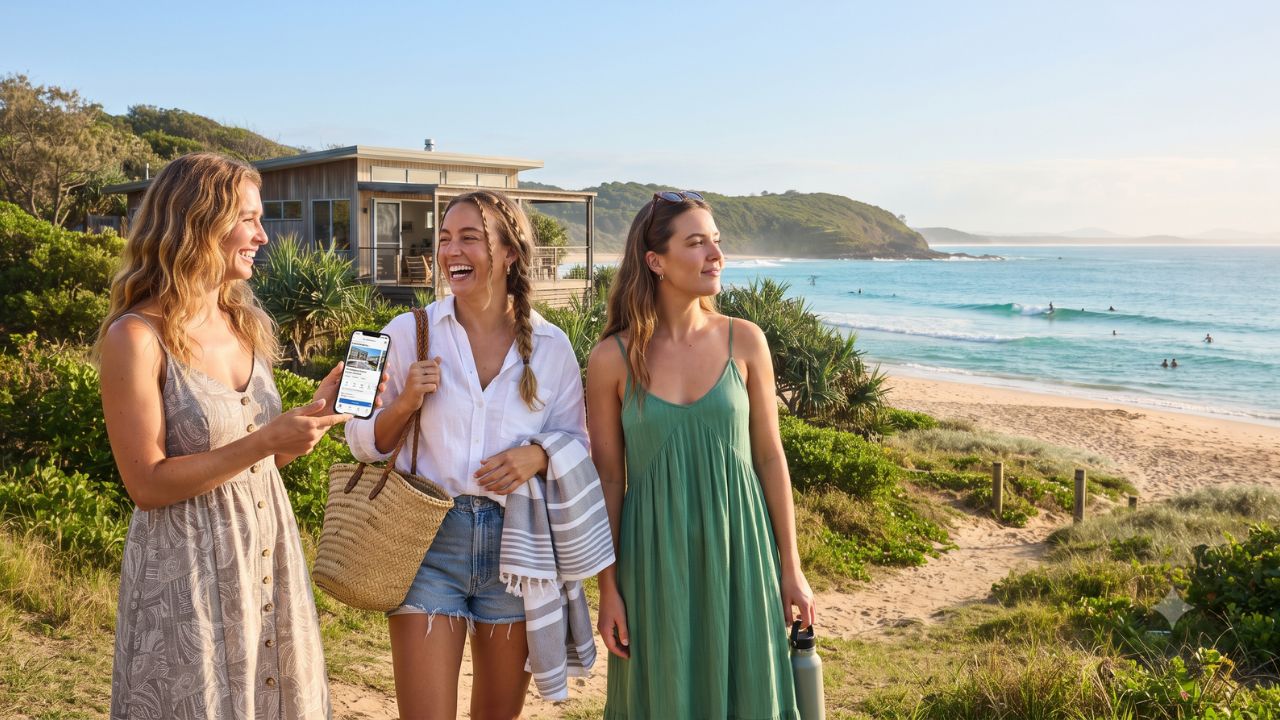
Image generated by AI
While holiday home occupancy across Australia's premier coastal enclaves hits fifty percent capacity months ahead of the Christmas rush, adjusting your departure to the final week of January slashes accommodation costs by up to forty-five percent. By avoiding the two-week peak festive crush between Christmas and New Year, travelers heading into the 2026–2027 Southern Hemisphere summer enjoy uncrowded sandbars, open restaurant seating, and substantial price relief across premier beach and wine regions.
Australia Summer Travel 2026–2027: The Late January 45% Cost Drop
Early booking surges have rapidly filled seaside holiday homes across New South Wales, Queensland, Victoria, and South Australia. Because holiday rentals represent individual properties rather than multi-room resort blocks, prime beachfront houses in coveted postcodes often sell out six months before the summer holidays begin.
However, price patterns shift dramatically after mid-January:
- The Post-Festive Price Plunge: Rates on private holiday houses across coastal hubs drop by up to 45% during the final week of January as school holiday crowds begin returning home.
- Coastal Hotspots Leading Demand: High booking volumes are centered in Shoalhaven and Byron Bay (NSW), the Sunshine Coast, Gold Coast, and Whitsundays (QLD), Mornington Peninsula and Geelong (VIC), and the Fleurieu Peninsula and Kangaroo Island (SA).
- Inland Value Alternatives: Rural wine corridors—such as the Southern Highlands in New South Wales, the Yarra Valley in Victoria, and the Barossa Valley in South Australia—offer abundant accommodation availability and farm-to-table dining away from coastal crowds.
Seasonal travel recommendations and state regional guides are maintained by Tourism Australia.
What Makes Australia's Summer Regional Geography Unique
The vast diversity of the Australian continent allows travelers to pair world-renowned marine reserves with cool-climate agricultural valleys:
- Subtropical and Tropical Waters: In Queensland's Whitsunday Islands, protected waters overseen by the Great Barrier Reef Marine Park Authority offer sailing access to Whitehaven Beach's pure silica sands and colorful coral bommies.
- Temperate Coastal Escapes: The Mornington Peninsula and Fleurieu Peninsula combine ocean surf beaches with sheltered bay waters, coastal thermal hot springs, and historic maritime lighthouses.
- Wildlife Sanctuaries: On South Australia's Kangaroo Island, protected nature reserves managed under Parks Australia guidelines shelter wild koala colonies, sea lions at Seal Bay, and unique limestone rock formations.
Visitor Insider Tips
- Beach Safety Protocols: Always swim strictly between the red-and-yellow flags patrolled by volunteer surf lifesavers. Australian ocean beaches experience powerful rip currents; never enter unpatrolled waters or swim alone at dusk.
- Sun Protection Standards: The Southern Hemisphere summer sun carries extreme UV index ratings (often exceeding 11+). Apply broad-spectrum, water-resistant SPF 50+ sunscreen every two hours, wear wide-brimmed hats, and seek shade between 11:00 AM and 03:00 PM.
- Car Rental Logistics: Secure four-wheel-drive or standard SUV rentals directly from Sydney (SYD), Melbourne (MEL), or Brisbane (BNE) airports months ahead, as regional rental vehicle fleets become constrained during summer school holidays.
- Visiting Wine Regions: When touring cellar doors in the Barossa or Yarra Valley, book tasting seatings in advance. Many boutique wineries operate by reservation only to provide seated, guided vintage tastings paired with regional cheeses.
Cultural and Environmental Context
Australia's summer season coincides with heightened bushfire awareness across rural and coastal woodlands. National park services enforce strict Total Fire Bans during hot, windy days, prohibiting open campfires and solid-fuel barbecues to protect native wildlife habitats.
In addition, marine conservation programs along the Great Barrier Reef and coastal estuaries mandate the use of oxybenzone-free, reef-safe sunscreens to protect delicate coral polyps and seagrass beds. Supporting indigenous-guided cultural walks and purchasing produce from regional farm gates ensures travel dollars directly aid local conservation and rural community resilience.
FAQ: Visiting Australia in Summer 2026–2027
Why is late January the best time for budget-conscious summer travel in Australia?
Holiday rental rates drop by up to 45% during the final week of January as peak festive crowds depart, opening up availability across coastal towns.
Which coastal regions in Australia experience the highest summer demand?
Top destinations include Byron Bay, Shoalhaven, the Sunshine Coast, Whitsundays, Mornington Peninsula, and Kangaroo Island.
What are good alternative summer destinations to avoid beach crowds?
Inland wine and highland regions like the Barossa Valley, Yarra Valley, and Southern Highlands offer lower lodging rates and relaxed culinary itineraries.
What precautions should international visitors take on Australian beaches?
Swim exclusively between patrolled red-and-yellow flags, reapply SPF 50+ sunscreen frequently, and stay well hydrated in high summer temperatures.
Shifting your Australian summer journey to late January delivers sunny coastal living, warm waters, and significant travel savings.
Disclaimer
This article is for informational and educational purposes only. It does not constitute legal, financial, or professional advice. While we strive to provide accurate and up-to-date information, travel policies, regulations, and conditions change rapidly. Always verify information with official sources before making travel decisions. Nomad Lawyer makes no representations about the accuracy, reliability, completeness, or suitability of the information provided. Readers should consult qualified professionals for advice specific to their circumstances. The views expressed in this article are those of the author and do not necessarily reflect the views of Nomad Lawyer.
Naina Thakur
Contributor & Travel Specialist
Travel enthusiast and legal writer covering visa regulations, responsible tourism, and cultural journeys across global destinations.
Learn more about our team →