
Australia Defeats Middle East Travel Chaos by Downgrading UAE, Qatar, and Israel Travel Warnings, Ending Flight Cancellations and Restoring Insurance for Global Aviation Hubs: Latest Airline News
Following a major US-Iran diplomatic breakthrough, Australia officially downgrades Middle East travel warnings, effectively ending a period of massive regional travel chaos and flight cancellations.

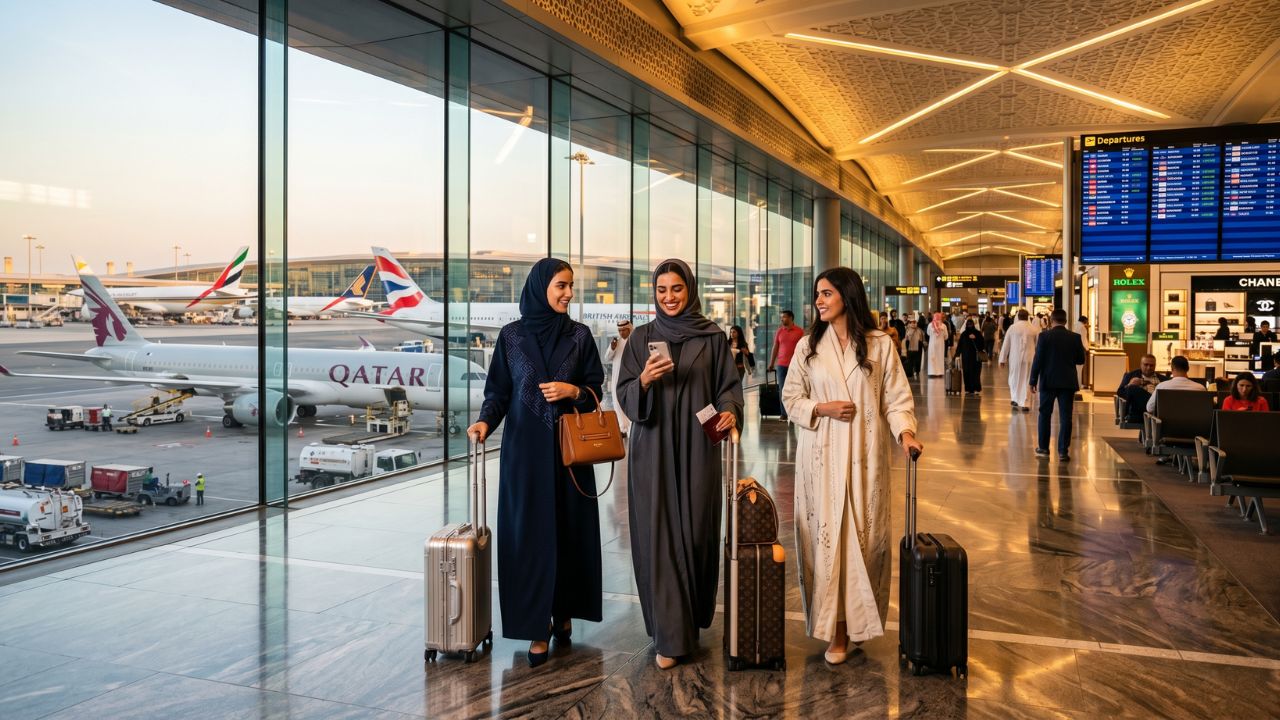
Image generated by AI
In a massive geopolitical shift that effectively neutralizes the devastating travel chaos and rolling flight cancellations that have paralyzed transcontinental transit over the past several months, the Australian government has officially downgraded its severe travel warnings for the Middle East. Confirmed on June 18, 2026, authorities have successfully lowered the risk assessments for the United Arab Emirates, Qatar, Bahrain, Israel, and Kuwait. Driven directly by a landmark diplomatic breakthrough between the United States and Iran, this security downgrade drops the region from a strict "do not travel" mandate to a more manageable "reconsider your need to travel" status. For millions of Australian passengers, this administrative pivot is a massive victory against airport disruptions, as it immediately restores comprehensive travel insurance eligibility for itineraries routing through Gulf mega-hubs. As mega-carriers like Emirates, Qatar Airways, and Etihad Airways rapidly regain their dominant market share and stranded passengers successfully abandon heavily congested alternative Asian routes, this historic reopening stands as the premier headline in today's breaking airline news and absolutely vital global aviation updates.
By introducing direct passenger coordination and dynamic scheduling backups, the regional aviation hubs target growing passenger demand across vital commerce sectors. The choice to coordinate flight departures in phases helps to manage gate capacity, supporting the country's broader regional transportation network.
Context: Escaping the Transcontinental Gridlock
For the millions of global passengers attempting to navigate the highly concentrated air corridors between Europe, Asia, and the South Pacific, the recent period of intense Middle Eastern airspace volatility transformed international travel into an absolute nightmare.
Historically, when geopolitical conflict erupts across the Gulf, the result is instantaneous, systemic travel chaos. Over the past few months, the severe "do not travel" warnings triggered by US-Iran tensions forced airlines into a brutal operational corner. Insurance companies immediately voided coverage for flights entering the Middle East, effectively forcing massive flight cancellations and terrifying passengers into abandoning Gulf mega-hubs entirely. Travelers were suddenly forced to bypass Dubai, Doha, and Abu Dhabi, instead routing through alternative hubs like Singapore and Hong Kong. This massive, sudden shift in passenger volume overwhelmed these Asian airports, creating severe secondary airport disruptions and adding hours to total journey times. With the diplomatic breakthrough now securely in place, Australia's decision to downgrade the warning fundamentally dismantles this gridlock. Passengers are once again insured to fly through the hyper-efficient Middle East, instantly alleviating the crushing congestion on Asian routes and ending the era of sudden, geopolitically driven flight cancellations.
To view live flight schedules, verify the active delay status of your specific itinerary, or to track active regional airspace restrictions, travelers must consult official aviation directories. For direct booking access onto these newly reopened, highly efficient Gulf transit corridors, travelers should aggressively utilize the official portals for carriers like Emirates and Qatar Airways. To explore live flight tracking and monitor the exact severity of the regional bottlenecks causing the flight cancellations you are actively trying to bypass, passengers can consult the official FlightAware tracking service.
Section-Wise Breakdown of the Gulf Aviation Recovery
Restoring Insurance to the Mega-Hubs
The absolute most critical element of this advisory downgrade is the restoration of travel insurance. When the Australian government lifted the "do not travel" ban, it legally forced insurance providers to reinstate standard coverage for routes transiting through Dubai, Doha, Manama, Tel Aviv, and Kuwait City. During the height of the crisis, passengers suffered severe financial losses from flight cancellations because their insurance was voided. This restored coverage entirely eliminates that financial terror, allowing travelers to book with total confidence.
The Return of the Gulf Carriers
Emirates, Qatar Airways, and Etihad Airways are preparing for a massive resurgence in traffic. Prior to the conflict, these carriers accounted for more than half of all passenger traffic moving between Europe and Australia. With the threat of sudden drone strikes and missile alerts fading into the background, these airlines will aggressively reclaim the market share they lost to Asian competitors. The return to these hubs guarantees faster one-stop connectivity, severely reducing the travel chaos associated with complex, multi-stop Asian detours.
Plunging Fuel Costs Stabilize the Market
The de-escalation of the US-Iran conflict has successfully cratered the massive fuel spikes that were previously driving airline surcharges. Singapore jet fuel prices have successfully plummeted to approximately $116 USD per barrel, a massive drop from the peak of $242 USD recorded during the worst phase of the crisis. Additionally, crude oil has declined by over 2 percent. This financial stabilization ensures that airlines will not be forced into executing cost-driven flight cancellations, heavily contributing to the overall recovery of the global network.
Technical Roster: Middle East Aviation Risk Recovery Data
To ensure absolute factual accuracy regarding the exact parameters of this geopolitical stabilization and its direct impact on commercial aviation, the following matrix details the verified recovery data:
Middle East Aviation Risk Recovery Matrix
| Strategic Metric | Operational Verification |
|---|---|
| Originating Authority | Australian Government |
| Updated Advisory Level | Downgraded to "Reconsider your need to travel" |
| Previous Advisory Level | Strict "Do not travel" mandate |
| Primary Hubs Impacted | Dubai, Doha, Manama, Tel Aviv, Kuwait City |
| Operational Benefit | Immediate restoration of comprehensive travel insurance coverage |
| Jet Fuel Market Correction | Prices dropped to ~$116/barrel from a peak of $242/barrel |
Passenger Impact: Eradicating Rerouting Anxiety
For the thousands of corporate road warriors and international tourists desperate for reliable transit between Europe and the South Pacific, this diplomatic breakthrough completely eradicates the psychological torture of being stranded during airspace closures.
The immediate passenger impact is the absolute elimination of forced Asian detours. Previously, a passenger flying from Sydney to London was forced to avoid the Gulf, adding expensive hours to their flight and risking severe airport disruptions in overcrowded secondary hubs. With the Gulf reopened and fully insured, that same passenger can return to the highly efficient, heavily protected transit ecosystems of Dubai or Doha. The restoration of insurance fundamentally shifts the balance of power back to the traveler; they no longer have to fear that sudden flight cancellations will bankrupt their holiday, as their policies will once again cover disruptions within the newly downgraded zones.
Industry Analysis: The Fragility of Global Corridors
Aviation industry analysts view the Australian downgrade as definitive proof that the entire global aviation network is dangerously reliant on the geopolitical stability of the Middle East.
Analysts note that when the Gulf closes, the entire world suffers travel chaos. The rapid shift of traffic away from the Middle East during the US-Iran tension proved that alternative routes simply cannot handle the volume, resulting in immediate, systemic airport disruptions. Industry experts warn that while this downgrade is a massive victory, airlines must continue to invest in dynamic routing capabilities. However, for the immediate future, carriers like Emirates and Qatar Airways will completely dominate the market, utilizing the massive $126-per-barrel drop in jet fuel to aggressively price out competitors and win back the millions of passengers who temporarily abandoned their hubs.
Actionable Advice for Surviving Transcontinental Transit
If you are navigating the highly volatile international network this summer, execute this strategic planning checklist to fully leverage the newly reopened Gulf corridors:
- Verify Your Insurance Policy: Despite the government downgrade, you must physically verify that your specific travel insurance provider has formally updated their coverage maps to include transit through the UAE and Qatar. Do not assume you are covered against flight cancellations until you receive written confirmation.
- Aggressively Rebook Gulf Routes: If you are currently booked on a miserable, three-stop itinerary through Asia to avoid the Middle East, immediately contact your airline. You can now safely rebook onto faster, one-stop routes through Dubai or Doha, completely bypassing the travel chaos of Asian mega-hubs.
- Capitalize on Falling Fuel Surcharges: With jet fuel plummeting from $242 to $116 a barrel, actively monitor your booking portals. Airlines may quietly drop their fuel surcharges, presenting an opportunity to secure cheaper premium cabin seats that were previously unaffordable during the crisis.
- Monitor Residual Conflict: A "reconsider your need to travel" warning still requires vigilance. While the airspace is currently open and safe, regional stability is fragile. Ensure you maintain active alerts on your airline app to instantly detect any sudden, localized airport disruptions.
FAQ: Middle East Airspace & Travel Chaos
Why did Australia downgrade its travel warnings for the Middle East?
Following a successful US-Iran diplomatic breakthrough that significantly de-escalated regional tensions, Australia lowered the threat level, dramatically reducing the risk of sudden airspace closures and travel chaos.
Which specific countries had their travel warnings downgraded?
The official Australian advisory was downgraded from "do not travel" to "reconsider your need to travel" for the United Arab Emirates (UAE), Qatar, Bahrain, Israel, and Kuwait.
How does this prevent flight cancellations and travel chaos?
By downgrading the warning, travel insurance eligibility is immediately restored, allowing passengers to confidently book direct transit through highly efficient Gulf hubs rather than routing through congested, disruption-prone alternatives.
The Reality of Geopolitical Aviation Security
The historic advisory downgrade executed by the Australian government proves definitively that geopolitical stability is the ultimate defense against systemic physical travel chaos. By formally acknowledging the US-Iran diplomatic breakthrough and restoring insurance coverage to the Gulf, authorities have provided global commuters with a heavily armored, exceptionally reliable bypass to terminal gridlock. As legacy carriers aggressively reclaim their market share following months of rolling flight cancellations and severe airport disruptions—fueled by a massive drop in jet fuel costs—travelers must accept a critical new reality: avoiding brutal travel anxiety requires constantly monitoring international diplomacy, aggressively managing your insurance policies, and routing through the hubs that offer the fastest, most secure transit available.
Key Takeaways
- Massive Advisory Downgrade: Australia has officially lowered its travel warnings for the UAE, Qatar, Bahrain, Israel, and Kuwait from "do not travel" to "reconsider your need to travel."
- Insurance Restored: This critical policy shift immediately restores comprehensive travel insurance for passengers transiting through Middle Eastern mega-hubs.
- Ending the Asian Detour: Passengers can now abandon congested alternative routes, significantly reducing the massive travel chaos and airport disruptions caused by the conflict.
- Plummeting Fuel Costs: Singapore jet fuel has crashed to approximately $116 per barrel from a peak of $242, easing the financial pressure driving cost-based flight cancellations.
- Passenger Survival: Travelers must explicitly verify their restored insurance coverage and aggressively rebook onto highly efficient Gulf carriers to bypass international transit gridlock.
Related Travel Guides
Disclaimer
This article is for informational and educational purposes only. It does not constitute legal, financial, or professional advice. While we strive to provide accurate and up-to-date information, travel policies, regulations, and conditions change rapidly. Always verify information with official sources before making travel decisions. Nomad Lawyer makes no representations about the accuracy, reliability, completeness, or suitability of the information provided. Readers should consult qualified professionals for advice specific to their circumstances. The views expressed in this article are those of the author and do not necessarily reflect the views of Nomad Lawyer.
Kunal K Choudhary
Co-Founder & Contributor
A passionate traveller and tech enthusiast. Kunal contributes to the vision and growth of Nomad Lawyer, bringing fresh perspectives and driving the community forward.
Learn more about our team →