
Australia Travel Alert: Sydney, Melbourne, and Brisbane Airports Face 529 Flight Delays and 15 Cancellations, Disrupting Qantas and Virgin Australia: New Travel Alert
Australia’s aviation hubs are experiencing massive disruptions. A combined 529 delays and 15 cancellations are affecting Qantas and Virgin Australia.

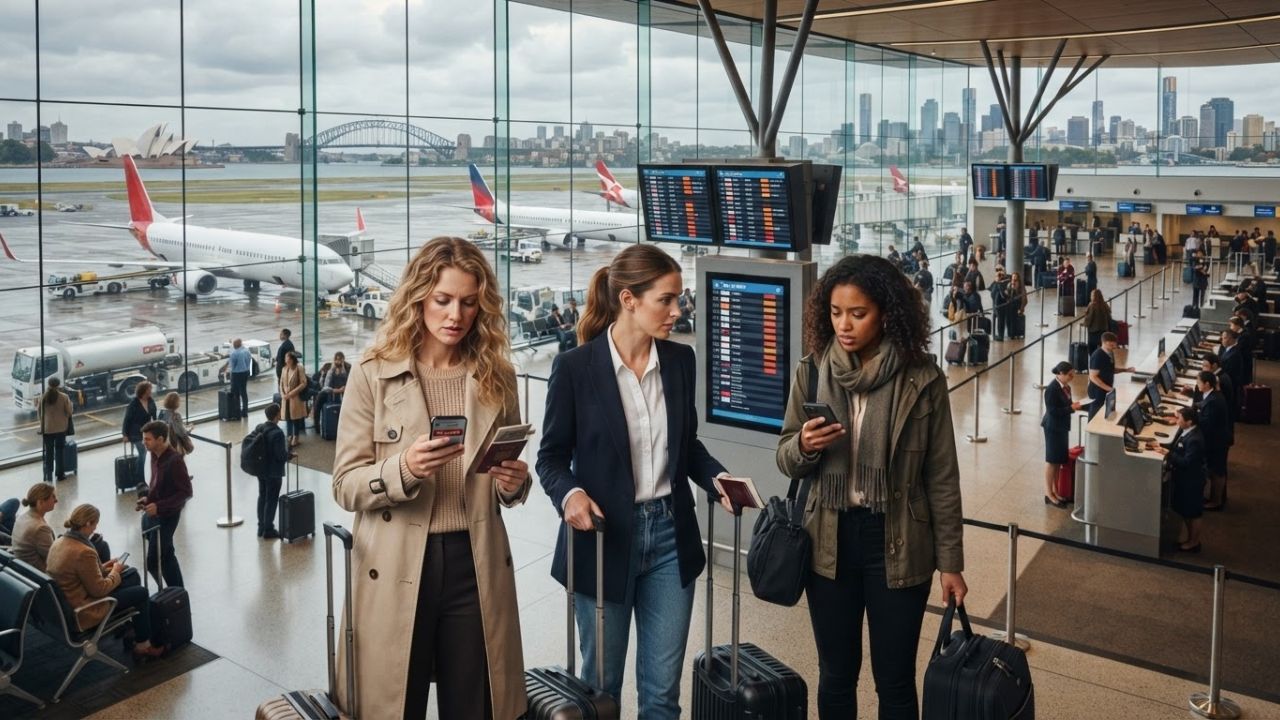
Image generated by AI
Published on July 17, 2026
Australia's primary aviation hubs are experiencing widespread travel disruptions, with Sydney, Melbourne, and Brisbane airports recording a combined 529 flight delays and 15 cancellations. The operational delays are severely affecting networks for major domestic carriers, including Virgin Australia, Qantas, and QantasLink, leaving hundreds of passengers stranded. Travelers are urged to verify their flight status through official communication channels before departing for the airport and to review alternative connection options.
Quick Summary
- Airport Disruptions: A combined total of 529 delays and 15 cancellations occurred across three major Australian gateways on July 16, 2026.
- Sydney Hardest Hit: Sydney Airport recorded the highest volume of disruptions, logging 269 delayed flights.
- Melbourne Cancellations: Melbourne Tullamarine logged the highest cancellation rate with 9 cancelled flights and 153 delays.
- Carrier Disruption: Virgin Australia reported 101 delays (20% rate) and 5 cancellations, while Qantas logged 85 delays (15% rate).
Background: The Pressures Behind Australia's Widespread Travel Delays
The stability of a nation's domestic travel corridor depends on the smooth operation of its primary transit hubs. When operational challenges occur at major gateways like Sydney, Melbourne, and Brisbane, the resulting schedule management issues can quickly cascade across the entire network. For travelers navigating routes between these cities, a simultaneous rise in travel delays leads to significant itinerary disruption and airport congestion.
The latest statistics, aggregated from FlightAware records on July 16, 2026, show that airlines are managing significant network pressures. Shortages in aircraft availability, schedule adjustments, and regional routing challenges are making it difficult for carriers to maintain on-time performance. This disruption highlights the importance of keeping itineraries flexible when traveling through Australia's busy air network.
Incident Details: Breakdown of Flight Cancellations at Major Airports
The disruptions recorded during this period affected the three main airports in different ways, creating challenges for passengers throughout the country:
- Sydney Airport: Logged 269 delays, making it the most congested hub in the system and causing significant disruption for connecting passengers.
- Melbourne Tullamarine: Recorded 153 delays and 9 cancellations, representing the highest cancellation rate of the day.
- Brisbane Airport: Reported 107 delays and 1 cancellation, showing a lower overall cancellation rate but continuing to experience heavy schedule delays.
- Virgin Australia: Logged the highest number of delays with 101 flights delayed (20% delay rate) and 5 cancellations.
- Qantas: Reported 85 delays (15% delay rate) and 2 cancellations across its domestic network.
- QantasLink: Recorded 58 delays (16% delay rate) and 2 cancellations, affecting regional passengers and connecting flights.
Risks, Safety, and Operational Impacts for Passengers
Simultaneous delays at multiple hubs create operational bottlenecks that carry several risks for travelers:
- Missed Connecting Flights: Delays in Sydney or Melbourne can cause travelers to miss regional connections, particularly on carriers like QantasLink.
- Luggage Mishandling: High airport pressure increases the risk of baggage delays as ground crews manage changing flight schedules.
- Accommodation Scarcity: Unexpected cancellations can leave travelers stranded overnight, putting pressure on airport hotels in Melbourne and Sydney.
- Increased Terminal Waiting Times: Delays lead to crowded gate lounges, extending passenger wait times and straining terminal food and service providers.
- Regional Network Isolation: Cancellations on regional networks can delay travelers heading to smaller destinations with infrequent flights.
What Aviation Experts and Airline Representatives Are Recommending
Aviation experts advise that when managing disrupted operations across multiple airports, passengers must maintain direct communication with their carriers. Airlines state that they are working to address the operational challenges, including schedule management and aircraft availability issues. Staff recommend checking digital boarding passes regularly, as gate assignments and departure times are subject to change.
Practical Traveler Advice: Navigating Airport Delays
Passengers affected by delays or cancellations should use these strategies to manage their journeys:
- Verify Flight Status Regularly: Check your flight status on your airline's official app before leaving for the airport.
- Arrive Early for Scheduled Flights: If your flight is still listed on time, arrive early to allow extra time to navigate crowded terminals.
- Keep Travel Documents Accessible: Keep digital and printed booking details, vouchers, and identification easily accessible in your carry-on luggage.
- Identify Alternative Flights: Look up other available flights on your route in case your ticket requires rebooking.
- Review Connecting Flight Windows: Ensure you have enough buffer time between connecting flights if your first leg is delayed.
- Use Contactless Rebooking Tools: If a flight is cancelled, use the airline's app or website to rebook rather than waiting in passenger service lines.
- Keep Devices Charged: Carry a portable power bank to ensure you can access digital tickets and airline notifications during delays.
- Know Your Passenger Rights: Review the airline's compensation guidelines for delayed or cancelled domestic flights.
Broader Context: The Vulnerability of Australia's Air Network
The concentration of traffic through Sydney, Melbourne, and Brisbane makes Australia's aviation network highly vulnerable to cascading delays. Because these three hubs handle a significant portion of all domestic travel, an issue at one airport quickly spreads to the others. This operational structure means that local scheduling challenges can impact travelers nationwide, highlighting the need for ongoing investments in infrastructure.
Looking Ahead: System Restores and Future Reviews
Following this period of disruption, airport managers and airline operations desks will review the FlightAware data to identify the primary causes of the delays. Crews will work to return aircraft to their scheduled routes and clear the passenger backlog. These reviews help airlines refine their scheduling and improve network resilience for future peak travel periods.
Comparison with Normal Flight Operations
On typical travel days, domestic flights between major capital cities operate on high-frequency schedules with minimal delay. When operational pressures build, however, the system can quickly become congested. The shift from on-time departures to widespread delays highlights how quickly scheduling challenges, aircraft availability issues, and network disruptions can affect travel plans across the country.
FAQ: Australia Travel Delays and Airport Operations 2026
What caused the flight delays at Sydney, Melbourne, and Brisbane airports?
The delays and cancellations were caused by operational challenges, schedule management issues, and aircraft availability pressures across major carrier networks.
Which airline experienced the highest number of delays?
Virgin Australia recorded the highest number of disruptions, logging 101 delayed flights and 5 cancellations.
How many total delays and cancellations were recorded?
A combined total of 529 delays and 15 cancellations were recorded across the three primary airports.
What should I do if my flight is cancelled or delayed?
Verify your flight status on the airline's official portal, contact the carrier directly for rebooking options, and keep your booking details accessible.
Conclusion
The recent travel disruptions at Sydney, Melbourne, and Brisbane airports highlight the operational pressures facing Australia's air network. While the flight cancellations and delays have affected hundreds of passengers, staying informed and planning ahead can help mitigate the impact. Checking updates regularly and coordinating directly with airlines will help ensure a successful trip.
SEO Specifications (For Editor Reference)
- Article Tags: Australia, travel delays, flight cancellations, Qantas, Virgin Australia
Related Travel Guides
- Japan Faces Historic Tourism Shock as Chinese Arrivals Collapse Over 50%, Urging Diversified Growth from South Korea, Taiwan, and the US: New Travel Alert
- Air India Launches Major Mobile App Upgrade, Urging Passengers to Install Latest Version for Faster Booking and Check-In: New Travel Alert
- 10 Essential Tips for Navigating Flight Delays and Managing Cancellations at Australian Airports: A Traveler's Guide
Disclaimer
This article is for informational and educational purposes only. It does not constitute legal, financial, or professional advice. While we strive to provide accurate and up-to-date information, travel policies, regulations, and conditions change rapidly. Always verify information with official sources before making travel decisions. Nomad Lawyer makes no representations about the accuracy, reliability, completeness, or suitability of the information provided. Readers should consult qualified professionals for advice specific to their circumstances. The views expressed in this article are those of the author and do not necessarily reflect the views of Nomad Lawyer.
Kunal K Choudhary
Co-Founder & Contributor
A passionate traveller and tech enthusiast. Kunal contributes to the vision and growth of Nomad Lawyer, bringing fresh perspectives and driving the community forward.
Learn more about our team →