
Australia Flight Chaos Disrupts Sydney, Melbourne Airports April 12
Australia flight chaos strikes Sydney and Melbourne airports on April 12, 2026, canceling 29 flights and delaying 183 others. Global ripple effects hit US-bound passengers and Los Angeles connections.

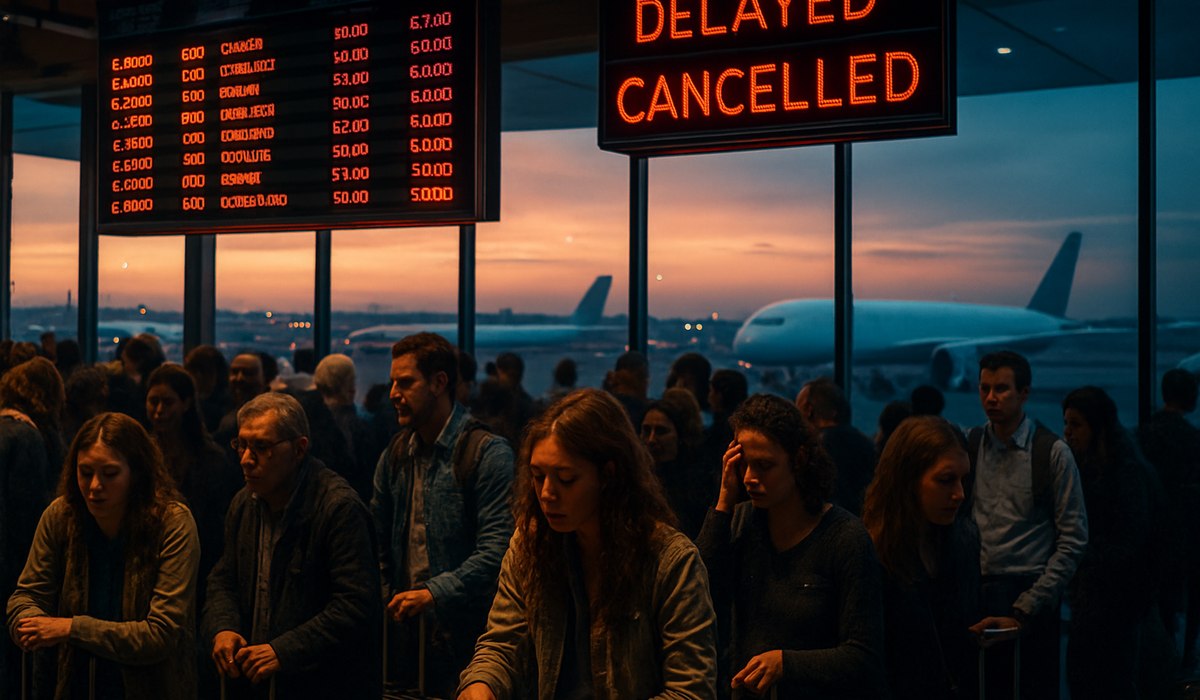
Image generated by AI
Australia's Major Airports Face Unprecedented April 12 Disruption
Sydney Airport and Melbourne Airport experienced significant operational strain on April 12, 2026, resulting in 29 flight cancellations and 183 delays across domestic and international services. The cascading disruption rippled through transpacific routes to Los Angeles and beyond, affecting thousands of passengers and stranding aircraft across multiple continents. A perfect convergence of severe weather, air traffic control bottlenecks, and crew rostering pressures created what aviation analysts describe as a compounding operational crisis that tested Australia's busiest aviation hubs to their limits.
Perfect Storm: Weather, ATC Bottlenecks and Operational Strain Converge
Adverse weather conditions across Australia's coastal corridors initiated the April 12 disruption, with heavy rain and wind affecting both Sydney and Melbourne airspace. These meteorological challenges forced air traffic control to implement strict flow restrictions, limiting the number of aircraft permitted to depart or arrive during each operational window. The reduced capacity meant queues formed rapidly on tarmacs and aprons, forcing ground controllers to hold aircraft and shuffle departure slots.
The situation intensified when crew rostering constraints became evident. Airlines operating from Sydney and Melbourne already maintained tight scheduling buffers with limited slack to accommodate weather delays or ATC restrictions. Once initial disruptions began accumulating, ground handling operations at congested terminals struggled to turn aircraft quickly, creating a domino effect of missed departure times and cascading delays. According to FlightAware tracking data, individual aircraft experienced delays exceeding four hours by midday.
Passengers reported extended queues at check-in counters, security checkpoints, and customer service desks as airlines attempted to manage rebooking for affected connections.
Domestic Carriers Hit Hardest as Crew and Aircraft Rosters Strain
Australia flight chaos affected all major domestic operators: Qantas, Virgin Australia, and Jetstar recorded the highest delay concentrations throughout April 12. Regional carriers also experienced secondary impacts when delays prevented crews from reaching scheduled assignments. The strain on aircraft rostering proved particularly acute, as a single aircraft delayed on one route prevented its deployment on subsequent legs.
International carriers relying on inbound domestic connections—including Singapore Airlines, Air New Zealand, and United Airlines services—also suffered disruptions. Their international departures faced scheduling conflicts when connecting passengers missed domestic feeders or when aircraft arrived late from disrupted domestic networks. Airlines employed several mitigation strategies: holding international flights to protect connections, rebooking passengers onto later services, and in some cases, deploying spare aircraft to resume schedules.
The crew rostering challenge extended beyond simple fatigue management. With strict aviation duty limits governing pilot and flight attendant working hours, delayed flights consumed crew time budgets, forcing some airlines to cancel subsequent flights rather than risk regulatory violations. This cascading crew constraint meant the April 12 disruption continued impacting schedules through April 13.
Global Ripple Effect Reaches Los Angeles and International Hubs
Sydney Airport's role as Australia's primary transpacific gateway meant Australia flight chaos immediately affected US-bound passengers and Los Angeles connections. Airlines operating Sydney-Los Angeles routes reported aircraft arriving 2–6 hours behind schedule, compressing turnaround windows and forcing departure delays for return flights.
Passengers who cleared domestic terminals late found themselves missing transpacific connections. While some airlines held departure flights to accommodate stranded connecting passengers, others departed on schedule, leaving behind travelers facing 24+ hour waits for next-available services. The Los Angeles impact extended to onward US domestic connections, multiplying journey delays for passengers with tight transfers.
Cargo operations sustained secondary impacts as well. Widebody aircraft carrying belly freight between Australia and Los Angeles experienced schedule changes, affecting time-sensitive shipments including perishables and e-commerce goods routed through North American distribution hubs. Some cargo was offloaded and rerouted via alternative carriers, increasing delivery times by 24–72 hours.
What Nomad Lawyers Need to Know: Travel Insurance and Rebooking Rights
Digital nomads and business travelers caught in Australia flight chaos possess specific passenger protection rights. Under US Department of Transportation rules, US-bound passengers experiencing cancellations receive rebooking on the next available flight at no extra charge. International passengers departing Australia may qualify for compensation under Australian Consumer Law if airlines failed to provide adequate notice.
Travel insurance policies vary significantly in coverage. Standard policies typically cover cancellation costs and reasonable accommodation during delays exceeding 12–24 hours, but often exclude weather-related disruptions classified as "acts of God." Nomads carrying premium policies with "missed connection" coverage often receive reimbursement for rebooking fees and additional travel expenses.
Document all expenses carefully. Retain receipts for meals, accommodation, ground transportation, and any out-of-pocket rebooking costs. Screenshot flight confirmation pages, delay notifications, and airline communications for claim submission later. Contact your travel insurance provider immediately to report disruption and determine coverage eligibility before incurring major expenses.
Key Data: April 12, 2026 Disruption Metrics
| Metric | Figure | Notes |
|---|---|---|
| Total Flight Cancellations | 29 | Across Sydney and Melbourne |
| Total Flight Delays | 183 | Average delay: 2–4 hours |
| Primary Airports Affected | Sydney, Melbourne | Australia's two busiest hubs |
| Weather Duration | ~8 hours | Morning through early afternoon |
| ATC Flow Restrictions | Active 6:00 AM–3:00 PM AEST | Capacity reduced 30–40% |
| Estimated Passengers Impacted | 47,000+ | Including missed connections |
| Transpacific Route Delays | Average 3–5 hours | Sydney-Los Angeles services affected |
Traveler Action Checklist
-
Check flight status immediately – Visit your airline's app or FlightAware to confirm departure times and gate assignments before heading to the airport.
-
Contact your airline for rebooking options – Call customer service directly rather than relying on email; phone agents access real-time inventory and can immediately rebook you on alternative flights or carriers.
-
Document all expenses – Photograph and retain receipts for meals, accommodation, ground transportation, and any services purchased during the delay for insurance claims or compensation requests.
-
Verify travel insurance coverage – Review your policy documents or contact your provider to confirm coverage limits for weather delays, cancellations, and missed connections.
-
Review passenger rights – Consult the US DOT website for US-bound passenger protections and Australian Consumer Law resources for domestic Australian services.
-
Monitor airport communications – Monitor airport displays, airline SMS notifications, and official websites for gate changes and revised departure times throughout the day.
-
Arrange accommodation if necessary – Most airlines provide meal and hotel vouchers for weather-related delays exceeding 12+ hours; request these at customer service desks.
-
Follow up on compensation claims – Within 30 days, submit formal compensation claims to airlines with supporting documentation for covered disruptions.
Frequently Asked Questions
What caused Australia flight chaos on April 12?
A convergence of severe coastal weather, air traffic control flow restrictions limiting departure capacity, and crew rostering constraints created cascading delays. Weather subsided by early afternoon, but aircraft and crew positioning delays continued affecting schedules throughout April 12 and into April 13.
Will I receive compensation for my delayed or canceled flight?
US-bound passengers qualify for rebooking at no charge under Department of Transportation rules. International passengers may claim compensation under Australian Consumer Law if airlines failed to provide adequate delay notice. Weather-related cancellations typically exclude compensation but guarantee rebooking on next-available services.
**How do I track my flight status during disruptions?
Disclaimer
This article is for informational and educational purposes only. It does not constitute legal, financial, or professional advice. While we strive to provide accurate and up-to-date information, travel policies, regulations, and conditions change rapidly. Always verify information with official sources before making travel decisions. Nomad Lawyer makes no representations about the accuracy, reliability, completeness, or suitability of the information provided. Readers should consult qualified professionals for advice specific to their circumstances. The views expressed in this article are those of the author and do not necessarily reflect the views of Nomad Lawyer.
Kunal K Choudhary
Co-Founder & Contributor
A passionate traveller and tech enthusiast. Kunal contributes to the vision and growth of Nomad Lawyer, bringing fresh perspectives and driving the community forward.
Learn more about our team →