
Australia Cruise Tourism Sector Posts 10% Passenger Growth in 2026
Australia Cruise Tourism Sector Posts 10% Passenger Growth in 2026

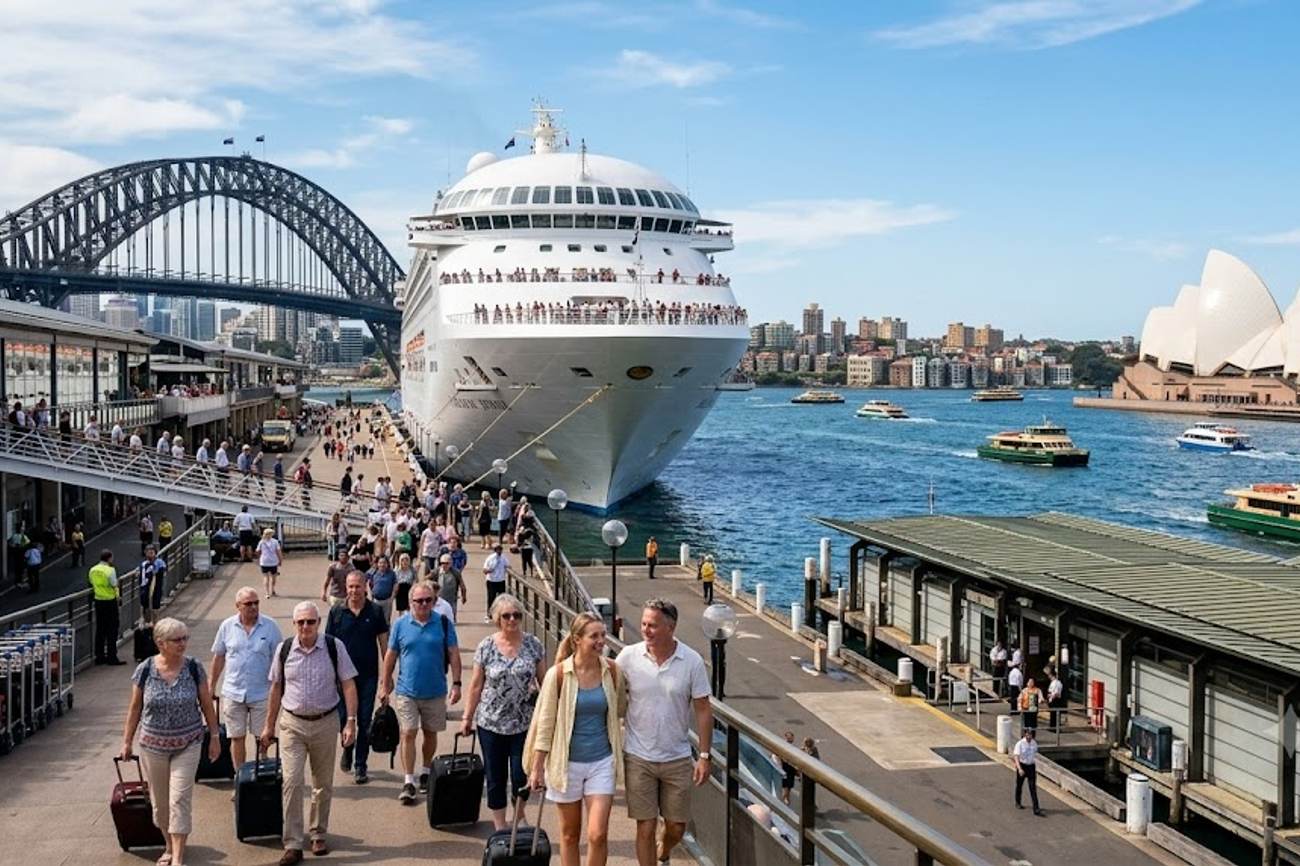
Image generated by AI
[Sydney, October 2026] — Australia has ascended to the position of the world's fourth-largest cruise market after recording a record-breaking 1.45 million passengers in the preceding year. This represents a nearly 10% surge in traveler volume, shattering the previous pre-pandemic peak of 1.35 million passengers recorded in 2018.
The growth is driven by a shift in consumer behavior where fixed-price cruise packages have become an attractive hedge against macroeconomic cost-of-living pressures. However, this demand spike coincides with a critical supply-side contraction. While more Australians are cruising than ever before, international operators are reducing the number of vessels homeporting in Australian waters due to escalating port fees and rigid regulatory frameworks.
The Regulatory Squeeze on Capacity
The immediate trigger for the current industry instability is a widening gap between consumer appetite and operational viability. While the Cruise Lines International Association (CLIA) reports a 9.5% year-on-year increase in passengers, the actual number of ships deployed locally is shrinking.
Major operators, including Carnival Australia, have publicly signaled strategic reductions in their Australian presence. These decisions are not based on a lack of customers, but on the increasing cost of doing business within the region. Specifically, the industry is grappling with:
- Prohibitive Port Costs: Australia currently maintains some of the highest port fees in the entire Asia-Pacific region, making it less competitive compared to neighboring hubs.
- Administrative Friction: Onerous regulations and complex border force requirements are complicating the logistics of vessel deployment.
- Labor Standards: Stringent maritime labor conventions have increased the overhead for international lines operating in Australian jurisdictions.
These factors have created a paradox: the market is expanding in popularity but contracting in local infrastructure, forcing a significant portion of the domestic market to seek vacations outside of Australian waters.
Market Segmentation and Passenger Volume
The 1.45 million total passengers are split between two distinct travel behaviors, revealing a sharp divide in how Australians are consuming cruise products in 2026.
| Segment | Passenger Count | Year-on-Year Growth | Primary Destinations |
|---|---|---|---|
| Regional Cruising | 1.16 Million | 8% | Australia, New Zealand, South Pacific |
| Long-Haul Outbound | 286,000 | 17% | International/Global Markets |
| Total Market | 1.45 Million | ~10% | Global |
The most aggressive growth is occurring in the long-haul outbound sector. With a 17% increase, more Australians are bypassing local ports entirely to begin their voyages overseas. This trend suggests that while the "cruise habit" is deeply ingrained in the national consciousness—with more than one in twenty Australians now having cruised—the local industry is failing to capture the full value of this demand.
Practical Traveler Advisory and Strategic Insights
For the average passenger booking a trip in late 2026, the current industry volatility translates into several practical impacts:
The projected growth in passenger volume is supported by expanded port infrastructure and strategic partnerships across major coastal hubs. Travelers are encouraged to review current entry requirements and visa regulations via the Australian Department of Home Affairs to ensure seamless boarding and customs clearance.
Reduced Local Availability: With fewer ships homeporting in Sydney and Melbourne, passengers may find fewer departure dates and limited ship choices for cruises starting within Australia. This likely leads to faster sell-out rates for popular regional itineraries.
Increased Ticket Prices: As operators face higher port fees and regulatory costs, these expenses are frequently passed down to the consumer. Travelers should expect higher base fares for cruises departing from Australian ports.
Shift Toward International Departures: Because outbound growth (17%) is outpacing regional growth (8%), more travelers are opting for "fly-cruise" packages. This means booking a flight to a foreign hub to board a ship, which may offer better value or more modern vessels than those currently deployed in the South Pacific.
Diversified Port Options: To combat bottlenecks in major hubs, there is a push toward decentralized porting. Travelers may see more itineraries stopping at smaller, secondary ports across New South Wales, Queensland, and Victoria.
Policy Reforms and Future Competitiveness
The Australian government and maritime authorities are now under pressure to reform the Australian Maritime Safety Authority (AMSA) guidelines and the International Cruising Ships Security plan to prevent further capacity loss. The goal is to align local regulations with global standards to ensure Australia remains an attractive destination for the world's largest cruise lines.
The competition between state governments in Victoria, Queensland, and New South Wales remains intense, as each seeks to capture the massive financial injections provided by "floating resorts." However, industry bodies like the Australian Cruise Association (ACA) warn that without a unified national approach to reducing port fees and streamlining border regulations, the trend of vessel redeployment to "more favorable market conditions" will continue.
The industry is currently at a crossroads. If policy recommendations regarding marine policy and security plans are adopted, Australia could leverage its status as the world's fourth-largest market to attract more tonnage. If fees remain high, the country risks becoming a "source market" only—where Australians provide the passengers, but other nations provide the ports and the profit.
FAQ: Australia Cruise Market 2026
Why are cruise prices increasing despite more people cruising? Costs are rising because cruise lines are facing higher port fees and more expensive regulatory compliance in Australia. To maintain profit margins, operators pass these operational overheads directly to the passengers via higher ticket prices.
Is it better to book a cruise departing from Australia or overseas? Currently, long-haul outbound cruises are growing faster (17%) than local ones. Travelers may find more modern ships and better value by flying to international hubs, as some operators are reducing their local Australian deployments.
Which countries have larger cruise markets than Australia? Australia is currently the fourth-largest market globally. It trails the United States (20.56 million passengers), Germany (2.83 million), and the United Kingdom (2.47 million).
Are there more options for ports outside of Sydney and Melbourne? Yes. The industry is moving toward a decentralized approach to avoid bottlenecks in major cities, meaning more ships are utilizing secondary ports across Queensland, Victoria, and New South Wales.
Australia is sailing toward a record peak, but the shore is getting more expensive to touch.
Related Travel Guides
- Carnival Cruise Line Expands Galveston Program with New Short Caribbean and Bahamas Voyages Aboard Carnival Jubilee for 2028-29
- Masirah Island Kitesurfing Finale: Why You Need to Visit Oman’s Wind Paradise Now
- Italy Cruise Travel Boom: Costa Cruises Unlocks Big Savings Across Mediterranean and Caribbean Voyages
Disclaimer
This article is for informational and educational purposes only. It does not constitute legal, financial, or professional advice. While we strive to provide accurate and up-to-date information, travel policies, regulations, and conditions change rapidly. Always verify information with official sources before making travel decisions. Nomad Lawyer makes no representations about the accuracy, reliability, completeness, or suitability of the information provided. Readers should consult qualified professionals for advice specific to their circumstances. The views expressed in this article are those of the author and do not necessarily reflect the views of Nomad Lawyer.
Naina Thakur
Contributor & Travel Specialist
Travel enthusiast and legal writer covering visa regulations, responsible tourism, and cultural journeys across global destinations.
Learn more about our team →