
Aurora Expeditions Antarctic Season 2026-27 Brings 27 Polar Voyages With Wildlife Exploration and Science at Sea
Aurora Expeditions Antarctic Season 2026-27 Brings 27 Polar Voyages With Wildlife Exploration and Science at Sea

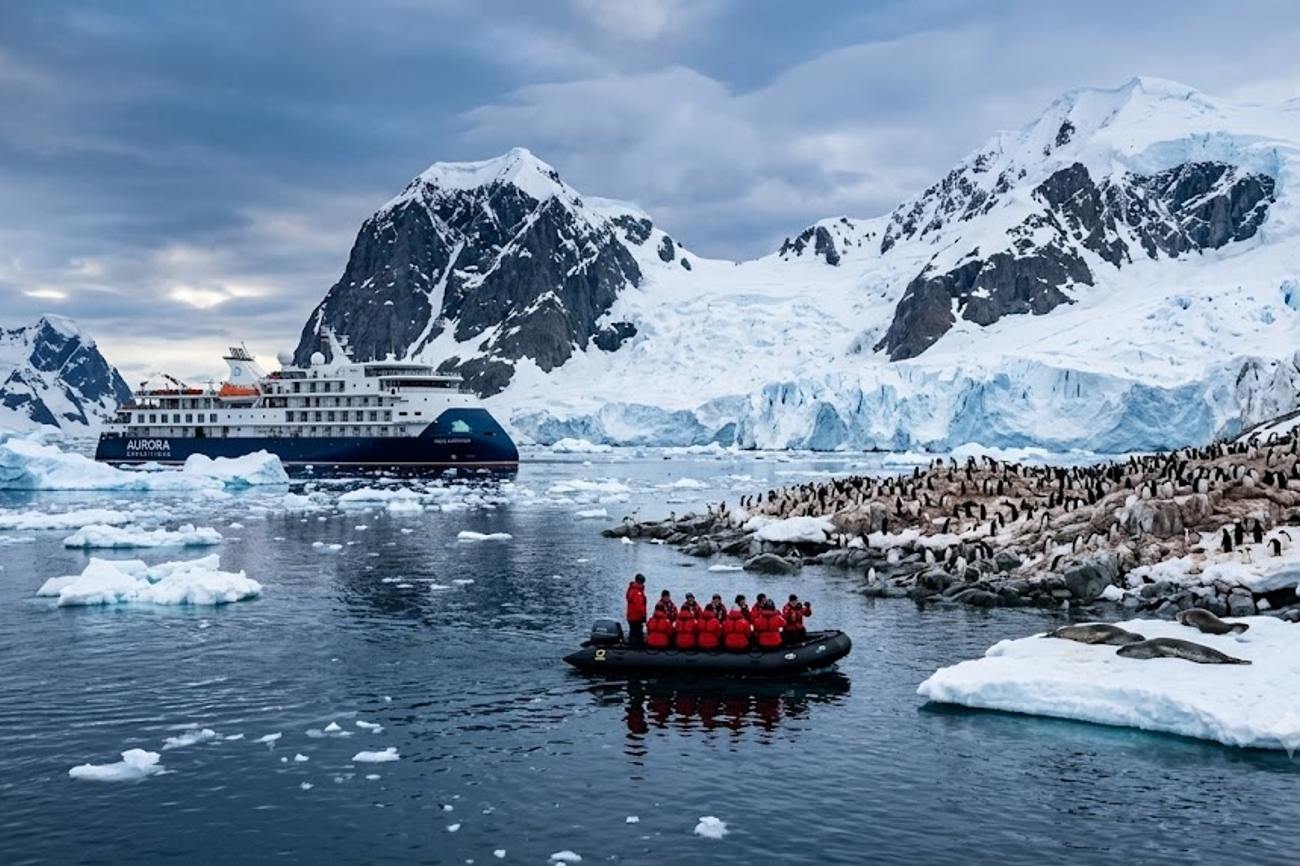
Image generated by AI
[Hobart, October 2024] — Aurora Expeditions has unveiled its 2026-27 Antarctic season, pivoting its operational model to integrate active scientific research directly into passenger itineraries. The operator will deploy three specialized expedition vessels to conduct 27 voyages across the Southern Ocean, transforming traditional polar tourism into a hybrid of exploration and field science.
The upcoming season marks a strategic shift for the company, which will now utilize 11 of its voyages as active research platforms. A cohort of 18 scientists will be embedded within these journeys to execute five distinct research projects. These operations will span the most remote sectors of the frozen continent, including the Ross Sea and East Antarctica, moving beyond the standard tourist corridors of the Antarctic Peninsula.
The Integration of Polar Science
The primary driver for this season's structure is the convergence of high-end adventure travel and environmental conservation. Aurora Expeditions is moving away from the "vacation cruise" archetype, instead positioning its fleet as mobile research bases. This model allows the company to leverage its logistics to support academic institutions and environmental agencies that often struggle with the extreme costs of Antarctic deployment.
The scientific component is not merely observational; it involves active data collection in real-time. By integrating researchers into the passenger experience, the operator aims to educate travelers on the fragility of the polar ecosystem while simultaneously contributing to global climate and biological databases. This approach aligns with broader trends monitored by the International Association of Antarctica Tour Operators (IAATO), which emphasizes the necessity of minimizing human impact while maximizing the educational value of polar visits.
Affected Travelers, Airlines and Logistics
The 2026-27 schedule impacts a specific segment of the luxury adventure market, specifically those seeking "citizen science" opportunities. The operational footprint is detailed below:
Fleet Deployment and Capacity
- Greg Mortimer: Dedicated to Antarctic expedition voyages.
- Sylvia Earle: Primary vessel for polar exploration and science-heavy itineraries.
- Douglas Mawson: Focused on Antarctic expedition voyages.
Voyage Metrics
- Total Expeditions: 27
- Research-Integrated Voyages: 11
- Scientific Personnel: 18 experts
- Active Research Projects: 5
- Duration Range: 9 to 34 days
Geographic Reach
- The Antarctic Peninsula: Standard ice landscapes and wildlife hubs.
- The Antarctic Circle: Routes extending beyond traditional tourist boundaries.
- Weddell Sea: High-latitude, remote polar environments.
- South Georgia & Falkland Islands: Sub-Antarctic biodiversity hotspots.
- Ross Sea & East Antarctica: The most isolated wilderness regions of the continent.
Practical Traveler Advisory and Strategic Insights
For the passenger, the "science-first" approach fundamentally alters the onboard experience. Rather than relying solely on a cruise director or a general guide, travelers on the 11 research-integrated voyages will have direct access to field scientists.
Direct Impact on the Passenger Experience:
- Access to Rare Data: Passengers will witness the actual methodology of polar research, including how whale populations are monitored and how penguin breeding colonies are surveyed.
- Educational Depth: The journey shifts from sight-seeing to a structured learning experience. Travelers will receive briefings on marine biodiversity and the environmental impacts of climate change directly from the source.
- Remote Access: Because these voyages are tied to research goals, passengers may find themselves in more remote regions, such as East Antarctica, which are rarely visited by conventional cruise lines.
- Conservation Engagement: Travelers are no longer passive observers; they are positioned as witnesses to the fragility of the ecosystem, potentially influencing their post-trip conservation habits.
The Scientific Framework and Partnerships
The 2026-27 season is underpinned by collaborations with prestigious global academic and research bodies. The data collected during these voyages will be funneled back to institutions including the University of Tasmania and the Museum of New Zealand Te Papa Tongarewa.
The research is divided into five critical focus areas:
- Whale Ecology: Analyzing the behavior, health, and migratory patterns of Southern Ocean cetaceans.
- Penguin Monitoring: Tracking population fluctuations and breeding success rates.
- Wildlife Health: Investigating the prevalence of diseases and the impact of environmental stressors on local species.
- Marine Biodiversity: Conducting comprehensive surveys of underwater ecosystems to catalog species distribution.
- Deep-Sea Exploration: Utilizing specialized equipment to study rare, deep-water species, including the colossal squid.
This partnership model ensures that the presence of tourists in these sensitive areas provides a tangible benefit to the scientific community, offsetting the carbon and physical footprint of the vessels.
The Evolution of Polar Tourism
The growth of Aurora’s science-based model reflects a broader shift in the global travel industry. Modern "nomad" travelers are increasingly rejecting mass-market tourism in favor of "meaningful travel." This trend is characterized by a demand for authenticity, expert-led instruction, and a commitment to sustainability.
Antarctica remains one of the most difficult destinations on Earth to access due to its extreme weather and the strict regulations imposed by the Antarctic Treaty System. By pivoting toward a research-centric model, Aurora Expeditions is catering to a demographic that views travel as a form of continuing education. The transition from "cruise" to "expedition" is a critical distinction; while a cruise emphasizes the vessel and the amenities, an expedition emphasizes the destination and the discovery.
As the 2026-27 season approaches, the industry will be watching to see if this hybrid model of "tourism-funded science" becomes the gold standard for polar operations. If successful, it could lead to more collaborations between commercial operators and government agencies, potentially increasing the volume of data collected from the most inaccessible parts of the planet.
FAQ: Aurora Antarctic Season 2026-27
Do I need a science background to join these voyages? No. The research projects are designed to be inclusive. Scientists onboard are tasked with translating complex data into accessible information for passengers, regardless of their academic background.
Which ships are best for those interested in research? While all three ships operate in the region, the Sylvia Earle is specifically highlighted for science-focused journeys and polar exploration.
How long are the trips for the 2026-27 season? Voyage durations vary significantly depending on the destination, ranging from short 9-day excursions to comprehensive 34-day expeditions.
What wildlife can I expect to see? Depending on the route, passengers will encounter whales, various penguin species, and diverse marine life, with specific focus on deep-sea species during research-heavy legs.
The line between luxury travel and planetary research continues to blur in the Southern Ocean.
Related Travel Guides
- Vasco da Gama World Cruise Adds Fuel Surcharge as Long Global Voyage Prepares to Sail Across Three Oceans
- Best Vacation Rentals Near Flamenco Beach Culebra Puerto Rico 2026: Local Guide to Staying in Paradise
- Vieques Vacation Rental Guide 2026: Logistics for Beach Houses, Pool Villas, and Hilltop Stays
Disclaimer
This article is for informational and educational purposes only. It does not constitute legal, financial, or professional advice. While we strive to provide accurate and up-to-date information, travel policies, regulations, and conditions change rapidly. Always verify information with official sources before making travel decisions. Nomad Lawyer makes no representations about the accuracy, reliability, completeness, or suitability of the information provided. Readers should consult qualified professionals for advice specific to their circumstances. The views expressed in this article are those of the author and do not necessarily reflect the views of Nomad Lawyer.
Kunal K Choudhary
Co-Founder & Contributor
A passionate traveller and tech enthusiast. Kunal contributes to the vision and growth of Nomad Lawyer, bringing fresh perspectives and driving the community forward.
Learn more about our team →