
US Astrotourism Grows as Rare 2026 Solar Eclipse Draws Stargazers
A rare solar eclipse on August 12, 2026, is driving U.S. astrotourism, with Alaska emerging as the premier domestic destination for viewing.
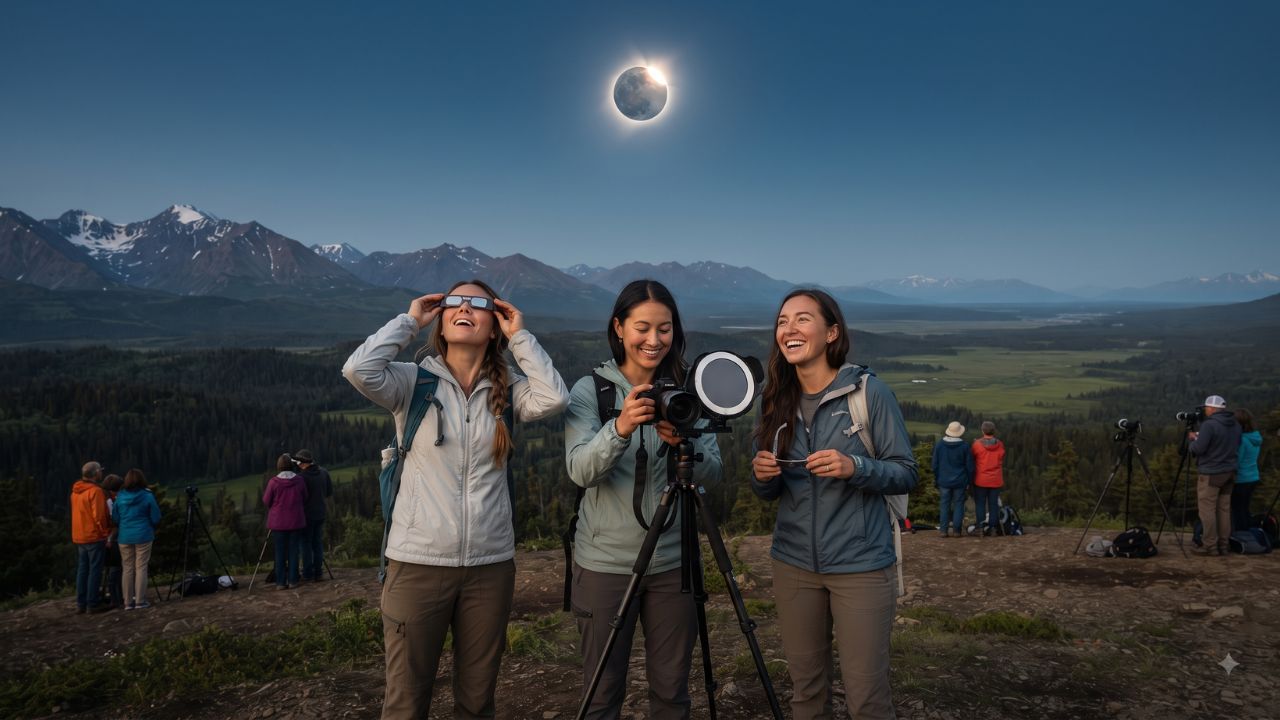
Image generated by AI
Spurring a wave of astrotourism across northern states as stargazers converge on optimal viewing locations from Alaska to New England, the solar eclipse of August 12, 2026, has captured global attention.
The Core Transit Update
Aviation charters and wilderness campground corridors in the United States are managing a surge in astronomy-driven travel. On August 12, 2026, a total solar eclipse will sweep across Greenland, Iceland, northern Russia, the Atlantic Ocean, Spain, and parts of Portugal.
Although the path of totality remains outside the continental United States, northern and eastern states will experience a partial solar eclipse. Alaska serves as the premier domestic viewing destination due to its high latitude, with cities like Anchorage and Fairbanks preparing for high visitor arrivals. According to NASA and the National Park Service, other viewing zones include Wisconsin, Vermont, Ohio, Pennsylvania, Connecticut, Delaware, Virginia, West Virginia, and North Carolina.
Eclipse Visibility & Regional Viewing Spots
Observing celestial events requires selecting destinations with low light pollution and tracking visibility percentages. The following tables outline the global visibility corridors and analyze the best viewing zones across the United States.
| Eclipse Viewing Destination | Geographical Visibility Type | Primary Sky Watching Appeal | Key Local Infrastructure |
|---|---|---|---|
| Spain, Portugal, Iceland | Total Solar Eclipse (Totality) | 100% daytime darkness | Dark-sky reserves & tourism hubs |
| Alaska (Anchorage, Fairbanks) | Partial Solar Eclipse (Strongest US) | High solar disk coverage | Mountain wilderness & parks |
| Northern & Eastern US States | Partial Solar Eclipse (Moderate) | Solar crescent viewing | National parks & rural campsites |
Global solar eclipse visibility parameters (August 12, 2026).
| US State / Viewing Area | Relative Visibility Strength | Recommended Viewing Environment | Primary Outdoor Co-Attraction |
|---|---|---|---|
| Alaska | High | Dark-sky reserves / wilderness | Glaciers, mountains, wildlife |
| Vermont, Wisconsin, Ohio | Moderate | State parks / rural open fields | Great Lakes, hiking trails |
| Pennsylvania, Connecticut | Moderate to Low | Open landscapes / national parks | Susquehanna Valley, state forests |
| NC, Virginia, WV, Delaware | Low to Moderate | Coastal beaches / mountain peaks | Appalachian trails, coastlines |
U.S. solar eclipse viewing locations and outdoor opportunities.
Traveler Logistics Guide
From a ground-level perspective, the best way to navigate this is to secure certified solar viewing glasses matching ISO 12312-2 standards well before the event, as the National Park Service warns that standard sunglasses do not block harmful solar radiation and viewing the sun directly can cause permanent eye damage. Checking equipment specifications is recommended.
To plan your astrotourism trip:
- Leverage National Park Dark Skies: Choose viewing sites in national parks or state forests that maintain active dark-sky programs, as these locations are far from urban light pollution.
- Confirm Alaska Travel Links: Anchorage and Fairbanks are primary entry points. Use regional rail lines (Alaska Railroad) to transit to remote wilderness viewing camps.
- Deploy Specialized Camera Filters: If you are photographing the partial phases, install solar filters over your camera lens, telescope, or binoculars to protect optical sensors.
- Combine Nature with Astronomy: Maximize your trip by booking glacier tours in Alaska, hiking in Vermont's Green Mountains, or camping in Ohio's state parks before the eclipse.
Infrastructure Impact Assessment
The development of astrotourism supports the growth of seasonal travel economies in rural and remote regions.
By utilizing dark-sky parks to attract international researchers and hobbyist stargazers, destinations like Alaska, Vermont, and Wisconsin offset domestic leisure declines, distribute visitor spending to small-town retailers, and raise awareness for national environmental conservation programs.
Related Travel Guides
Pennsylvania Tourism Rises as Knoebels Leads Affordable Travel
Shravani Mela 2026 Deoghar Travel Tips and Logistics Guide
10 Best Travel Tips for Planning Astrotourism Trips, Booking Dark-Sky Campsites, and Safely Viewing Solar Eclipses in the United States, According to Reddit
Disclaimer
This article is for informational and educational purposes only. It does not constitute legal, financial, or professional advice. While we strive to provide accurate and up-to-date information, travel policies, regulations, and conditions change rapidly. Always verify information with official sources before making travel decisions. Nomad Lawyer makes no representations about the accuracy, reliability, completeness, or suitability of the information provided. Readers should consult qualified professionals for advice specific to their circumstances. The views expressed in this article are those of the author and do not necessarily reflect the views of Nomad Lawyer.