
Kazakhstan's Game-Changing Light Rail Launch Reshapes Central Asia Tourism
Astana's first light rail system debuts, transforming urban mobility and positioning Kazakhstan as Central Asia's emerging tourism powerhouse with enhanced connectivity across major destinations.

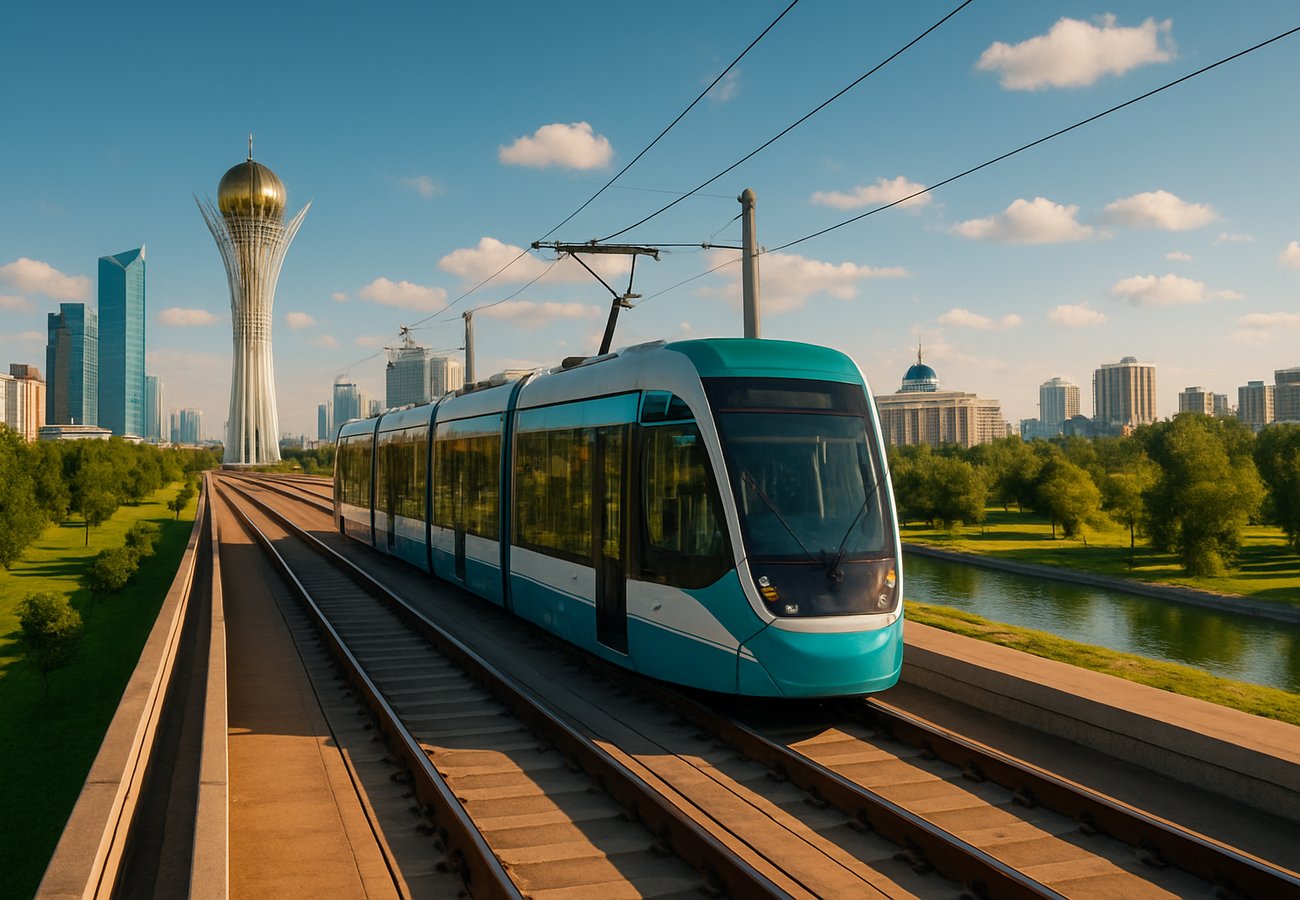
Image generated by AI
Kazakhstan just made a major play for Central Asian tourism dominance. On May 16, 2026, President Kassym-Jomart Tokayev inaugurated Astana's first Light Rail Transit (LRT) system—the country's first modern public rail network. This isn't just about moving commuters. This infrastructure pivot signals something bigger: Kazakhstan is positioning itself as a serious regional destination, and tourism operators should be paying attention.
A Transportation Milestone Reshapes Visitor Experience
The launch of the Astana Light Rail Transit system marks a watershed moment for Kazakhstan's infrastructure ambitions. For decades, the capital relied on road-based transportation—a constraint that frustrated both residents and visiting business travelers alike. That changes now.
The new LRT network provides seamless mobility across the sprawling capital, cutting travel times between hotels, business districts, cultural attractions, and international gateways. For first-time visitors arriving via air, this matters enormously. Efficient urban transit directly correlates with tourism satisfaction and spending—data consistently shows travelers visit more attractions when transportation friction drops.
Reddit: "Just landed in Astana—the light rail is a game-changer. Got from the airport to my hotel in 20 minutes instead of 90 by taxi." — r/travel
Why This Matters for Kazakhstan's Tourism Strategy
Astana has transformed dramatically since 1997, evolving from a regional city into one of Central Asia's most modern capitals. The city now hosts major international conferences, business exhibitions, sporting events, and diplomatic gatherings. But infrastructure was the weak link.
Visitors typically use Astana as a gateway to explore Kazakhstan's broader tourism portfolio—branching out to Almaty (the cultural heart with stunning mountain access), Turkistan (UNESCO World Heritage sites and Islamic heritage), Burabay National Park (pristine lakes and nature reserves), and emerging leisure destinations. Poor connectivity within the capital previously created friction that discouraged longer stays and multi-city exploration.
The LRT system directly addresses this bottleneck. Convenient public transit encourages visitors to extend trips, explore neighborhoods beyond main tourist zones, and spend more at restaurants, museums, and attractions. This multiplier effect should boost overall tourism revenue across the capital and surrounding regions.
The Sustainability Angle Attracts Modern Travelers
Contemporary travelers increasingly factor environmental impact into destination choices—especially younger demographics and business travelers from Western Europe and North America. Light rail systems represent the gold standard in sustainable urban mobility, reducing carbon footprint per passenger mile compared to road-based alternatives.
Kazakhstan's investment in modern transit infrastructure signals long-term commitment to environmentally conscious development. This positioning matters for destination marketing, particularly when competing for premium leisure and business segments.
The LRT system also enables efficient crowd management during peak seasons and major events. Rather than overwhelming existing road infrastructure, the rail network distributes visitor traffic across multiple corridors, creating a more organized and pleasant experience across the city.
Astana's Tourism Assets Get a Connectivity Boost
The capital has invested heavily in world-class attractions designed to compete with regional competitors. The Bayterek Tower remains an iconic vertical landmark offering panoramic city views. The Palace of Peace and Reconciliation hosts cultural events and conferences. The National Museum of Kazakhstan showcases Central Asian history and archaeology. The Astana Opera House delivers world-class performances.
These attractions previously required complex taxi negotiations or expensive private car services for visitors unfamiliar with the city. The LRT changes that calculation dramatically. A visitor with a transit card can move independently between attractions, reducing transportation costs and increasing the number of destinations accessible within a given timeframe.
Modern, walkable urban districts with convenient transit options create the "flânerie effect"—unplanned discoveries, spontaneous dining experiences, and authentic neighborhood exploration. This psychology of movement directly drives tourism spending and visitor satisfaction metrics.
What Phase Two Could Mean for Regional Connectivity
The inauguration represents phase one of what Astana planners envision as an expanding network. Future phases could eventually extend connections beyond the capital toward neighboring regions, potentially creating the Central Asian equivalent of regional rail systems found in Europe or East Asia.
This expansion would represent a strategic repositioning for Kazakhstan tourism. Rather than siloed city destinations, integrated rail connectivity would enable multi-city packages that keep visitors in-country longer and distribute tourism revenue across a broader geographic footprint.
Early-stage infrastructure like this often precedes broader tourism development. Look at how regional rail systems in Vietnam, Turkey, and Central Europe catalyzed tourism growth once connectivity improved and visitor confidence in independent travel increased.
The Competitive Implications for Central Asia
Kazakhstan faces intense competition from neighboring Kyrgyzstan, Tajikistan, and Uzbekistan for the region's tourism traffic. Uzbekistan has aggressively invested in rail infrastructure and destination marketing. Kyrgyzstan attracts adventure travelers through mountain access and tourism ease. Kazakhstan has historically underperformed relative to its natural and cultural assets, partly because infrastructure development lagged behind neighboring competitors.
The Astana LRT represents a credible signal that Kazakhstan is serious about competing. Infrastructure investments trigger a cascade of follow-on investments—hospitality upgrades, restaurant and retail development, aviation expansion, and international marketing acceleration. Tourism industry operators watching the space will likely begin planning Kazakhstan itineraries once the infrastructure proves reliable.
The timing aligns with broader Central Asian tourism trends. As Europe becomes increasingly crowded and expensive, savvy travelers seek authentic experiences in emerging destinations. Kazakhstan offers dramatic mountain scenery, rich Silk Road history, cosmopolitan urban centers, and significantly lower costs than Western alternatives. Infrastructure like the Astana LRT removes a critical friction point for visitors considering the destination.
The Bottom Line for Travel Industry Players
For travel agents, tour operators, and hospitality investors, the Astana LRT launch signals opportunity. This infrastructure project de-risks Kazakhstan travel packages by reducing transit uncertainty and enabling independent visitor mobility. Expect increased international flight connections to Astana, expanded hotel development, and premium destination positioning over the next 18-24 months.
The system represents more than transportation engineering—it's a statement about Kazakhstan's commitment to modernization and visitor experience. Those betting on Central Asian tourism growth should track this development closely.
The infrastructure race for Central Asian tourism supremacy just got serious.
Related Travel Guides
Disclaimer
This article is for informational and educational purposes only. It does not constitute legal, financial, or professional advice. While we strive to provide accurate and up-to-date information, travel policies, regulations, and conditions change rapidly. Always verify information with official sources before making travel decisions. Nomad Lawyer makes no representations about the accuracy, reliability, completeness, or suitability of the information provided. Readers should consult qualified professionals for advice specific to their circumstances. The views expressed in this article are those of the author and do not necessarily reflect the views of Nomad Lawyer.
Preeti Gunjan
Contributor & Community Manager
A passionate traveller and community builder. Preeti helps grow the Nomad Lawyer community, fostering engagement and bringing the reader experience to life.
Learn more about our team →