
Asia Flight Chaos: 23 Cancellations, 483 Delays Strand Thousands in 2026
Asia flight chaos intensifies as 23 cancellations and 483 delays ripple through Bangkok, Tokyo, and Singapore in April 2026, stranding thousands and disrupting regional travel networks amid geopolitical tensions and fuel cost pressures.

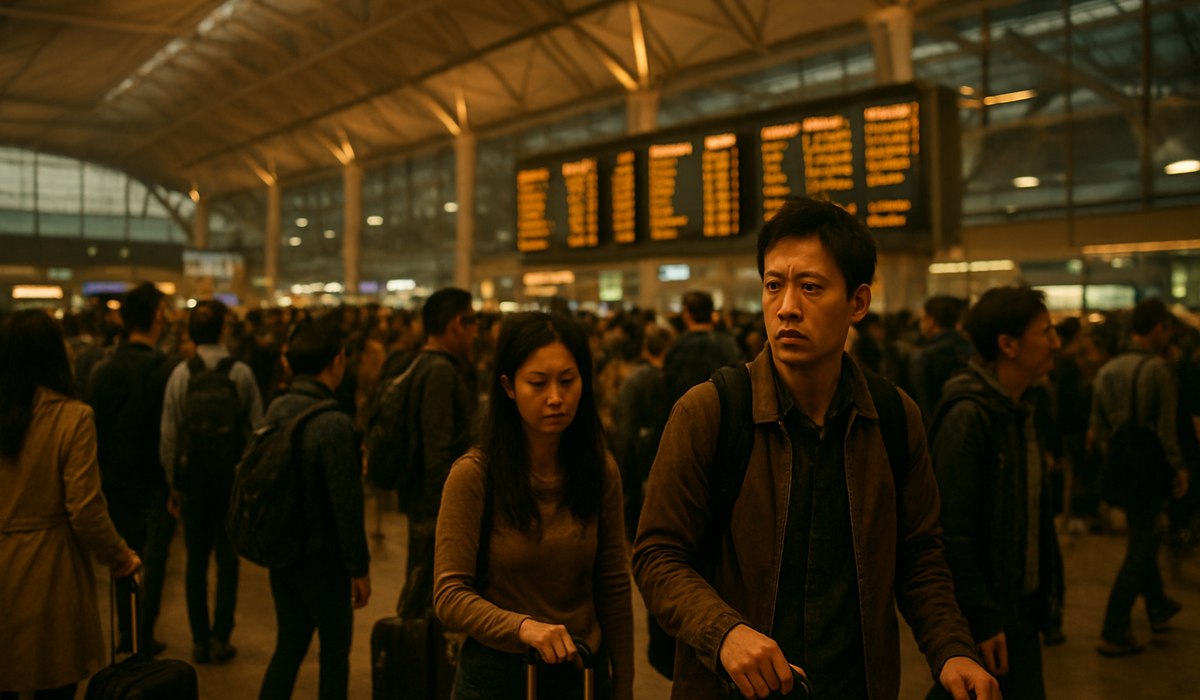
Image generated by AI
Asia Flight Chaos Disrupts Travel Across Major Regional Hubs
Thousands of passengers face mounting disruptions as 23 flight cancellations and 483 delays ripple through Asia's busiest international gateways. The latest wave of aviation turbulence struck major airports including Bangkok's Suvarnabhumi, Tokyo's Narita and Haneda, Singapore Changi, and Kuala Lumpur International on April 26, 2026. This Asia flight chaos represents a significant operational crisis for both full-service and low-cost carriers operating across Southeast Asia and East Asia, creating cascading delays that extended well into evening operations. The disruption came at a critical juncture when regional travel demand remained exceptionally strong, with load factors on Asia-Pacific routes running at elevated levels. Even this relatively modest number of cancellations proved catastrophic for passengers seeking alternative seats, as airlines had minimal spare capacity to accommodate stranded travelers.
Fresh Disruption Across Key Asian Hubs
Flight-tracking data and regional airport operators confirmed that the latest Asia flight chaos concentrated on several mission-critical aviation corridors. Bangkok emerged as an epicenter, with Thai Airways International and budget carriers experiencing schedule adjustments throughout the morning and afternoon. Singapore Changi reported cascading delays affecting departures to both regional and long-haul destinations. Tokyo's dual airports—Narita and Haneda—struggled with arrival backlogs that compressed available departure slots for subsequent flights.
Carriers including ANA, JAL, Singapore Airlines, Malaysia Airlines, and regional low-cost operators adjusted timetables repeatedly, trimming frequencies on routes with lighter bookings while protecting premium long-haul services. Aircraft and crew positioning became increasingly problematic as the day progressed, with secondary airports absorbing diversion traffic. Real-time schedule changes continued into evening peak hours, suggesting the 23 cancellations and 483 delays represented only a partial snapshot of evolving disruption.
For travelers monitoring disruptions, FlightAware provided real-time tracking updates, while individual airlines issued service advisories through official channels.
Airlines Adjust Schedules Amid Operational Challenges
Regional carriers adopted a reactive approach to Asia flight chaos, choosing to accept widespread lateness rather than implement aggressive preemptive cancellations. This strategy preserved potential revenue but created frustration for passengers experiencing hour-long delays that unfolded in small increments.
Airlines prioritized long-haul and premium-cabin services, viewing these routes as essential revenue generators. However, this approach starved regional networks of capacity, with high-demand routes to secondary cities receiving reduced frequencies. Crew duty-time regulations further constrained flexibility—when inbound flights ran late, scheduled crews "timed out" under safety protocols, leaving aircraft without legal flight crews.
Maintenance backlogs at regional bases compounded scheduling challenges. Many carriers were still rebuilding pilot and cabin crew resources following pandemic-era staffing reductions, leaving minimal surge capacity during disruption events.
Ripple Effects on Regional Travel Networks
The Asia flight chaos generated unprecedented passenger displacement across Southeast and East Asian airports. Missed connections cascaded through hub operations, with passengers originally destined for secondary cities increasingly rerouted through alternate carriers or completely bumped to following days.
Airport congestion intensified as queues formed at rebooking counters, with airline staff overwhelmed by the volume of disrupted passengers. Terminal restaurants and lounges operated at capacity as travelers endured extended waits between schedule adjustments.
Cross-border implications emerged quickly. Passengers originally flying Bangkok-Singapore-Hong Kong faced disruption across multiple legs, as late arrivals compressed connections and triggered secondary cancellations. Regional loyalty programs became critical as stranded passengers sought airline communication about alternative routing options.
Secondary airports including Chiang Mai, Phuket, and Penang experienced unexpected demand surges as airlines diverted arriving aircraft away from congested primary hubs, creating local accommodation pressures.
Middle East Conflict and Fuel Cost Impacts
Global geopolitical tensions created the underlying vulnerability that Asia flight chaos exploited. Ongoing conflict involving Iran and regional powers had forced closure and restriction of critical Middle Eastern airspace corridors, compelling long-haul carriers to implement extended routing patterns around affected zones.
These rerouted flight paths increased fuel consumption and flight duration, reducing schedule resilience across airline networks. Carriers operating Europe-to-Asia services were forced into extended great-circle routes, consuming additional crew duty time and increasing overall operating costs.
Elevated jet fuel prices amplified airline cost pressures, prompting carriers to trim marginal regional services and consolidate frequencies. This contraction in network capacity meant that localized operational problems cascaded more severely—fewer spare aircraft and crews existed to absorb displaced passengers when Asia flight chaos struck.
Asia-based carriers also absorbed indirect geopolitical effects. Aircraft normally serving Gulf and Levantine hubs faced redeployment or reserve positioning, reducing intra-Asian capacity precisely when strong regional demand existed.
Weather, Staffing, and Air Traffic Constraints Combine
Operational pressures independent of geopolitics contributed substantially to Asia flight chaos. Seasonal weather systems—including thunderstorms common across Southeast Asia in late April—triggered last-minute schedule modifications.
When weather degraded airport conditions, air traffic control agencies implemented flow restrictions, reducing per-hour landing and takeoff capacity. Dispatchers then faced impossible trade-offs: holding aircraft on the ground (consuming fuel and crew time), delaying turnarounds (cascading to subsequent legs), or canceling lightly booked services to preserve crew duty compliance.
Staffing shortages remained endemic across regional operations. Pilots, cabin crew members, and maintenance technicians were in short supply at smaller bases, particularly in secondary cities. A single late inbound flight could trigger cascading cancellations when the scheduled crew for the subsequent departure exceeded legal duty limits.
Pilots expressed safety concerns about fatigue-induced errors when working extended hours during disruption events, creating pressure to apply crew duty regulations strictly rather than permit exceptions.
Traveler Action Checklist
If your Asia flight is affected by disruptions or delays, follow these steps immediately:
-
Check flight status in real time using FlightAware or your airline's official app—do not rely solely on terminal announcements, which often lag actual changes by 15-30 minutes.
-
Contact your airline directly through official phone lines or app channels (avoid social media for immediate rebooking)—ask specifically about confirmed alternative flights, standby options, and meal/hotel provisions.
-
Document your booking confirmation and take photos of all boarding passes, delays, and cancellation notices for compensation claims filed later with US DOT or equivalent regional authorities.
-
Request written confirmation of all commitments from airline staff, including hotel accommodations, meal vouchers, and rebooking details—verbal promises hold less weight in compensation disputes.
-
Review your ticket type to understand rebooking rights: refundable tickets offer cash refunds, while non-refundable fares may limit you to airline credit or rerouting only.
-
File compensation claims within regulatory timeframes (typically 3-6 months) through your original booking channel or official compensation claim portals with supporting documentation.
-
Monitor weather and geopolitical updates throughout your Asia itinerary—subscribe to airline alerts and download offline maps in case airport operations shift unexpectedly.
Key Data: Asia Flight Chaos Impact Summary
| Metric | Details |
|---|---|
| Total Cancellations | 23 flights across major Asian hubs |
| Total Delays | 483 flights experiencing schedule changes |
| Primary Airports Affected | Bangkok Suvarnabhumi, Tokyo Narita/Haneda, Singapore Chan |
Disclaimer
This article is for informational and educational purposes only. It does not constitute legal, financial, or professional advice. While we strive to provide accurate and up-to-date information, travel policies, regulations, and conditions change rapidly. Always verify information with official sources before making travel decisions. Nomad Lawyer makes no representations about the accuracy, reliability, completeness, or suitability of the information provided. Readers should consult qualified professionals for advice specific to their circumstances. The views expressed in this article are those of the author and do not necessarily reflect the views of Nomad Lawyer.
Raushan Kumar
Founder & Lead Developer
Full-stack developer with 11+ years of experience and a passionate traveller. Raushan built Nomad Lawyer from the ground up with a vision to create the best travel and law experience on the web.
Learn more about our team →