
Arizona Launches Free Starstruck Digital Pass Linking 20+ Dark Sky Stargazing Destinations in 2026
The Arizona Office of Tourism has introduced Starstruck, a free mobile digital passport connecting travelers to over 20 premier stargazing sites and dark-sky communities across the state.

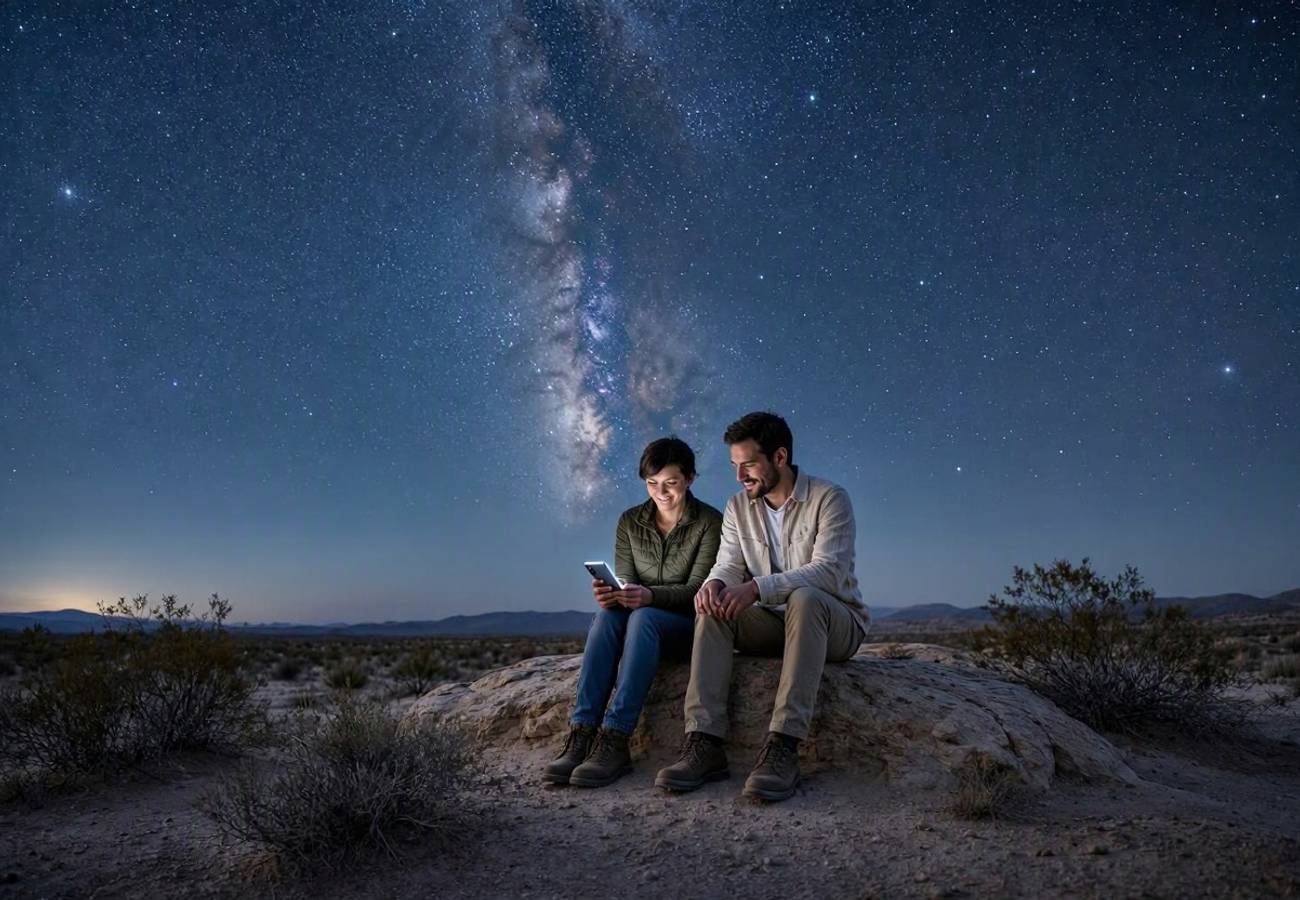
Image generated by AI
[Phoenix, September 30, 2026] — The Arizona Office of Tourism has officially launched "Starstruck," a free digital passport designed to drive visitors toward more than 20 of the state's premier stargazing destinations.
Deployed on September 28, 2026, the mobile-based program functions as a curated guide to dark-sky communities, professional observatories, and astronomy sites. By leveraging Arizona's high elevations and arid climate, the initiative aims to formalize "astrotourism" as a primary driver for regional travel, moving visitors beyond major urban centers and into rural landscapes.
The Mechanics of Starstruck
Unlike traditional travel applications, Starstruck is built as a mobile-friendly digital passport. This means travelers do not need to download a separate app from a store; instead, they register for the pass and access the interface directly via their mobile browsers.
The system allows users to identify participating sites, perform digital check-ins upon arrival, and access educational content regarding Arizona's astronomical history and light-pollution mitigation efforts. To incentivize exploration, the program includes a gamified rewards system where check-ins earn points that can be redeemed for Starstruck-branded prizes.
Arizona Stargazing Infrastructure 2026
The program spans a diverse range of environments, from high-altitude forests to deep desert basins. The following table details the core specifications of the Starstruck initiative.
| Feature | Detail |
|---|---|
| Launch Date | September 28, 2026 |
| Cost to User | Free |
| Access Method | Mobile Digital Passport (No App Download) |
| Participating Sites | 20+ Locations |
| Core Objective | Promotion of Dark-Sky Tourism & Conservation |
| Key Incentives | Digital Check-ins & Point-based Rewards |
| Governing Body | Arizona Office of Tourism |
Primary Astrotourism Hubs
The Starstruck pass highlights several world-renowned locations that have pioneered the fight against light pollution.
Flagstaff: The Global Standard Flagstaff holds a unique position in this network, having become the first International Dark Sky City in 2001. The city is home to the Lowell Observatory, where Clyde Tombaugh discovered Pluto in 1930. For travelers, Flagstaff serves as both a scientific hub and a gateway to the northern highlands.
Sedona: Red Rocks and Night Skies While Sedona is primarily known for its daylight vistas, the city has integrated dark-sky protection into its tourism model. This allows visitors to pair daytime hiking and scenic drives with professional-grade night photography and stargazing.
Comprehensive List of Participating Destinations
The network is designed to distribute tourism spending across rural Arizona by directing traffic toward smaller communities. Participating sites include:
- Cities & Towns: Flagstaff, Sedona, Cottonwood, Camp Verde, Fountain Hills.
- National Parks & Monuments: Grand Canyon National Park, Petrified Forest National Park, Chiricahua National Monument, Tumacácori National Historical Park.
- State Parks & Specialized Sites: Kartchner Caverns State Park, Oracle State Park, Thunder Mountain Pootseev Nightsky.
What This Means for Travelers
For the average tourist, the launch of Starstruck transforms the night sky from a passive backdrop into a primary destination.
Logistical Shifts: Because the primary attraction occurs after sunset, the program encourages "slow travel." Travelers are more likely to book overnight stays in cabins or local hotels rather than conducting short day trips. This shift increases the demand for overnight accommodations, local dining, and guided astronomy tours in rural areas.
Equipment and Planning: Visitors are encouraged to plan itineraries that combine outdoor daytime activities with evening observations. The digital pass acts as a real-time itinerary tool, helping users map out their journey through the desert and mountains.
Conservation Awareness: The pass includes educational modules on light pollution. Travelers are reminded that the viability of these sites depends on strict lighting ordinances; visitors are expected to follow "dark sky" etiquette to preserve the environment for others.
The Economic Impact on Rural Arizona
By directing traffic to locations like the Chiricahua National Monument or Oracle State Park, the Arizona Office of Tourism is effectively diversifying the state's economic intake. Astrotourists typically require a specific set of services that benefit small-town vendors:
- Specialized outdoor gear and rentals.
- Fuel and transport services in remote corridors.
- Local hospitality and "farm-to-table" dining.
- Professional astronomy guides and photography workshops.
Arizona is turning the lights off to let the stars lead the way.
FAQ: Arizona Starstruck Pass 2026
Do I need to download an app to use Starstruck? No. Starstruck is a mobile digital passport accessible via your smartphone's web browser after registration. No app store download is required.
Is the Starstruck pass free for international tourists? Yes, the digital passport is free for all visitors regardless of their country of origin.
How do the rewards work? Travelers earn points by checking in at participating dark-sky locations and completing activities. These points can be exchanged for Starstruck-themed merchandise and prizes.
Which city was the first International Dark Sky City? Flagstaff, Arizona, earned this distinction in 2001, establishing the state as a leader in light pollution conservation.
Related Travel Guides
Disclaimer
This article is for informational and educational purposes only. It does not constitute legal, financial, or professional advice. While we strive to provide accurate and up-to-date information, travel policies, regulations, and conditions change rapidly. Always verify information with official sources before making travel decisions. Nomad Lawyer makes no representations about the accuracy, reliability, completeness, or suitability of the information provided. Readers should consult qualified professionals for advice specific to their circumstances. The views expressed in this article are those of the author and do not necessarily reflect the views of Nomad Lawyer.
Preeti Gunjan
Contributor & Community Manager
A passionate traveller and community builder. Preeti helps grow the Nomad Lawyer community, fostering engagement and bringing the reader experience to life.
Learn more about our team →