
Arizona Best Slot Canyons for Remote Workers and Digital Nomads in 2026
Arizona's slot canyons surge in popularity among digital nomads seeking dual-purpose hiking and photography destinations. Remote workers flock to these stunning natural formations in 2026.

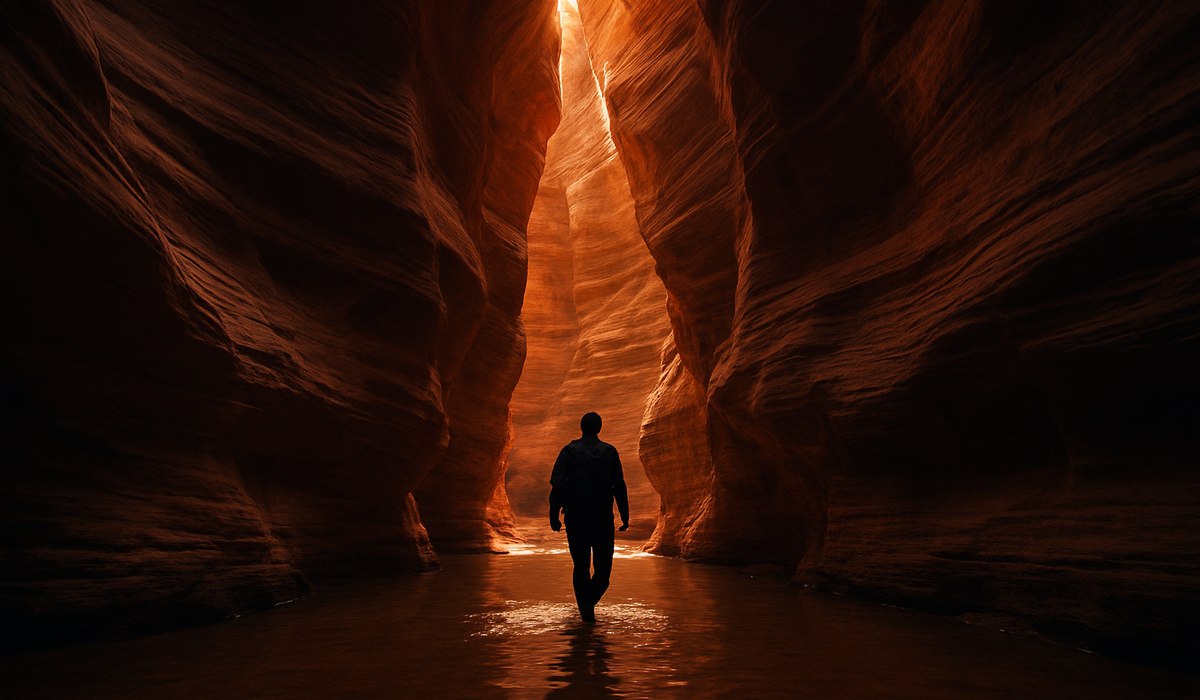
Image generated by AI
Arizona's Slot Canyons Experience Surge Among Location-Independent Travelers
Arizona's stunning slot canyons are attracting record numbers of digital nomads and remote workers in 2026. These narrow, towering geological formations combine world-class hiking with premium photography opportunities, making them ideal for nomadic professionals seeking adventure between work sessions. The surge reflects a broader travel trend where location-independent workers prioritize destinations offering both outdoor recreation and content creation potential.
Arizona hosts some of North America's most dramatic slot canyon formations. These natural wonders feature narrow passages carved by water over millennia, creating Instagram-worthy backdrops and challenging hiking terrain. Remote workers increasingly view these destinations as dual-purpose locations: productive bases with exceptional scenery for their travel content portfolios.
Top-Rated Slot Canyons for Hiking Adventures
Arizona's premier slot canyons offer varying difficulty levels and accessibility options for different experience levels. Antelope Canyon remains the most visited slot canyon in Arizona, though nomad travelers increasingly explore less-crowded alternatives like Canyon X and Rattlesnake Canyon for authentic adventures without crowds.
The Paria Rimrocks region showcases some of Arizona's most photogenic formations. Coyote Buttes and The Wave draw serious hikers willing to trek remote terrain. However, digital nomads with limited time should consider Spooky Gulch and Peek-a-boo Gulch near Kodachrome Basin State Park. These canyons offer shorter routes perfect for nomadic schedules while delivering stunning visuals for social media content.
Deer Creek Canyon provides moderate-difficulty hiking with minimal crowds. Located on tribal lands, access requires permits but rewards adventurers with pristine photography opportunities. Remote workers appreciate the solitude these lesser-known formations provide. Check the Arizona Tourism Bureau for current permit requirements and access updates.
Photography Tips and Best Times to Visit
Arizona's slot canyons deliver optimal photography conditions during specific seasonal windows. Spring (March-May) and fall (September-November) offer ideal lighting angles, cooler temperatures, and reduced flash flood risks. Summer heat exceeds 110°F in many canyons, making midday hiking dangerous for unprepared travelers.
Morning light penetrates narrow canyon passages around 8-10 AM, creating dramatic shadowing perfect for professional photography. Golden hour at sunset produces saturated colors in red rock formations. Digital nomads should prioritize early-morning hikes to maximize content capture before tourist crowds arrive at popular locations.
Photography-specific considerations include bringing polarizing filters to reduce glare on canyon walls and neutral density filters for water photography. Wide-angle lenses (14-24mm) work best in confined spaces. Waterproof equipment proves essential, as many routes involve creek crossings and seasonal water flow.
Visit TripAdvisor's Arizona hiking reviews for current condition reports and recent traveler photography examples. Many nomad communities share real-time updates about accessibility and lighting conditions on specific dates.
Best Time to Visit Arizona's Slot Canyons
Timing your Arizona best slot canyon visit significantly impacts safety and photography quality. April through May delivers perfect conditions: moderate temperatures (70-85°F), minimal flash flood risk, and optimal sunlight angles. September through October provides similar advantages with fewer spring break crowds.
Winter visits require careful planning due to unpredictable weather in slot canyon formations. December through February temperatures drop to 40-50°F in shaded passages, and flash flood potential increases dramatically during rare rainstorms.
Summer travel (June-August) presents serious safety challenges. Slot canyons channel water with little warning during monsoon season (July-August). Multiple fatalities occur annually in Arizona slot canyons during summer months. Most experienced guides strongly recommend avoiding all slot canyon hiking June through August.
Accessibility and Permits Required
Arizona slot canyons require varying levels of permits and access arrangements. Antelope Canyon operates as a managed tourist destination requiring guide services ($20-60 per person). Canyon X, located adjacent to Antelope, remains free but requires self-navigation and carries flash flood risks.
Tribal lands in the Navajo Nation require special permits for canyons like Canyon X and Antelope slots. The Navajo Parks and Recreation Department issues permits through their official website. Permit costs range from $5-25 per person, with additional guide fees at certain locations.
State park canyons like those near Kodachrome Basin require state park passes ($10-15 daily). The Paria Rimrocks area requires no permits for day hiking but does prohibit overnight camping without special authorization.
Digital nomads should verify current access policies before planning multi-day trips. Policies change seasonally, and some areas close temporarily due to weather or maintenance. Contact the Arizona Department of Parks and Recreation for the most current information.
Safety Considerations and Preparation
Exploring Arizona's best slot canyons demands serious preparation and hazard awareness. Flash flooding represents the primary danger in slot canyon environments. Narrow passages concentrate water runoff into dangerous torrents during rainstorms. Check detailed weather forecasts 24-48 hours before trips, including upstream weather conditions.
Bring minimum one gallon of water per person. Dehydration kills faster than many other hiking hazards. Carry electrolyte supplements for high-exertion hikes exceeding four hours. Proper footwear with ankle support prevents injuries on uneven, water-slicked terrain.
Informing someone of your hiking plans and expected return time provides critical backup if emergencies occur. Many canyon areas lack cellular coverage. Download offline maps and GPS coordinates before traveling.
Sun protection requires SPF 50+ sunscreen, hat, and sunglasses. Narrow canyons create shadowed hiking areas that fool travelers into underestimating sun exposure. Reapply sunscreen every two hours, especially after water crossings.
First aid kits should include blister treatment, antibiotic ointment, and pain management. Carry a headlamp even for day hikes, as unexpected delays sometimes force travel in low-light conditions.
How to Get There
Most Arizona slot canyons are accessed via Page, Arizona, the regional hub for canyon tourism. Page sits 150 miles northeast of Flagstaff and 130 miles south of the Utah border. From Phoenix, drive northeast for 4-5 hours on I-17 and US-89 to reach Page.
The nearest major airport is Phoenix Sky Harbor International Airport (PHX). Rental cars provide essential transportation since most canyons require 30-90 minute drives from town. Nomadic travelers should budget 2-3 days minimum for one canyon visit, plus travel time to Page.
Public transportation to Page remains limited. Shuttle services operate seasonally but require advance booking. Digital nomads prefer rental vehicles for schedule flexibility and the ability to explore multiple canyons during one trip.
From Page, Antelope Canyon is 20 minutes east. Canyon X sits 25 minutes southeast. Kodachrome Basin State Park requires 70 minutes south. Plan travel around early-morning canyon starts to maximize daylight photography hours.
Key Data Table: Arizona Slot Canyons Comparison
| Canyon Name | Difficulty | Trail Distance | Permit Cost | Best Season | Crowds |
|---|---|---|---|---|---|
| Antelope Canyon | Easy-Moderate | 1.5 miles | $20-60 (guided) | April-May | Very High |
| Canyon X | Moderate | 2 miles | $5-10 | April-May | High |
| Rattlesnake Canyon | Moderate-Hard | 3.2 miles | Free | September-October | Low |
| Spooky Gulch | Easy-Moderate | 1 mile | Free | April-May | Medium |
| C |
Disclaimer
This article is for informational and educational purposes only. It does not constitute legal, financial, or professional advice. While we strive to provide accurate and up-to-date information, travel policies, regulations, and conditions change rapidly. Always verify information with official sources before making travel decisions. Nomad Lawyer makes no representations about the accuracy, reliability, completeness, or suitability of the information provided. Readers should consult qualified professionals for advice specific to their circumstances. The views expressed in this article are those of the author and do not necessarily reflect the views of Nomad Lawyer.
Preeti Gunjan
Contributor & Community Manager
A passionate traveller and community builder. Preeti helps grow the Nomad Lawyer community, fostering engagement and bringing the reader experience to life.
Learn more about our team →