
Argentina Hotel Tax Guide: VAT Exemptions and Municipal Eco-Fees
Navigate Argentina's complex lodging taxes. Learn how to claim the 21% VAT exemption and understand municipal eco-taxes in Bariloche, Puerto Iguazú, and Buenos

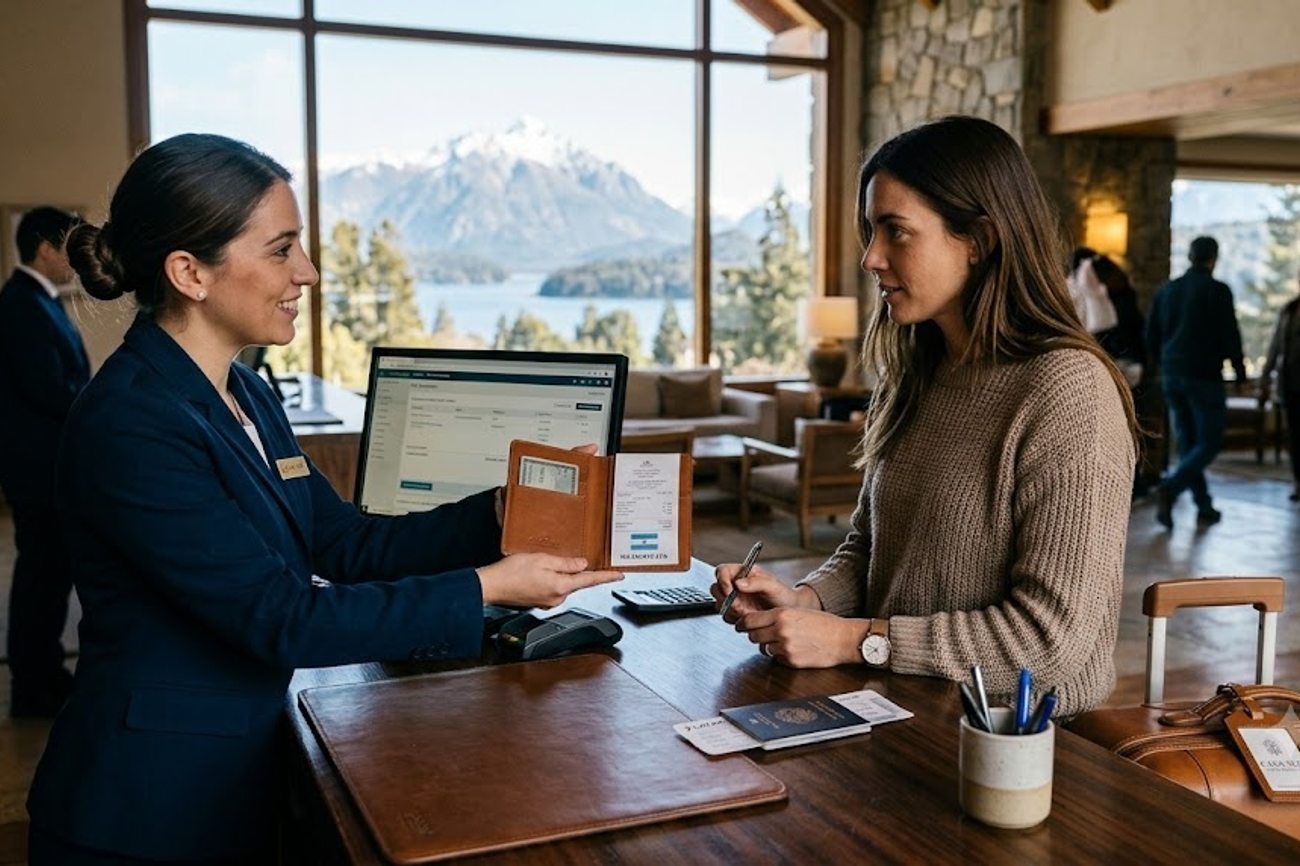
Image generated by AI
Argentina Lodging Tax Framework: National Exemptions vs. Local Levies
Argentina operates a dual-layered taxation system for tourism. While the federal government provides aggressive incentives to attract foreign capital, individual municipalities implement localized fees to fund environmental preservation and urban maintenance.
The 21% National VAT Exemption
Under Decree 1043/2016, the Argentine government offers a 21% Value Added Tax (VAT/IVA) exemption on accommodation services for foreign non-resident visitors. This is not a refund requested after the trip, but a fiscal incentive applied at check-out.
Requirements for Exemption:
- Payment Method: Must use a foreign credit/debit card or international wire transfer.
- Documentation: Valid foreign passport and official entry documentation from the Dirección Nacional de Migraciones.
- Eligible Lodging: Only applies to certified commercial entities registered with ARCA (Administración Federal de Ingresos Públicos).
- Ineligible Lodging: Informal rentals managed by unregistered Monotributistas do not qualify.
Municipal and Regional Environmental Fees
Beyond national taxes, several high-traffic regions impose "Eco-Taxes" to mitigate the impact of tourism on sensitive biomes.
- San Carlos de Bariloche (Río Negro Province): Implements the Ecotasa (Ordenanza Municipal N.° 2809-CM-16 / N.° 3287-CM-21) for trail maintenance and ecological conservation. Note: The Argentine Supreme Court (Corte Suprema de Justicia de la Nación) has ruled this structure unconstitutional, meaning collection practices may vary by hotel.
- Puerto Iguazú (Misiones Province): Charges the Tasa Eco-Turística Municipal for waste management and urban infrastructure. This is a separate charge from the national entrance fee for Parque Nacional Iguazú, which is managed by the Administración de Parques Nacionales (APN).
- Buenos Aires (CABA): Applies the Derecho de Uso Urbano (Urban Use Fee) for non-residents aged 12+. This fee funds heritage preservation and public space maintenance.
Key Facts Breakdown
- VAT Savings: 21% reduction on nightly hotel and breakfast rates.
- CABA Fee Range: USD $0.50 to USD $1.50+ per person, per night.
- CABA Fee Limit: Typically capped at three to five consecutive nights.
- Bariloche Legal Status: Currently under judicial scrutiny following a Supreme Court ruling of unconstitutionality.
- Iguazú Requirement: Travelers must budget for two distinct fees: the municipal eco-tax and the national park admission fee.
Lodging Tax Comparison Table
| Location | Tax/Fee Name | Authority | Primary Purpose | Key Condition |
|---|---|---|---|---|
| National | VAT (IVA) Exemption | ARCA | Tourism Promotion | Foreign card + Passport |
| Buenos Aires | Derecho de Uso Urbano | CABA | Urban Maintenance | Ages 12+; tiered by star rating |
| Bariloche | Ecotasa | Municipal | Trail/Eco Preservation | Subject to legal disputes |
| Puerto Iguazú | Tasa Eco-Turística | Municipal | Waste/Infrastructure | Separate from National Park fee |
Why This Matters
From a logistical perspective, the "hidden" nature of these fees can disrupt tight travel budgets. The most critical takeaway for travelers is the distinction between registered commercial lodging and informal rentals.
Our analysis indicates that while Airbnb or unregistered guesthouses may seem cheaper upfront, the inability to claim the 21% VAT exemption often makes registered hotels and eco-lodges the more cost-effective choice. Furthermore, the legal volatility of the Bariloche Ecotasa suggests that travelers should verify the current legality of the charge at check-in to avoid paying an unconstitutional levy.
Industry Outlook
Expect continued friction between municipal governments and the national judiciary regarding taxing authority. As Argentina pushes for higher international arrivals, the federal government will likely maintain the 21% VAT incentive. However, as ecological degradation increases in Patagonia and Misiones, municipalities will likely introduce more aggressive, tiered eco-fees to offset infrastructure strain, potentially moving toward a digital collection system to reduce hotel-level disputes.
Internal Link Suggestions:
- Guide to Sustainable Travel in Patagonia
- Understanding South American Visa Requirements for 2026
- Comparing Luxury Eco-Lodges in Misiones Province
Related Travel Guides
Disclaimer
This article is for informational and educational purposes only. It does not constitute legal, financial, or professional advice. While we strive to provide accurate and up-to-date information, travel policies, regulations, and conditions change rapidly. Always verify information with official sources before making travel decisions. Nomad Lawyer makes no representations about the accuracy, reliability, completeness, or suitability of the information provided. Readers should consult qualified professionals for advice specific to their circumstances. The views expressed in this article are those of the author and do not necessarily reflect the views of Nomad Lawyer.
Raushan Kumar
Founder & Lead Developer
Full-stack developer with 11+ years of experience and a passionate traveller. Raushan built Nomad Lawyer from the ground up with a vision to create the best travel and law experience on the web.
Learn more about our team →