
April Storms Issues Snarl Flights at Washington Dulles in 2026
April storms issues and [FAA](https://www.faa.gov) air traffic control constraints create cascading flight disruptions at Washington Dulles and regional airports during peak spring 2026 travel season, affecting thousands of passengers.

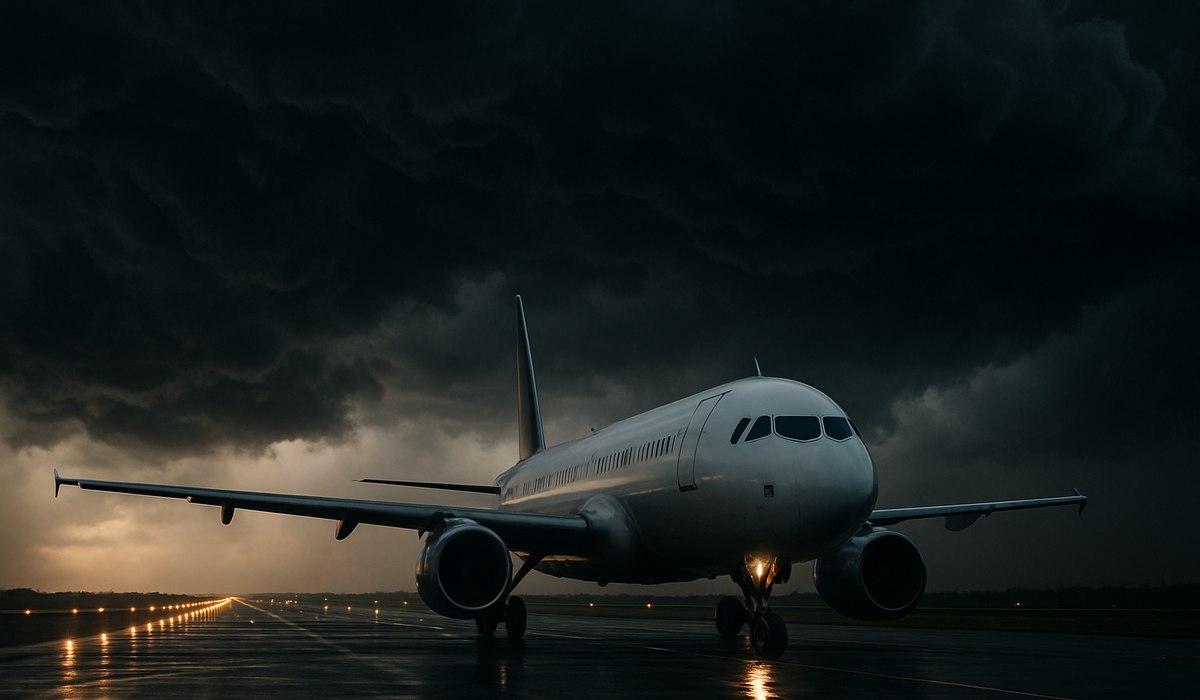
Image generated by AI
Thunderstorms and ATC Constraints Trigger Widespread Flight Disruptions at Dulles
Washington Dulles International Airport and surrounding regional hubs face significant operational challenges this April as thunderstorms collide with air traffic control capacity constraints. Beginning April 1-2, severe convective weather systems swept across the Mid-Atlantic region, prompting the Federal Aviation Administration to implement ground stops and reduce arrival rates throughout Washington airspace. The combination of meteorological factors and infrastructure limitations has created cascading delays affecting thousands of passengers traveling to and from the nation's capital region during peak spring travel season.
Thunderstorms Trigger Ground Stops Across Washington Airports
Powerful thunderstorm cells moving through the Mid-Atlantic on April 1 and 2 became the primary catalyst for widespread disruptions at Washington Dulles, Ronald Reagan Washington National, and Baltimore-Washington International airports. Flight tracking data from FlightAware documented sharp spikes in delay incidents during afternoon and evening hours when storm activity peaked. The FAA responded by implementing temporary ground stops and limiting inbound traffic flow while simultaneously restricting departures from feeder airports upstream of Washington airspace.
When ground holds occur during peak travel windows, airline schedules unwind rapidly. Aircraft become mispositioned, crews fall out of sequence, and passenger connections fragment across subsequent days. At Dulles specifically, extended taxi times, ramp congestion, and rolling delays extended well beyond the initial weather event. Major routes connecting Dulles with Northeast and Midwest hubs experienced the most severe impacts, as storm activity compounded regional airspace congestion. Importantly, regulatory frameworks classify weather-related disruptions as "acts of nature," substantially limiting passenger compensation eligibility even when delays exceed three hours or cancellations occur.
Cascading Delays Extend Beyond Initial Weather Event
The April storms issues didn't impact only the day they occurred. Reduced fleet and crew availability meant that delays rippled forward into subsequent days as airlines worked to reposition assets and restore normal scheduling. The Potomac Terminal Radar Approach Control facility—the FAA radar center in Warrenton, Virginia, managing approach and departure traffic for Washington Dulles and neighboring airports—experienced a separate operational disruption in late March that compounded April's problems.
This Potomac TRACON incident required temporary reductions in traffic volumes, forcing departures to remain gate-held and incoming aircraft into extended delays. When the facility cannot operate at full capacity, traffic managers implement metering restrictions that limit how many flights can enter the airspace simultaneously. Airlines must restrict departures at origin airports and manage extended taxiway queues at destination hubs. Dulles depends heavily on precise TRACON management because the airport handles complex mixtures of long-haul international flights, domestic hub connections, and regional jet operations. The convergence of TRACON constraints and April storms created a compounding effect that left travelers facing delayed recoveries.
Limited Passenger Compensation Under Weather Exception Rules
Passengers should understand that airline liability varies significantly based on disruption causation. Weather-related delays and cancellations typically fall outside mandatory compensation requirements under U.S. Department of Transportation regulations. The US DOT defines certain weather events as "extraordinary circumstances" beyond airline control, exempting carriers from providing the standard compensation of $250-$750 depending on flight length.
However, passengers retain certain rights regardless of cause. Airlines must provide rebooking on the next available flight at no additional charge, either on their own service or on a partner airline. Meal and beverage vouchers and hotel accommodations must be provided for overnight delays caused by airline responsibility. Checking your airline's specific policy and reviewing your booking confirmation ensures you understand which protections apply. The distinction between airline-controllable and weather-related delays matters significantly when assessing your eligibility for compensation.
Multi-Hub Impact and Crew Repositioning Challenges
April storms issues affected not just Washington area airports but created a national ripple effect across major aviation hubs. Aggregated data showed roughly 460 cancellations and approximately 5,500 delays nationally during the early April period. The disruption hit multiple significant gateways simultaneously, creating widespread crew and aircraft positioning challenges.
When major hubs experience simultaneous constraints, airlines cannot easily draw reserves from other locations. Crew rest requirements and duty-time regulations prevent rapid redeployment of pilots and flight attendants. Aircraft maintenance and cleaning protocols require scheduled downtime between flights. These operational realities mean that April storms issues at Dulles cascaded beyond the region and affected connectivity throughout the entire U.S. network. Airlines implementing schedule adjustments at one hub ripple scheduling challenges across their entire system, occasionally resulting in rolling cancellations and reductions that persist for days after the initial weather clears.
Traveler Action Checklist
Follow these steps to protect yourself during April storms issues and regional flight disruptions:
-
Check real-time flight status on FlightAware or your airline's app before heading to the airport.
-
Review the FAA website for active ground stops, delays, or airspace restrictions affecting your destination.
-
Contact your airline directly if experiencing delays exceeding two hours to confirm rebooking options and meal voucher eligibility.
-
Document all expenses including meals, hotels, and ground transportation for potential reimbursement claims with your airline.
-
Request written confirmation of any rebooking commitments, including flight number, departure time, and seat assignment.
-
File a complaint with the US DOT if your airline fails to provide required accommodations or accurate information about delay causes.
-
Review your travel insurance policy to understand coverage for weather-related delays and consider purchasing additional coverage for future spring travel.
-
Subscribe to your airline's notifications for real-time updates rather than relying solely on airport displays or customer service phone lines.
Key Data: April 2026 Disruption Metrics
| Metric | Value | Notes |
|---|---|---|
| Primary disruption dates | April 1-2, 2026 | Thunderstorm activity peak |
| Airports affected | 3 major hubs | Dulles, Reagan National, BWI |
| National cancellations (early April) | ~460 flights | Multi-day event across U.S. |
| National delays (early April) | ~5,500 flights | Includes ground stops and cascading effects |
| Expected compensation | $250-$750 | Varies by flight length; weather exceptions apply |
| Potomac TRACON disruption | Late March | Compounded April weather impacts |
| Peak disruption hours | 2 p.m.–10 p.m. | Afternoon/evening convective activity |
What This Means for Travelers
April storms issues and FAA air traffic control constraints represent significant challenges for spring travel planners. Understanding the operational and regulatory landscape helps you navigate disruptions more effectively. The combination of weather volatility and infrastructure limitations means that even brief ground holds can create multi-day scheduling challenges affecting thousands of passengers.
Your best protection involves proactive monitoring and clear communication with your airline. Check multiple information sources before traveling. Understand your specific airline's policies on accommodations and rebooking. Document all expenses related to delays. Most importantly, remember that while weather events limit compensation eligibility, your airline retains obligations to rebook you, provide reasonable accommodations, and communicate clearly about schedule changes. April travel through Washington area airports requires flexibility and preparation.
Frequently Asked Questions
Q: Am I entitled to compensation if my flight is canceled due to thunderstorms?
A: Weather-related cancellations typically qualify as extraordinary circumstances under U.S. regulations, limiting mandatory compensation. However, your airline must still rebook you on the next available flight and provide meals and hotel accommodations for overnight delays. Check your airline's specific policy.
**Q: How can I find
Disclaimer
This article is for informational and educational purposes only. It does not constitute legal, financial, or professional advice. While we strive to provide accurate and up-to-date information, travel policies, regulations, and conditions change rapidly. Always verify information with official sources before making travel decisions. Nomad Lawyer makes no representations about the accuracy, reliability, completeness, or suitability of the information provided. Readers should consult qualified professionals for advice specific to their circumstances. The views expressed in this article are those of the author and do not necessarily reflect the views of Nomad Lawyer.
Preeti Gunjan
Contributor & Community Manager
A passionate traveller and community builder. Preeti helps grow the Nomad Lawyer community, fostering engagement and bringing the reader experience to life.
Learn more about our team →