
April Flight Disruptions Hit 311 Routes Across 7 Nations in 2026
Coordinated strikes and staffing shortages disrupt 311 airline routes across Europe, Middle East, and South Asia in April 2026, forcing widespread cancellations and travel delays affecting thousands of passengers.

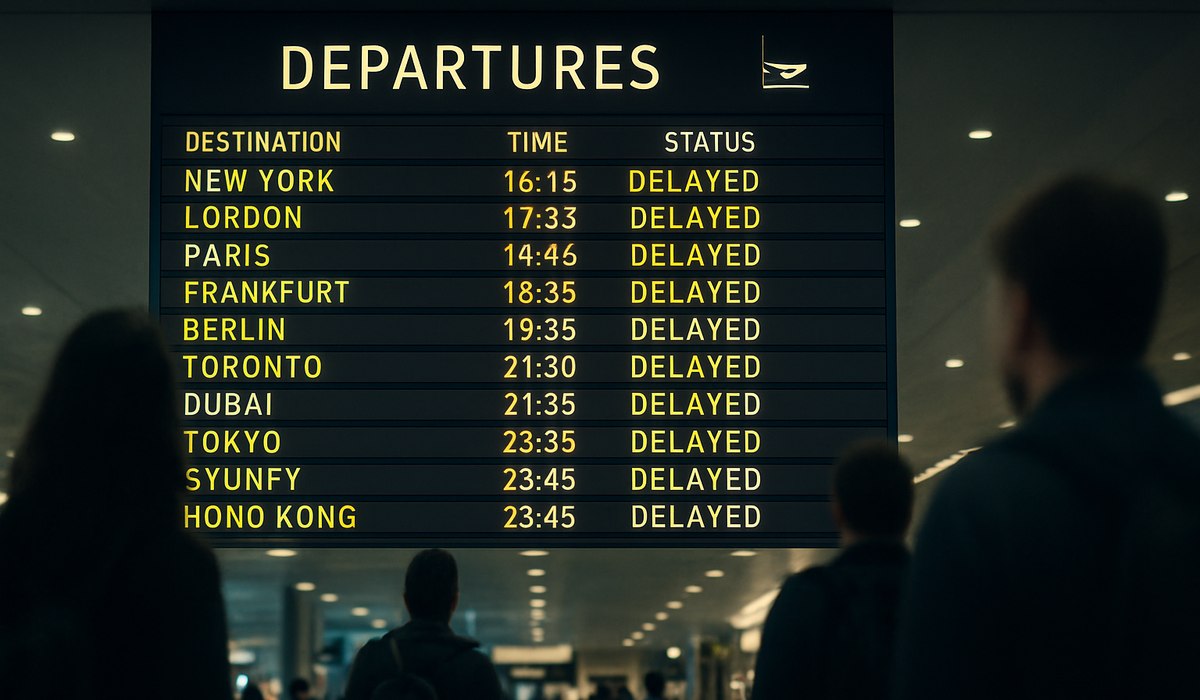
Image generated by AI
April Flight Disruptions Paralyze European and Asian Networks
More than 311 airline routes face cancellations and delays across seven nations during April 2026, as coordinated labor strikes, airspace restrictions, and staffing constraints create a perfect storm for air travelers. Italy, Germany, the United Kingdom, Spain, Belgium, Portugal, and multiple South Asian nations are experiencing simultaneous disruptions that affect both domestic and international services. The April flight disruptions span three continents, impacting major hubs from Rome Fiumicino to Dubai and Kolkata, with aviation authorities estimating tens of thousands of passengers affected daily.
European Strikes Trigger Hundreds of Flight Cancellations
Labor actions across European aviation are driving the majority of April flight disruptions, with synchronized walkouts at airports and air traffic control facilities creating widespread schedule chaos. Italy experienced a particularly severe impact on April 10, when a four-hour air traffic control strike cancelled over 400 flights at Rome Fiumicino and Milan Malpensa alone. The strike rippled through ground transport networks, leaving passengers stranded without alternative routing options.
Germany's Lufthansa network faced comparable turbulence, with proactive cancellations of several hundred flights to prevent operational breakdowns. These April flight disruptions coincided with Easter holidays, multiplying passenger frustration across the continent. Staff shortages at security, ground handling, and airport operations compounded the pressure, forcing carriers to reduce capacity on busy corridors linking London, Brussels, Barcelona, and Lisbon. Check real-time flight status updates via FlightAware to monitor schedule changes before departure.
Italy's Air Traffic Control Walkout Impacts Major Hubs
The Italian air traffic control strike on April 10 became the defining event of April flight disruptions in Southern Europe. Rome Fiumicino and Milan Malpensa—Italy's two busiest international gateways—experienced near-total flight suspensions during the four-hour window. Cancellations exceeded 400 flights, stranding passengers and forcing airlines to absorb rebooking costs.
The cascading effects extended beyond Italian borders, as connecting flights across Europe experienced knock-on delays. Airlines including Alitalia, Lufthansa, and British Airways implemented schedule reductions on routes feeding Italy's major hubs. Rail strikes and local transport walkouts, coordinated with the air traffic control action, eliminated surface transportation alternatives for passengers attempting ground-based detours. Recovery schedules remained uncertain as additional strikes were announced for later in April.
Germany, UK, Spain, Belgium, and Portugal Face Parallel Disruptions
Beyond Italy, coordinated April flight disruptions struck Northern and Western Europe simultaneously. Germany's Lufthansa Group preemptively cancelled hundreds of flights rather than risk day-of operational failures, affecting services across its Frankfurt, Munich, and Berlin hubs. The UK saw ground handling strikes at London Heathrow, Europe's busiest airport, creating bottlenecks on transatlantic and European routes.
Spain, Belgium, and Portugal implemented varying levels of labor actions targeting ground crews, security personnel, and air traffic controllers. Barcelona and Madrid experienced selective capacity reductions on peak-hour departures. Brussels Airport faced coordination challenges as multiple unions staggered walkouts throughout April. Lisbon's hub services to former Portuguese colonies in Africa and Asia encountered frequent schedule adjustments. The coordinated nature of these April flight disruptions suggested advance union planning, making recovery difficult for airlines dependent on synchronized European network operations.
Middle East Airspace Closures Extend April Flight Disruptions to Asia
Beyond European labor actions, geopolitical tensions and airspace restrictions in the Middle East compounded April flight disruptions across longer routes. Since late February 2026, multiple nations imposed partial or full closures affecting airspace critical to Europe-Asia connectivity. Major hubs including Dubai, Doha, and Abu Dhabi experienced capacity reductions as carriers rerouted flights through alternative corridors.
These April flight disruptions forced airlines to adopt longer polar routes, central Asian paths, or southern detours—all adding fuel costs and flight time. Some carriers suspended selected services entirely, citing safety protocols and operational economics. The Middle East disruptions particularly impacted South Asian routes, where secondary cities depend heavily on Gulf hubs for onward European and North American connectivity. Indian metros, Bangladesh's Chattogram, and Pakistan's Karachi faced intermittent cancellations as Gulf-bound frequencies decreased, disrupting labor migration and family travel patterns crucial to regional economies.
Tracking April Flight Disruptions: Real-Time Resources
Monitoring April flight disruptions requires accessing multiple authoritative sources. FlightAware provides live tracking of cancellations, delays, and route changes for affected carriers. The FAA and US DOT maintain advisories for US-Europe routes impacted by European labor actions. European airport authorities publish daily strike schedules, allowing passengers to identify potentially affected travel windows.
Airlines post updates on official websites and social media channels, though information may lag behind real-time developments. Contacting airline customer service directly remains the most reliable method for confirming specific flight status during April flight disruptions. Email confirmations protect passenger rights documentation. Travel insurance providers often maintain dedicated hotlines for disruption-affected passengers seeking rebooking or compensation guidance.
April Flight Disruptions Across Seven Nations
| Nation | Primary Hub(s) | Affected Routes | Root Cause | Estimated Impact |
|---|---|---|---|---|
| Italy | Rome Fiumicino, Milan Malpensa | 95+ | ATC strike (April 10) | 400+ cancellations |
| Germany | Frankfurt, Munich, Berlin | 87+ | Lufthansa staff walkout | 300+ proactive cancellations |
| United Kingdom | London Heathrow, Gatwick | 62+ | Ground handling strike | 150+ delays/cancellations |
| Spain | Barcelona, Madrid | 38+ | Security and ATC actions | 85+ service reductions |
| Belgium | Brussels | 28+ | Multiple union actions | 60+ cancellations |
| Portugal | Lisbon, Porto | 18+ | Ground crew walkout | 40+ schedule cuts |
| Middle East/South Asia | Dubai, Doha, Kolkata, Chattogram | 311+ combined | Airspace restrictions, rerouting | Tens of thousands affected |
What This Means for Travelers During April Flight Disruptions
Traveler Action Checklist
-
Monitor your booking immediately: Check your airline's website and FlightAware daily, particularly before traveling April 10-30.
-
Reconfirm all flights 72 hours and again 24 hours before departure, as April flight disruptions may not appear in booking confirmations.
-
Document original itinerary screenshots, including confirmation numbers, times, and route details to establish passenger rights for compensation claims.
-
Contact your airline proactively if April flight disruptions affect your route, requesting rebooking on alternative airlines or full refunds before standby queues form.
-
Purchase travel insurance if you haven't already, ensuring coverage includes strike-related cancellations and rebooking expenses; many standard policies exclude labor actions.
-
Allow extra time at airports during announced strike windows—even non-striking airports experience crowd surges as passengers reroute.
-
Consider alternative transportation for short European routes where rail or ground transport options exist outside strike windows.
-
Keep airline and country-specific phone numbers accessible offline; online chat systems become overwhelmed during April flight disruptions.
-
Understand passenger compensation rights: EU regulations guarantee €250-€600 reimbursement for certain delays, though strike exemptions vary by carrier and route.
-
**Join airline notification programs
Disclaimer
This article is for informational and educational purposes only. It does not constitute legal, financial, or professional advice. While we strive to provide accurate and up-to-date information, travel policies, regulations, and conditions change rapidly. Always verify information with official sources before making travel decisions. Nomad Lawyer makes no representations about the accuracy, reliability, completeness, or suitability of the information provided. Readers should consult qualified professionals for advice specific to their circumstances. The views expressed in this article are those of the author and do not necessarily reflect the views of Nomad Lawyer.
Preeti Gunjan
Contributor & Community Manager
A passionate traveller and community builder. Preeti helps grow the Nomad Lawyer community, fostering engagement and bringing the reader experience to life.
Learn more about our team →