
April Flight Chaos Sweeps Asia Pacific as Middle East Crisis Deepens
April flight chaos disrupts Asia Pacific aviation as Middle East airspace restrictions force major carriers to cancel services and reroute thousands. Holy Week peaks compound disruptions across Southeast Asian hubs in 2026.

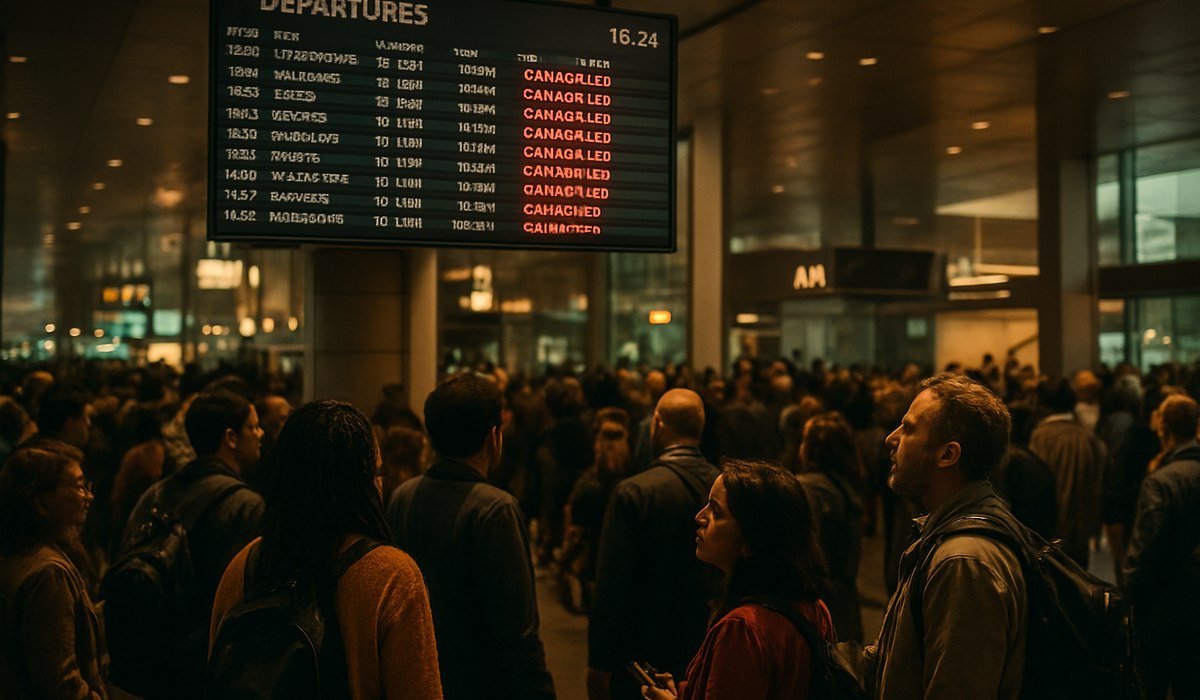
Image generated by AI
Middle East Airspace Restrictions Trigger Cascading Disruptions Across Asia
Widespread flight cancellations and emergency reroutings have gripped Asia Pacific airports in early April 2026, as Middle East airspace restrictions force international carriers to abandon standard routing corridors and consolidate services. Aviation data reveals that ongoing security concerns and restricted airspace over critical Middle Eastern zones have created a bottleneck effect, with hub cities including Dubai, Abu Dhabi, and Doha operating at severely reduced capacity.
Airlines operating east-west services through affected corridors face impossible choices: extend flight times by 3-5 hours via alternative Central Asian routes, suspend routes entirely, or merge multiple daily frequencies into single consolidated flights. This cascading pressure has rippled backward into Asia Pacific networks, where aircraft and crew unavailability now forces cancellations on routes with no direct Middle East connection.
Industry advisories from March projected these impacts would materialize by early April, and regional carriers including Singapore Airlines, Philippine Airlines, and major Gulf operators are now executing contingency plans. Passengers with bookings transiting traditional Gulf hubs report sudden schedule changes, extended layovers exceeding 8-12 hours, and involuntary rerouting through secondary European or Central Asian airports. The disruption pattern mirrors post-pandemic recovery crises but with geopolitical rather than pandemic origins.
Major Carriers Adjust Routes and Suspend Critical Services
Philippine Airlines has suspended Manila-Riyadh service through at least April 8, citing security uncertainties in regional airspace. This cancellation directly impacts thousands of migrant workers, business travelers, and pilgrims who depend on this high-capacity route during peak travel periods.
AirAsia Philippines responded to compounding pressures by implementing a terminal reorganization starting April 1, relocating all international departures from Manila's Terminal 3 to Terminal 1. While designed to improve passenger processing efficiency during Holy Week peaks, this change has introduced additional confusion for travelers already managing unexpected flight modifications.
Other Gulf-serving carriers have trimmed frequencies on profitable Asia routes and shifted departure times by 2-4 hours to accommodate longer flight paths. According to tracking data from FlightAware, cancellation rates on Asia-Middle East routes exceeded 12% during the first week of April. Southeast Asian airlines operating hub-and-spoke models through Singapore, Bangkok, and Kuala Lumpur report secondary disruptions as aircraft intended for secondary routes remain stuck in Middle Eastern holding patterns or positioning delays.
The interconnected nature of modern aviation networks means that a single route suspension cascades through partner airlines and codeshare agreements. Regional carriers that don't directly serve the Middle East still face crew duty-time violations, aircraft positioning challenges, and cascading schedule conflicts.
Holy Week Peaks Compound April Flight Chaos in the Philippines
The calendar intensified natural operational stress in Philippine aviation markets. Holy Week from April 2-6, 2026 traditionally brings one of Asia's busiest travel surges, with passenger volumes at Ninoy Aquino International Airport (Manila) typically increasing 40-60% above baseline capacity.
Local travel security advisories warned of significant congestion across 40+ Philippine airports during this window. Ground handling bottlenecks, extended immigration queues, and reduced flight frequencies created a perfect storm. Cebu and Clark airports, secondary gateways serving millions of domestic and international travelers, operated with adjusted long-haul schedules as airlines reconfigured networks to accommodate Middle East-related reroutings.
The Philippine government extended humanitarian visa relief for foreign nationals stranded because of canceled or severely delayed flights, recognizing the unprecedented disruption magnitude. Online traveler forums documented wave after wave of short-notice rebooking notifications, with passengers reporting involuntary routings through 2-3 intermediate stops and total journey times increasing from 16 hours to 30+ hours on affected itineraries.
Impact on Passengers and Travel Plans Across the Region
Travelers with Asia-Middle East-Europe connections faced cascading rebooking challenges with limited availability. Missed onward connections became endemic, particularly for passengers originally booked on multi-carrier itineraries relying on tight connecting windows. Airlines exhausted standard rebooking options within 48 hours, forcing passengers onto indirect routings or multi-day wait lists for available seats.
Budget carriers implementing aggressive scheduling adjustments provided minimal rebooking flexibility or accommodation standards. Premium cabin passengers received hotel vouchers and meal allowances; economy passengers often faced directives to book their own accommodations while awaiting rebooking confirmation. The US Department of Transportation airline consumer protection guide outlines passenger rights during irregular operations, though enforcement across international carriers remains inconsistent.
Anecdotal evidence from passenger communities revealed widespread frustration with airline communication. Real-time flight status updates often lagged behind actual changes by 2-4 hours. Hotline wait times exceeded 120 minutes, forcing passengers to seek alternative rebooking options through travel agencies or third-party booking platforms at additional cost.
| Metric | Impact Level | Affected Airports | Route Category | Passenger Count | Recovery Timeline |
|---|---|---|---|---|---|
| Cancellation Rate (Asia-ME) | 12-15% | Dubai, Abu Dhabi, Doha | Eastbound long-haul | 45,000+ | 2-3 weeks |
| Average Delay Duration | 6-8 hours | Manila, Singapore, Bangkok | All international | 120,000+ | Ongoing |
| Frequency Reductions | 25-40% | Gulf hubs | Long-haul westbound | 85,000+ | Mid-April |
| Terminal Relocations | 1 major | Manila (Terminal 3→1) | Domestic-to-international | 15,000+ | Permanent change |
| Crew Unavailability Events | 8-12 daily | Regional hubs | Secondary routes | 8,000+ daily | Daily variability |
| Extended Layovers | 150% increase | Doha, Abu Dhabi | Connecting traffic | 30,000+ | 2-4 weeks |
Which Airlines and Routes Face the Highest Disruption Risk
Philippine Airlines tops the list of carriers with most aggressive service suspensions. The Manila-Riyadh route suspension eliminates 30,000+ weekly seat capacity for two weeks. Secondary routes including Manila-Jeddah and Manila-Doha operate at reduced frequencies with extended flight times.
AirAsia Group carriers implemented network-wide adjustments affecting 200+ weekly frequencies across Southeast Asia. The terminal reorganization in Manila, while operationally necessary, created short-term passenger confusion and staffing challenges during peak travel periods.
Singapore Airlines and regional full-service carriers including Thai Airways, Malaysia Airlines, and Cathay Pacific modified schedules on 15-25 routes each, primarily affecting Asia-Europe connections routing through Middle Eastern hubs. According to FlightAware tracking data, these carriers implemented manual rerouting on approximately 18% of scheduled operations.
Gulf carriers including Emirates, Qatar Airways, and Etihad Airways suspended or consolidated services on Asian routes due to diminished traffic feeds from disrupted feeder networks. Routes like Singapore-Dubai, Bangkok-Abu Dhabi, and Kuala Lumpur-Doha saw frequency reductions of 30-40% versus scheduled capacity.
Niche markets experienced outsized impacts: migrant worker routes from Southeast Asia to Middle Eastern destinations, pilgrimage flights during Islamic holiday periods, and seasonal leisure routes to Gulf beach destinations all faced capacity constraints and extended booking waits.
Real-Time Flight Status and Recovery Tracking Resources
Travelers navigating April flight chaos should monitor real-time conditions through multiple authoritative sources. FlightAware provides detailed flight tracking with delay predictions and historical pattern analysis for affected routes. The [FA
Disclaimer
This article is for informational and educational purposes only. It does not constitute legal, financial, or professional advice. While we strive to provide accurate and up-to-date information, travel policies, regulations, and conditions change rapidly. Always verify information with official sources before making travel decisions. Nomad Lawyer makes no representations about the accuracy, reliability, completeness, or suitability of the information provided. Readers should consult qualified professionals for advice specific to their circumstances. The views expressed in this article are those of the author and do not necessarily reflect the views of Nomad Lawyer.
Preeti Gunjan
Contributor & Community Manager
A passionate traveller and community builder. Preeti helps grow the Nomad Lawyer community, fostering engagement and bringing the reader experience to life.
Learn more about our team →