
Tidal Terroir and Acadian Dykelands: Inside Annapolis Valley’s 2026 Tourism Master Plan
Documenting 482 regional assets and addressing 32 service gaps, Nova Scotia's Valley REN charts a new course for Annapolis Valley wine touring, Bay of Fundy exploration, and year-round lodging.

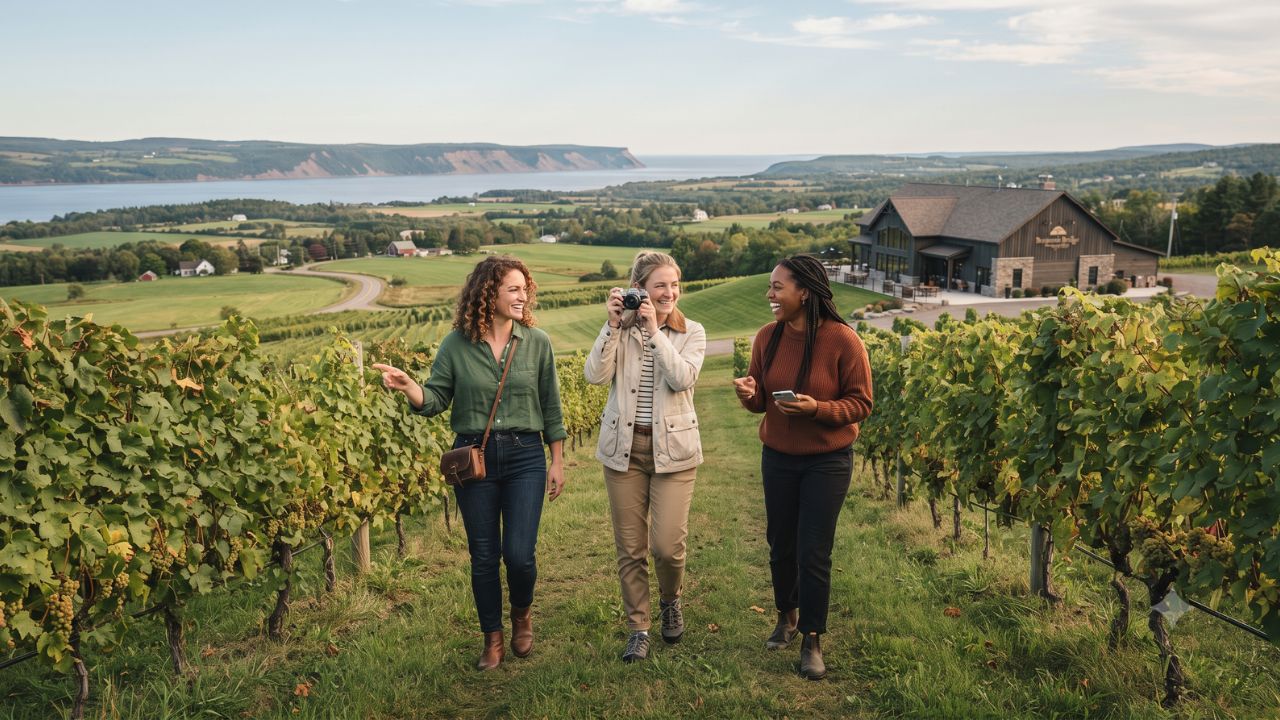
Vineyards and historic Acadian dykelands shaping Annapolis Valley's regional tourism future
Twice every day, 160 billion tonnes of Atlantic seawater surge into the Bay of Fundy—exceeding the combined flow of all the world's freshwater rivers—creating a coastal microclimate that nurtures Canada's only appellation-certified wine. On September 26, 2026, regional planners in Nova Scotia unveiled the findings of the Annapolis Valley Tourism Infrastructure and Services Gaps Analysis, spearheaded by the Valley Regional Enterprise Network (Valley REN) through Tourism Atlantic’s Strategic Tourism for Areas and Regions (STAR) programme in collaboration with Tourism Nova Scotia.
Addressing 32 Infrastructure Gaps Across 482 Regional Assets
The comprehensive research initiative brought together nearly 300 community members, winery proprietors, accommodation operators, and municipal leaders through extensive site visits, surveys, and stakeholder sessions. The resulting inventory documented 482 distinct tourism assets across the valley while identifying 32 specific infrastructure and service deficits requiring targeted investment.
The most pressing challenge highlighted by the analysis is overnight accommodation capacity. While the region experiences heavy day-trip visitation during summer and autumn harvest weekends, limited boutique lodging, country inns, and eco-cabin infrastructure in hub towns like Wolfville and Kentville has constrained the valley’s ability to host multi-day international tour groups, regional culinary conferences, and extended shoulder-season retreats.
To convert brief excursions into high-value overnight stays, Valley REN's strategy focuses on building cohesive regional trails that interconnect vineyard tasting rooms, historic agricultural communities, and coastal nature reserves. By improving rural transportation links, expanding seasonal cycling corridors, and encouraging private boutique hotel investment, the region aims to distribute visitor spending evenly across rural communities throughout all four seasons.
What Makes Annapolis Valley and the Minas Basin Unique
Sheltered between the North Mountain and South Mountain ranges, the Annapolis Valley benefits from a mild maritime microclimate that has supported agriculture for over four centuries. The region's defining feature is its proximity to the Minas Basin, where extreme tidal fluctuations of up to 53 feet expose vast red-mud ocean floors twice daily.
This coastal environment underpins Nova Scotia’s signature Tidal Bay wine appellation. Grown in glacial soils influenced by cool marine breezes, Tidal Bay blends must consist of 100% Nova Scotia-grown grapes—primarily l’Acadie Blanc, Seyval Blanc, and Geisenheim—yielding crisp, aromatic whites with a pronounced mineral salinity that pairs naturally with local Atlantic seafood.
Directly adjacent to the vineyards lies the Landscape of Grand-Pré, inscribed under the UNESCO World Heritage Centre. Settled by French Acadian pioneers in the 1680s, Grand-Pré preserves an intricate system of wooden aboiteaux (sluice-gate dykes) built to reclaim fertile agricultural marshland from the sea. Managed as a historic memorial under Parks Canada, the site chronicles both Acadian agricultural ingenuity and the poignant history of the 1755 Grand Dérangement (Acadian Deportation).
Visitor Insider Tips for Touring the Annapolis Valley
Exploring the valley like an insider requires understanding local harvest schedules, cycling shortcuts, and tidal timing.
Mastering the Magic Winery Bus and Harvest Moon Trailway
During the peak harvest window from June to October, navigate the region’s wineries without driving by booking the Magic Winery Bus. Operating out of downtown Wolfville, this classic British double-decker bus runs a continuous hop-on, hop-off loop connecting flagship estates like Domaine de Grand Pré, Benjamin Bridge, and Luckett Vineyards. For active travelers, rent an e-bike in Wolfville and ride the Harvest Moon Trailway—a 110-kilometer flat, converted rail-trail that links historic Acadian communities and apple orchards with minimal motor vehicle interaction.
Timing the Tides at Cape Blomidon and Scots Bay
When visiting the dramatic red sandstone cliffs of Blomidon Provincial Park or hiking the 16-kilometer Cape Split trail, always consult regional tide charts before stepping onto coastal flats. Low tide provides extraordinary opportunities to walk across the ocean floor and observe sea caves, but incoming Fundy tides move rapidly across shallow mudflats and can trap unwary hikers against cliff faces.
Base Yourself in Historic Architectural Quarters
For walkable access to farm-to-table dining, craft cideries, and heritage inns, base yourself in downtown Wolfville along Main Street or in neighboring Kentville. Wolfville’s Victorian-era gingerbread mansions, many operating as luxury bed and breakfasts, place you steps from independent bookstores, local roasteries, and Acadia University’s historic campus gardens.
Savoring Hyper-Local Maritime Gastronomy
The culinary identity of the Annapolis Valley is defined by its fertile soils and cold-water fisheries. Sample fresh Digby sea scallops seared with local applewood-smoked bacon, Atlantic lobster rolls served on buttered brioche, and freshly shucked oysters drizzled with Tidal Bay mignonette. In autumn, visit roadside farm markets like Stirling Fruit Farms for heritage heirloom apples, warm cider donuts, and fresh unpasteurized sweet apple cider.
Cultural and Environmental Context of the Fundy Watershed
The agricultural vitality of the Annapolis Valley is directly linked to the health of the Bay of Fundy’s delicate estuarine ecosystem. The massive tidal surges fuel rich phytoplankton blooms that support migrating shorebird flocks, including millions of semipalmated sandpipers that feed along the mudflats of Shepody Bay and the Minas Basin every August.
Preserving the ancient Acadian dykeland drainage network represents a major climate adaptation priority. Municipal engineers and local agricultural trusts are actively upgrading historic dyke walls to withstand rising sea levels and intense Atlantic storms, ensuring that fertile agricultural soils remain protected without disrupting natural tidal salt marshes.
Valley REN’s tourism blueprint emphasizes regenerative agricultural tourism, where visitors participate directly in orchard stewardship, zero-waste farm dinners, and community heritage workshops. By aligning tourism growth with land conservation, the Annapolis Valley ensures that its farming traditions and tidal ecology continue to sustain local communities for generations to come.
FAQ: Visiting Annapolis Valley, Nova Scotia 2026
What is the best time of year to visit the Annapolis Valley?
Late spring through autumn (June to October) offers optimal conditions, with warm weather for vineyard patio tastings, apple harvesting, and coastal trail hiking.
How do travelers reach the Annapolis Valley from Halifax?
The Annapolis Valley is easily accessible by car, located approximately one hour west of Halifax and Halifax Stanfield International Airport (YHZ) via Highway 101.
What is Tidal Bay wine?
Tidal Bay is Nova Scotia’s official appellation wine, certified for its cool-climate crispness, aromatic herbal notes, and distinctive mineral salinity that reflects the maritime terroir.
Are the Bay of Fundy tides safe to explore on foot?
Yes, walking on the ocean floor during low tide is safe provided you verify daily tide charts and return to high ground at least two hours before high tide arrives.
Between the ebb of ancient red tides and the quiet pour of cellar-aged wine, the Annapolis Valley invites you to slow down and measure time by the rhythm of the sea.
Related Travel Guides
The Complete Guide to Nova Scotia's Tidal Bay Wine Route
Where to Experience the Highest Tides in the Bay of Fundy
10 Best Scenic Coastal Road Trips in Atlantic Canada Reddit 2026
Disclaimer
This article is for informational and educational purposes only. It does not constitute legal, financial, or professional advice. While we strive to provide accurate and up-to-date information, travel policies, regulations, and conditions change rapidly. Always verify information with official sources before making travel decisions. Nomad Lawyer makes no representations about the accuracy, reliability, completeness, or suitability of the information provided. Readers should consult qualified professionals for advice specific to their circumstances. The views expressed in this article are those of the author and do not necessarily reflect the views of Nomad Lawyer.
Naina Thakur
Contributor & Travel Specialist
Travel enthusiast and legal writer covering visa regulations, responsible tourism, and cultural journeys across global destinations.
Learn more about our team →