
ANA Launches AI Crew Scheduling Technology for 2,000 Flight Crew Members to Enhance Operational Reliability
ANA introduces an AI-powered crew scheduling system developed over four years to manage 2,000 flight crew members, ensuring safer and more reliable flight operations.

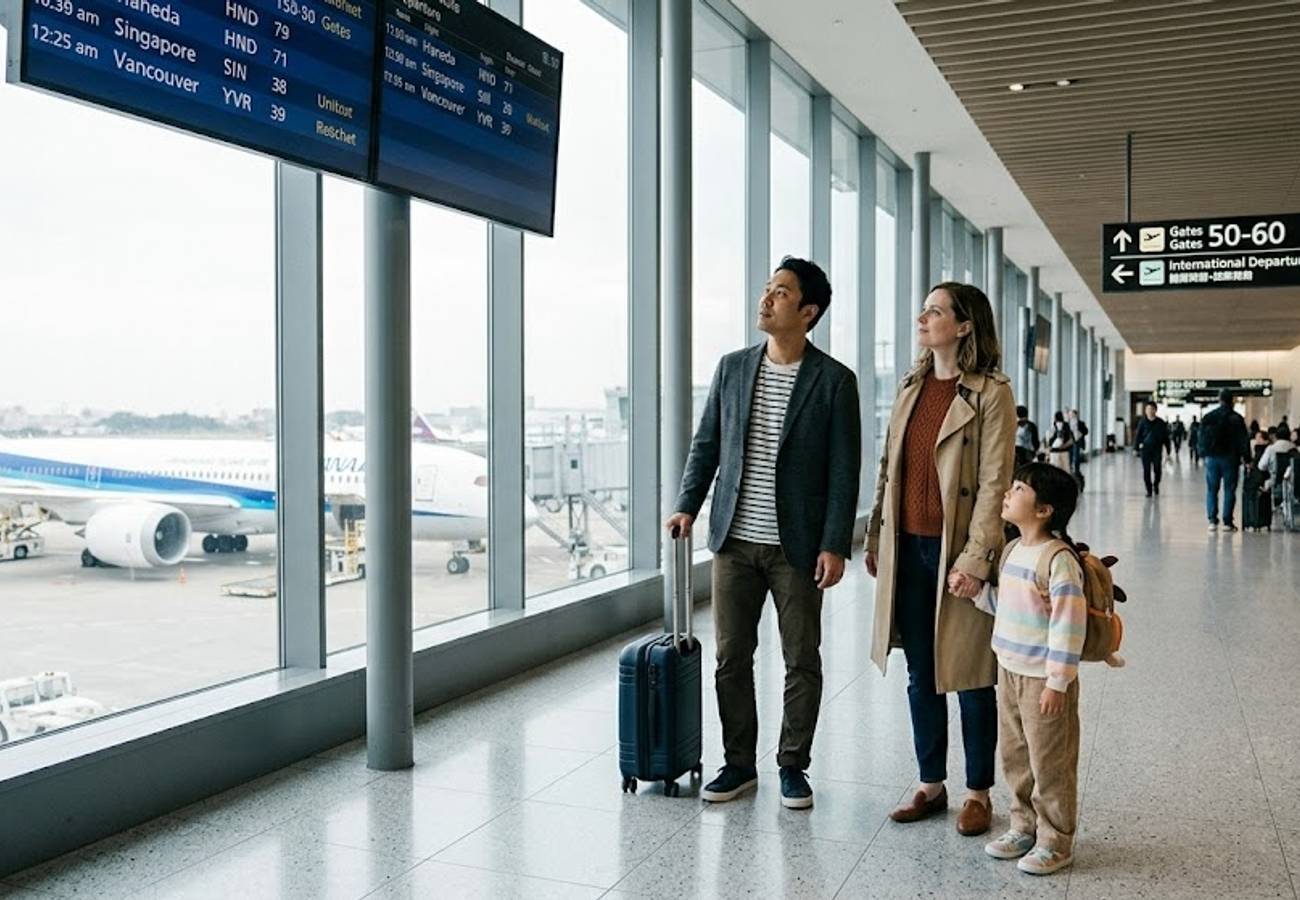
Image generated by AI
All Nippon Airways (ANA) has transitioned its AI-powered crew scheduling system into full-scale operation after four years of development, aiming to optimize rosters for 2,000 flight crew members while balancing fatigue management and aviation regulations.
The Core Transit Update
All Nippon Airways (ANA) has officially launched an artificial intelligence-powered scheduling solution to transform how it manages flight attendants and flight crews. This system automates a highly complicated and time-consuming manual procedure, relying on AI to manage thousands of distinct conditions. The technology ensures that crew scheduling becomes easier, more effective, and safer by accounting for strict aviation laws, crew qualifications, and fatigue management standards.
Crew scheduling is one of the most complicated tasks in aviation. Airlines must ensure that every flight has properly qualified crew members while meeting strict safety rules and managing changing operational conditions. By introducing AI into this process, ANA aims to reduce the time required to build schedules while improving how resources are managed.
Following approximately four years of proof-of-concept development with R&D Co., Ltd., the system has moved into full-scale operation. It was specifically designed to handle the complex requirements involved in planning schedules for approximately 2,000 flight crew members. Traditional scheduling required teams to manually balance thousands of conditions every month. The new AI system automates much of this process while keeping human oversight intact, allowing scheduling specialists to focus on higher-value operational decisions.
AI Scheduling System Parameters
While the AI system operates behind the scenes, its parameters directly impact the reliability of ANA's flight schedules and operational stability.
| Scheduling Parameter | System Specification |
|---|---|
| Total Crew Members Managed | Approximately 2,000 flight crew members |
| Development Timeline | 4 years of proof-of-concept development |
| Primary Development Partner | R&D Co., Ltd. |
| Key Constraints Processed | Aviation regulations, safety requirements, fatigue risk management, crew qualifications, individual leave requests |
| Operational Status | Full-scale operation |
Traveler Logistics Guide
From a ground-level perspective, the best way to navigate this is to understand that while AI improves operational stability, travelers still need to manage their own connection risks. When booking ANA flights, particularly international connections through Tokyo Haneda (HND) or Narita (NRT), maintaining a layover of at least 2.5 to 3 hours remains a prudent strategy. This buffer accommodates any unexpected terminal transfers or security processing delays. When flying out of Narita, Terminal 1 and Terminal 2 are separated by a significant distance, requiring a shuttle bus if connecting between certain partner airlines. Allowing adequate time ensures you can clear security, potentially change terminals, and still make your connection without stress.
For digital transit policies, passengers flying ANA to European destinations should prepare for the European Travel Information and Authorisation System (ETIAS), which will require pre-trip authorization. Domestically, Japan is expanding its automated immigration gates; ensuring your passport is registered for facial recognition at major Japanese airports speeds up arrival procedures. Always monitor official ANA channels for real-time schedule changes, as the AI system allows the airline to adjust crew rosters faster during irregular operations, potentially returning schedules to normal quicker than previous manual methods allowed.
Infrastructure Impact Assessment
The integration of AI into workforce planning reflects a significant shift in aviation infrastructure management. For a large airline network, even minor weather events or mechanical delays can create cascading scheduling challenges. Airline crew planning involves far more than assigning employees to flights. Schedulers must consider aircraft operations, legal duty limits, rest requirements, qualifications, and personal requests. By deploying AI to analyze thousands of possible crew combinations and changing operational requirements instantly, ANA can improve its ability to adjust schedules when conditions change.
This leads to better resource utilization and more data-driven operational management. According to standards set by the Japan Civil Aviation Bureau (JCAB), fatigue risk management is a mandatory safety component. The AI system's ability to automatically account for these standards ensures compliance while maintaining human decision-making for final approvals. This infrastructure upgrade supports more reliable services across ANA's domestic and international network, reducing the likelihood of crew-related delays.
The broader industry impact shows airlines are increasingly using artificial intelligence for operational tasks, including forecasting, optimization, and decision support. Real-time decision-making is becoming essential as airlines manage increasingly complex global networks. Data-driven tools can support better planning. By reducing manual workload for scheduling teams, ANA’s AI system allows faster responses to complex operational changes, improving the quality of crew assignments while maintaining safety standards. This move highlights a broader aviation trend where investing in artificial intelligence improves efficiency without replacing the strict safety standards mandated by regulatory authorities.
As intelligent systems become embedded in aviation management, travelers can expect more resilient operations behind the scenes.
Related Travel Guides
-
Group Study Finds AI Adoption Rising Across Travel Distribution
-
[Arkansas Northwest National Airport Control Tower: FAA-Approved Safety Upgrade 2026](/arkansas-northwest-national-control-tower-faa-2026)
Disclaimer
This article is for informational and educational purposes only. It does not constitute legal, financial, or professional advice. While we strive to provide accurate and up-to-date information, travel policies, regulations, and conditions change rapidly. Always verify information with official sources before making travel decisions. Nomad Lawyer makes no representations about the accuracy, reliability, completeness, or suitability of the information provided. Readers should consult qualified professionals for advice specific to their circumstances. The views expressed in this article are those of the author and do not necessarily reflect the views of Nomad Lawyer.
Raushan Kumar
Founder & Lead Developer
Full-stack developer with 11+ years of experience and a passionate traveller. Raushan built Nomad Lawyer from the ground up with a vision to create the best travel and law experience on the web.
Learn more about our team →