
Amsterdam Hotel Supply Tightens as Netherlands Tourism Demand Surges and New Room Growth Faces Limits
Amsterdam Hotel Supply Tightens as Netherlands Tourism Demand Surges and New Room Growth Faces Limits

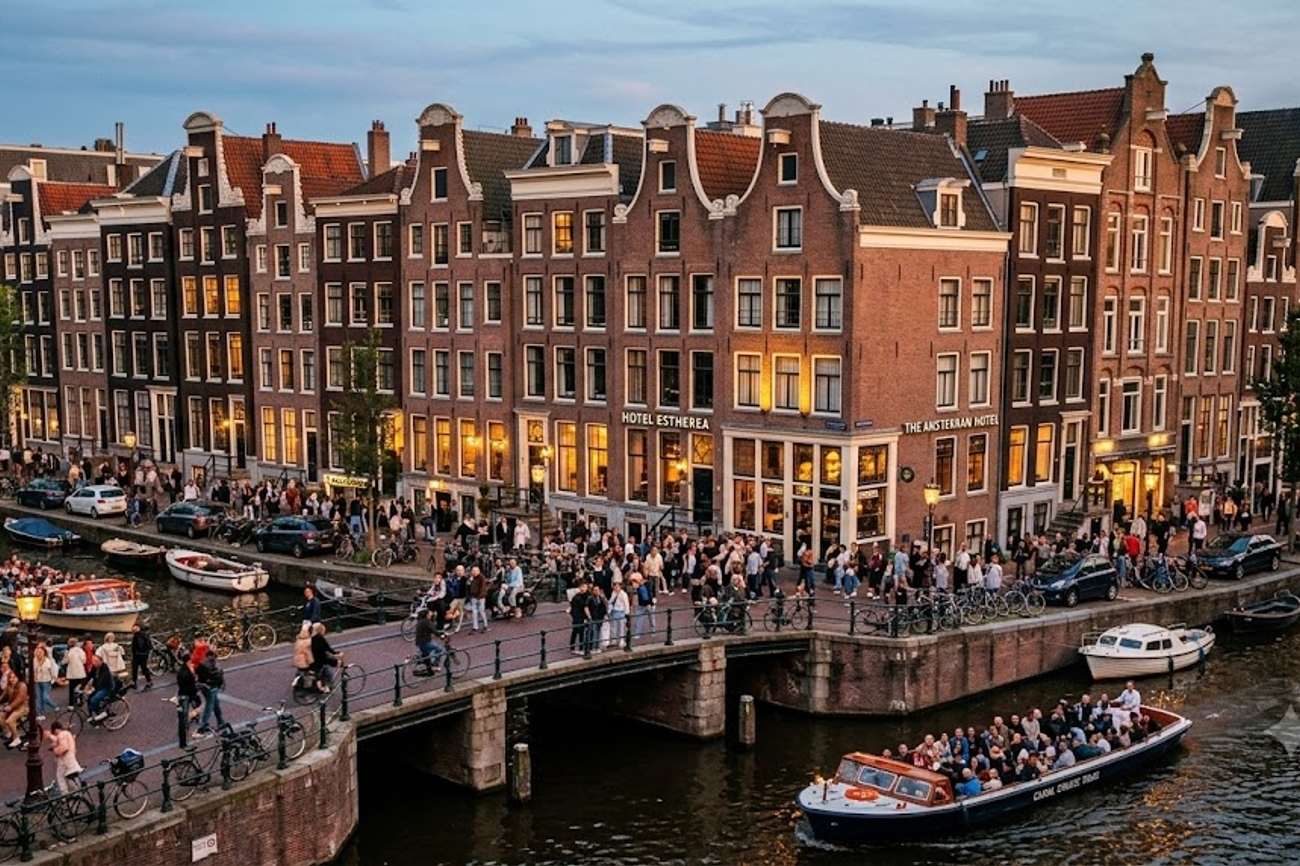
Image generated by AI
[Amsterdam, July 2026] — Amsterdam is aggressively capping its hotel capacity and slashing short-term rental allowances as tourist demand surges toward a projected 29.4 million overnight stays by 2028. Despite a strict "hotel bed freeze" and a rigid "new-for-old" development policy, the city continues to see a rise in the duration of visitor stays, placing unprecedented pressure on the urban infrastructure of the Dutch capital.
The current crisis stems from a widening gap between the city's desire to limit "tourism nuisance" and a market that remains highly attractive to global travelers. While Statistics Netherlands (CBS) reports that the city held 45,296 hotel rooms and 100,649 sleeping places as of July 2026, municipal authorities are actively preventing these numbers from expanding. The city is now prioritizing the relocation of tourism away from the historic center and toward outlying districts to prevent the total collapse of residential livability in the core.
The Regulatory Trigger: The Hotel Bed Freeze
The immediate catalyst for the current market stagnation is a series of restrictive mandates designed to halt the proliferation of tourist beds. On November 28, 2024, the city implemented a formal hotel bed freeze. This regulation prohibits existing hotels from adding any fixed sleeping arrangements—including the installation of additional beds or sofa beds—without explicit municipal approval.
This freeze is bolstered by a "new-for-old" rule. Under this framework, the development of a new hotel is generally only permitted if an existing hotel closes its doors. Even in these rare instances, the replacement property is forbidden from increasing the total overnight capacity of the city. Furthermore, any new project must prove it adds tangible value to the local neighborhood and meets strict quality benchmarks before receiving a permit.
Affected Travelers, Airlines and Logistics: Markets and Metrics
The impact of these policies is felt across three primary sectors: traditional hotels, short-term rental hosts, and international visitors. The following data outlines the scale of the current market and the projected growth that the city is attempting to curb.
Accommodation and Visitor Statistics
| Indicator | Value | Period |
|---|---|---|
| Total Hotels | 523 | July 2026 |
| Total Hotel Rooms | 45,296 | July 2026 |
| Total Sleeping Places | 100,649 | July 2026 |
| Recorded Overnight Stays | 23.7 Million | 2025 |
| Forecasted Overnight Stays | 25.0–29.4 Million | 2028 |
| Tourism-Sector Employment | 76,629 | 2024 |
| Total Guests (CBS) | 9.5 Million | 2025 |
The data reveals a paradoxical trend: while the number of unique visitors has not fully returned to 2019 peaks, the total number of overnight stays is climbing. In 2024, 10 million visitors generated nearly 23 million overnight stays—a 6% increase in stays compared to 2019—indicating that guests are staying longer in the city.
Practical Traveler Advisory and Strategic Insights
For the average traveler, these policy shifts translate into higher costs, lower availability, and a forced change in geography.
1. Higher Room Rates and Lower Availability Because the supply of beds is effectively frozen while demand is forecasted to grow by up to 5.7 million stays by 2028, price competition will drive hotel rates upward. Travelers can no longer rely on the emergence of new hotel stock to stabilize prices.
2. The Death of the Central Airbnb Short-term rentals are under siege. While the standard annual limit for renting a home to tourists is 30 nights, a draconian 15-night annual ceiling took effect on April 1, 2026, for eight specific areas. If you are booking a rental in the following zones, availability will be extremely limited:
Amsterdam's hotel capacity is under significant pressure as the city implements strict zoning laws to curb over-tourism and prioritize residential housing. Travelers seeking updated guidance on sustainable visiting practices and official city regulations can consult Amsterdam & Partners, the city's official marketing and convention bureau.
- Jordaan
- Haarlemmerbuurt
- Parts of the Canal Belt
- Weteringschans
- Nieuwmarkt/Lastage
- Burgwallen-Nieuwe Zijde
- Oude Pijp
3. Forced Decentralization The city is intentionally pushing tourists out of the center. Residents and visitors will find that the most viable accommodation options are shifting toward development zones such as Noord, Nieuw-West, and Zuidoost. Staying in the traditional canal belt is becoming a luxury reserved for those willing to pay a massive premium for dwindling inventory.
The Geography of Pressure: 2027 and Beyond
The municipality has identified specific "pressure zones" where tourism carrying capacity has been exceeded. In 2025, six neighborhoods were officially flagged as being under extreme pressure. These include Nieuwmarkt/Lastage, Burgwallen-Oude and Nieuwe Zijde, and the newly added Grachtengordel-West and Oude Pijp/Nieuwe Pijp.
The city's strategy moving forward is not just about stopping growth, but actively redistributing it. By leveraging the City of Amsterdam planning guidelines, officials are directing any permissible growth toward the city's periphery. This suggests a long-term shift where the "tourist center" of Amsterdam will physically expand, forcing visitors to utilize public transport from outer boroughs to reach the historic core.
Furthermore, the administrative burden for short-term rentals has increased. Hosts must now navigate a mandatory permit process, pay a €76 permit fee, register the property, and report rental periods in advance. These hurdles, combined with the 15-night limit in central districts, are designed to make professional holiday rentals financially unviable.
FAQ: Amsterdam Tourism Restrictions 2026
Can I still book an Airbnb in central Amsterdam? Yes, but options are significantly reduced. In eight central districts, including Jordaan and the Canal Belt, hosts are limited to 15 rental nights per year. You will likely find more availability in districts like Noord or Zuidoost.
Why are hotel prices increasing despite the city's popularity? Prices are rising because the city has implemented a "hotel bed freeze." Since no new rooms can be added and existing hotels cannot add extra beds, the supply remains stagnant while the number of overnight stays continues to grow.
What is the "new-for-old" hotel rule? This policy mandates that a new hotel can generally only be built if an existing one closes. The new property cannot increase the city's total bed count and must provide a documented benefit to the local neighborhood to be approved.
Are there any areas in Amsterdam where tourism is still encouraged? The city is actively encouraging the relocation of tourism toward development areas such as Noord, Nieuw-West, and Zuidoost to relieve pressure on the historic center.
Amsterdam is no longer growing its tourism industry; it is sculpting it.
Related Travel Guides
Disclaimer
This article is for informational and educational purposes only. It does not constitute legal, financial, or professional advice. While we strive to provide accurate and up-to-date information, travel policies, regulations, and conditions change rapidly. Always verify information with official sources before making travel decisions. Nomad Lawyer makes no representations about the accuracy, reliability, completeness, or suitability of the information provided. Readers should consult qualified professionals for advice specific to their circumstances. The views expressed in this article are those of the author and do not necessarily reflect the views of Nomad Lawyer.
Kunal K Choudhary
Co-Founder & Contributor
A passionate traveller and tech enthusiast. Kunal contributes to the vision and growth of Nomad Lawyer, bringing fresh perspectives and driving the community forward.
Learn more about our team →