
Americas Beach Tourism Revenue Surge: Mexico, USA, and Brazil Lead Billion-Dollar Visitor Race in 2026
New 2026 data reveals a massive economic shift in the Americas' beach tourism sector, with Mexico, the USA, and Brazil leveraging record international arrivals to drive billions in foreign exchange.

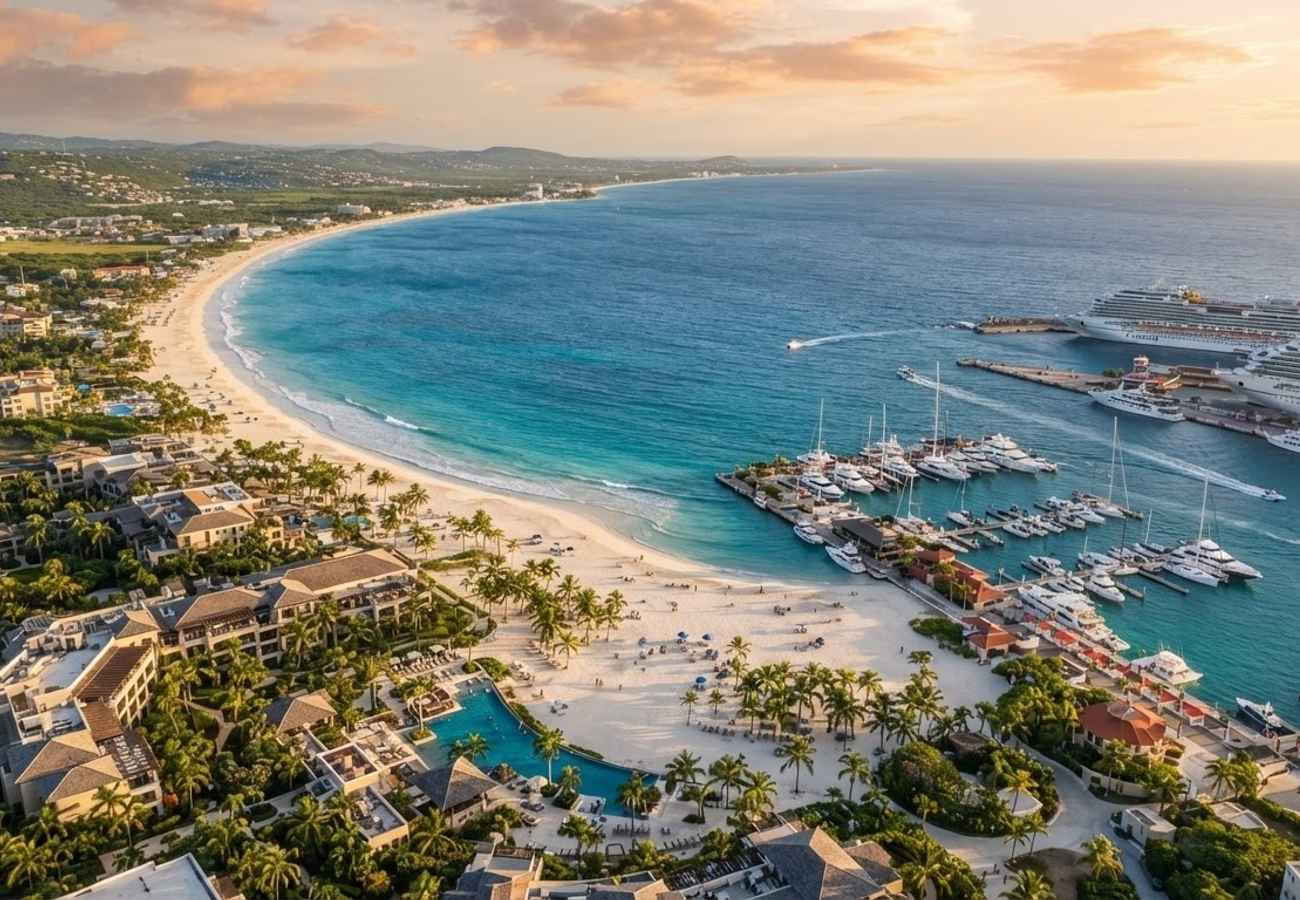
Image generated by AI
The Americas are witnessing a massive economic realignment as beach tourism evolves into a high-stakes billion-dollar competition. From Mexico's record-breaking foreign exchange earnings to the USA's aggressive 2030 visitor targets, coastal destinations are now primary engines for national GDP and job creation.
The Economic Shift in Coastal Tourism
Tourism in the Americas has transitioned from a seasonal leisure activity into a sophisticated revenue-generation machine. Recent data indicates that the "Beach Shockwave" of 2026 is characterized by a fierce contest for international arrivals, cruise market share, and high-value stayover guests. While aesthetic appeal remains a draw, government strategies across Brazil, Mexico, and the Caribbean are now focused on foreign exchange earnings and the diversification of visitor profiles.
Mexico continues to lead the charge, utilizing its massive accessibility to maintain a dominant position. Meanwhile, the United States is leveraging its internal market strength to offset fluctuations in traditional source markets, such as Canada. In South America, Brazil has pivoted toward using tourism as a formal economic tool to drive employment and national growth.
2026 Americas Beach Tourism Performance Metrics
The following data outlines the economic significance and ranking of the leading beach destinations in the Americas for 2026.
| Country | 2026 Ranking | Key Tourism Statistic | Economic Significance |
|---|---|---|---|
| Mexico | #3 | 20.4m international tourists (Jan–May 2026) | US$15.9bn international visitor foreign exchange |
| United States | #6 | 70.5m international visitors (2026 forecast) | Forecast to reach 85.2m by 2030 |
| Brazil | #13 | 9.3m international visitors (2025) | ~US$7.9bn in foreign-exchange revenue |
| Dominican Republic | #25 | 11.68m visitors (2025) | 8.86m air visitors + 2.82m cruise visitors |
| Canada | #27 | C$140.5bn tourism spending (2025) | Tourism represented 1.8% of GDP |
| Costa Rica | #29 | 2.94m international tourists (2025) | US and Canadian markets are primary sources |
| Panama | #42 | 3.00m international visitors (2025) | B/.6.583bn in tourism foreign-exchange revenue |
| Jamaica | #47 | ~US$4bn tourism earnings (2025) | Major foreign-exchange earner |
Regional Market Analysis
North American Powerhouses: Mexico and USA
Mexico's performance is particularly striking. Official DataTur figures show that between January and April 2026, the country recorded 16.5 million international tourists, generating US$13.3 billion in foreign exchange. Mexico has also become the primary overseas destination for Canadians, seeing 673,000 visits in Q4 2025.
The United States, while forecasting 70.5 million international visitors for 2026, is facing shifting dynamics. Statistics Canada reported a 23.5% drop in Canadian trips including a US visit in 2025, highlighting a volatility in source-market behavior that the US is countering with long-term growth targets for 2030.
South American Growth: Brazil
Brazil has successfully turned its coastline into economic firepower. With a record 9.3 million international visitors in 2025 and US$7.9 billion in revenue, the Brazilian government is now integrating tourism into a broader national plan to increase formal employment and lift international arrival quotas.
Caribbean Dynamics: Cruise vs. Stayover
In the Caribbean, the economic narrative differs by destination:
- Turks and Caicos (#15): Exhibits a heavy reliance on cruise tourism, with 1.30 million cruise arrivals in 2025 compared to 637,000 stayover guests.
- The Bahamas (#16): Operates a dual-engine economy, balancing short-term cruise spending with high-value overnight expenditures.
- Anguilla (#22): Focuses on high-value, low-volume tourism, prioritizing expenditure per visitor over raw arrival numbers.
- Antigua and Barbuda (#23): Diversifying into MICE (Meetings, Incentives, Conferences, and Exhibitions) to reduce reliance on traditional leisure cycles.
Traveler Logistics Guide: Navigating the Americas
From a ground-level perspective, the best way to navigate these high-traffic destinations in 2026 is to align your travel with the shifting infrastructure priorities of these nations.
Booking and Connections For those visiting Mexico or the Caribbean, prioritize flights into primary hubs (like Cancun or Nassau) but book regional transfers at least 60 days in advance. With the surge in visitor numbers, ground transportation from airports to resorts is seeing unprecedented demand.
Navigating Customs and Entry Travelers should stay updated on digital transit policies. For those entering the US or Canada, ensure all digital travel authorizations are processed 72 hours before departure to avoid delays at peak-season checkpoints. In the Caribbean, cruise passengers should be aware that port-of-call requirements can change rapidly based on maritime registry updates.
Optimal Layover Strategies If connecting through Panama City or Santo Domingo, allow a minimum of three hours for international transfers. These hubs are experiencing increased volume due to the "Beach Shockwave," and customs processing times have increased.
Infrastructure Impact Assessment
The aggressive pursuit of tourism revenue is forcing a rapid upgrade in regional infrastructure. We are seeing a shift toward "high-value" infrastructure—luxury resorts, expanded cruise terminals, and MICE-ready conference centers—rather than just expanded airport runways. This shift is designed to attract visitors who spend more per day, reducing the environmental strain of mass tourism while maintaining GDP growth.
The diversification seen in Antigua and Barbuda's 2026 budget suggests a broader trend: the Americas are moving away from the "sun and sand" monoculture toward a diversified tourism economy that can withstand global market volatility.
The battle for the Americas' coastlines is no longer about beauty, but about the precision of economic engineering.
Related Travel Guides
Disclaimer
This article is for informational and educational purposes only. It does not constitute legal, financial, or professional advice. While we strive to provide accurate and up-to-date information, travel policies, regulations, and conditions change rapidly. Always verify information with official sources before making travel decisions. Nomad Lawyer makes no representations about the accuracy, reliability, completeness, or suitability of the information provided. Readers should consult qualified professionals for advice specific to their circumstances. The views expressed in this article are those of the author and do not necessarily reflect the views of Nomad Lawyer.
Raushan Kumar
Founder & Lead Developer
Full-stack developer with 11+ years of experience and a passionate traveller. Raushan built Nomad Lawyer from the ground up with a vision to create the best travel and law experience on the web.
Learn more about our team →