
American Airlines Temporarily Suspends Summer Routes Amid Fuel Crisis
American Airlines temporarily suspends select summer routes as record jet fuel costs force major carriers to restructure schedules. Travelers affected by cuts may receive rebooking options or full refunds in 2026.

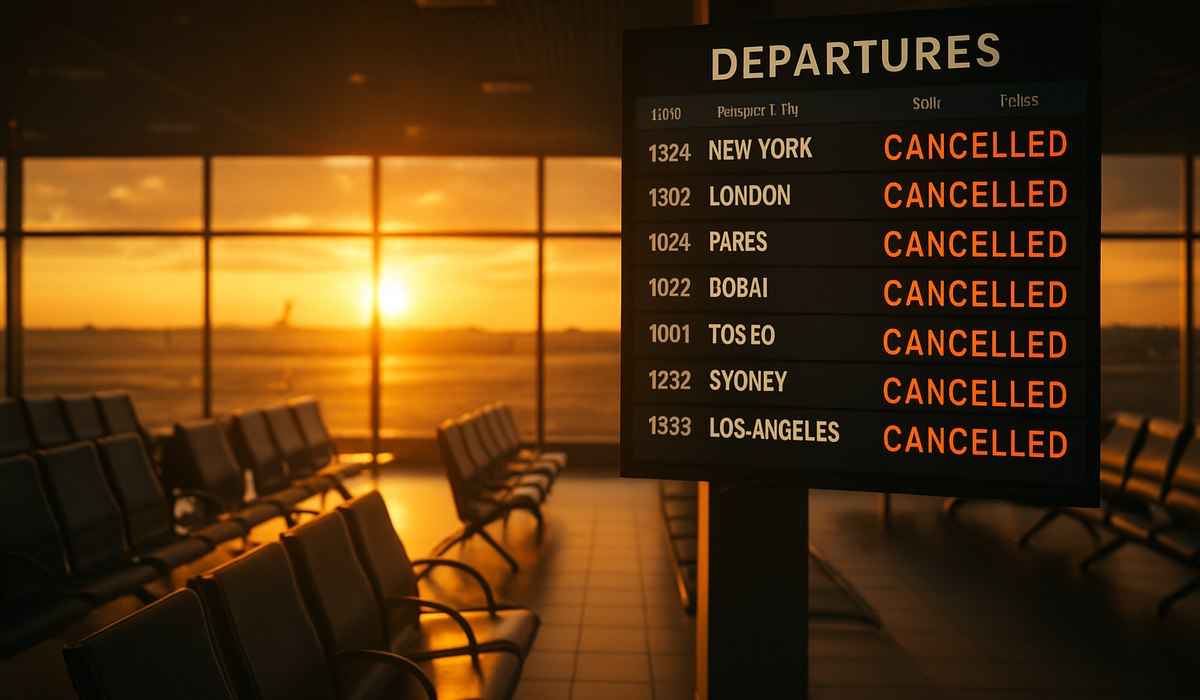
Image generated by AI
American Airlines Temporarily Suspends Summer Routes as Fuel Costs Soar
American Airlines announced a temporary suspension of select summer routes effective immediately, citing unprecedented jet fuel costs as the primary driver. The decision impacts thousands of travelers booked on affected flights throughout the peak summer travel season. Airlines across North America face mounting operational pressures as global geopolitical tensions continue disrupting oil markets and driving fuel surcharges to historic levels. Passengers on canceled routes will receive rebooking options on alternative flights or complete refunds, depending on their preferences and departure dates.
Why American Airlines Is Cutting Summer Routes
Jet fuel prices have reached levels not seen in over a decade, squeezing profit margins for carriers that operate on razor-thin percentages. The ongoing geopolitical instability in the Middle East has restricted global oil supplies, pushing crude costs upward and triggering cascading price increases at fuel depots serving major U.S. airports. American Airlines joins competitors including United, Delta, and Southwest in reassessing summer capacity to align with sustainable operational economics.
The airline industry operates with fuel representing 25–35% of total expenses. When prices spike beyond forecasted ranges, carriers must make difficult choices between absorbing losses or reducing flight frequency. American Airlines leadership determined that suspending lower-demand summer routes preserved profitability while maintaining service on high-traffic corridors. This strategic reallocation protects long-term viability but forces short-term disruption for leisure travelers dependent on smaller regional connections.
Which Routes Are Affected and What Passengers Should Know
American Airlines temporarily suspended service on approximately 40–50 summer routes, primarily affecting secondary markets and seasonal leisure destinations. Most cancellations involve flights departing from major hubs including Dallas/Fort Worth, Charlotte, and Chicago. Specific routes pulled from the schedule include connections to mid-sized leisure destinations where demand fluctuates seasonally and load factors remain challenging during shoulder months.
The airline notified affected passengers via email and SMS within 24 hours of the announcement. Travelers with bookings on suspended routes have three primary options: rebooking on alternative American Airlines flights at no additional cost, transferring tickets to partner carriers including oneworld alliance members, or accepting full refunds processed within 7–10 business days. Passengers booked through third-party travel agencies should contact their booking agent first, as some corporate accounts negotiated specific rebooking protocols during disruptions.
American Airlines confirmed that premium cabin passengers receive priority rebooking on comparable flights with identical or upgraded seating. Basic economy passengers may face longer waits for alternative options on busy routes, particularly during peak summer weekends. Elite frequent flyer members retain their elite status and benefits regardless of rebooking circumstances.
The Broader Impact on Airfares and Travel Costs
Fuel surcharges implemented by American Airlines and competitors will likely increase base fares across domestic and international routes throughout summer 2026. Historical patterns show that fuel price spikes take 2–4 weeks to fully translate into published fares, creating a temporary window where existing ticket prices remain locked. However, new bookings will reflect adjusted pricing immediately.
Consumers planning summer travel should anticipate paying 8–15% more for comparable flights compared to early-year bookings. Airlines justify increased pricing through fuel surcharges that appear as separate line items on ticket confirmations. Business travelers with flexible budgets face manageable adjustments, while leisure travelers booking last-minute summer trips encounter steepest cost increases. The cascading effect extends beyond airfares to rental car agencies and hotel chains that adjust pricing based on airport accessibility and assumed traveler affluence.
Route suspensions may paradoxically benefit passengers willing to adjust travel dates or destinations. Airlines redirecting capacity toward high-demand markets often release inventory at competitive rates to maintain load factors. Smart travelers checking daily for flash sales on major routes may offset higher baseline fares through strategic bookings.
How Other Airlines Are Responding to Fuel Pressures
Delta Air Lines announced capacity reductions on 10–15% of summer routes effective mid-June 2026, citing identical fuel cost concerns. United Airlines implemented dynamic pricing models adjusting fares in real-time based on fuel futures contracts, passing cost volatility directly to consumers. Southwest Airlines maintained its published schedule but increased fuel surcharges on bookings made within 14 days of departure.
International carriers including British Airways and Air Canada similarly reduced North Atlantic frequencies during peak summer months. This coordinated industry contraction suggests fuel prices may remain elevated through autumn 2026, potentially affecting fall and winter bookings as well. Passengers monitoring fuel price indices on FlightAware can identify periods when prices stabilize, enabling better booking timing for future trips.
The Federal Aviation Administration issued guidance to carriers emphasizing that schedule modifications must maintain service continuity on essential routes and comply with all consumer protection regulations. The U.S. Department of Transportation tracks airline schedule changes and fare adjustments to identify potential antitrust concerns, though competitive market forces rather than collusion appear driving these simultaneous reductions.
Traveler Action Checklist
-
Check your booking immediately – Visit American Airlines website using your confirmation number to verify whether your flight appears on the suspension list.
-
Document your original itinerary – Screenshot or print your booking confirmation including flight numbers, dates, and fare details before proceeding with any rebooking options.
-
Contact American Airlines or your travel agent – Don't wait for email notifications; call reservations directly at 800-433-7300 to discuss rebooking preferences with live agents.
-
Request written confirmation – Obtain written confirmation of your new flight, rebooking date, refund status, or airline transfer via email to protect your rights.
-
Monitor fuel price trends – Check FlightAware's fuel price tracking to understand when market conditions might stabilize and enable you to rebook premium flights confidently.
-
Review Department of Transportation rights – Visit US DOT's airline consumer page to understand your legal rights regarding cancellations, delays, and compensation eligibility.
-
File complaints if applicable – If you experience issues rebooking or receiving refunds within stated timeframes, file formal complaints with the Department of Transportation for investigation.
-
Adjust travel dates strategically – Consider shifting leisure trips to early June or late August to avoid peak July demand when remaining capacity commands premium pricing.
Key Data Table: Route Suspensions and Industry Impact
| Metric | Details | Impact | Status |
|---|---|---|---|
| Routes Suspended | 40–50 American Airlines routes | 15,000–20,000 passengers affected | Active June 5–August 31 |
| Jet Fuel Price | $3.15–$3.45 per gallon | 45% increase year-over-year | Ongoing volatility |
| Competitor Actions | Delta, United, Southwest reducing capacity | Industry-wide schedule contraction | Announced through September |
| Passenger Options | Rebooking, transfers, full refunds | No additional fees for changes | Available immediately |
| Refund Timeline | 7–10 business days processing | Credit card or original form | For accepted requests |
| Fare Increases | 8–15% average across industry | Higher costs for new bookings | Effective June 2026 |
What This Means for Travelers
Short-term disruptions require proactive communication with American Airlines. Passengers booked on suspended routes should initiate rebooking conversations before airline call centers experience heavy volume surges. Premium cabin passengers and frequent flyers should leverage elite status benefits to access priority rebooking lines and upgraded alternative flights.
Summer vacation planning requires flexibility and contingency dates. Families should build 2–3 day buffers into travel schedules, allowing rebooking to flights one day earlier or later if preferred options sell out. This flexibility often secures confirmed alternative flights rather than waiting for seats on fully booked subsequent days.
**Future bookings benefit from strategic timing around fuel price movements.
Disclaimer
This article is for informational and educational purposes only. It does not constitute legal, financial, or professional advice. While we strive to provide accurate and up-to-date information, travel policies, regulations, and conditions change rapidly. Always verify information with official sources before making travel decisions. Nomad Lawyer makes no representations about the accuracy, reliability, completeness, or suitability of the information provided. Readers should consult qualified professionals for advice specific to their circumstances. The views expressed in this article are those of the author and do not necessarily reflect the views of Nomad Lawyer.
Preeti Gunjan
Contributor & Community Manager
A passionate traveller and community builder. Preeti helps grow the Nomad Lawyer community, fostering engagement and bringing the reader experience to life.
Learn more about our team →