
American Airlines Flight AA9788 Performs Tulsa Air Turnback 2026
American Airlines flight AA9788 executed a four-hour fuel-burn holding pattern before returning to its Tulsa maintenance base.

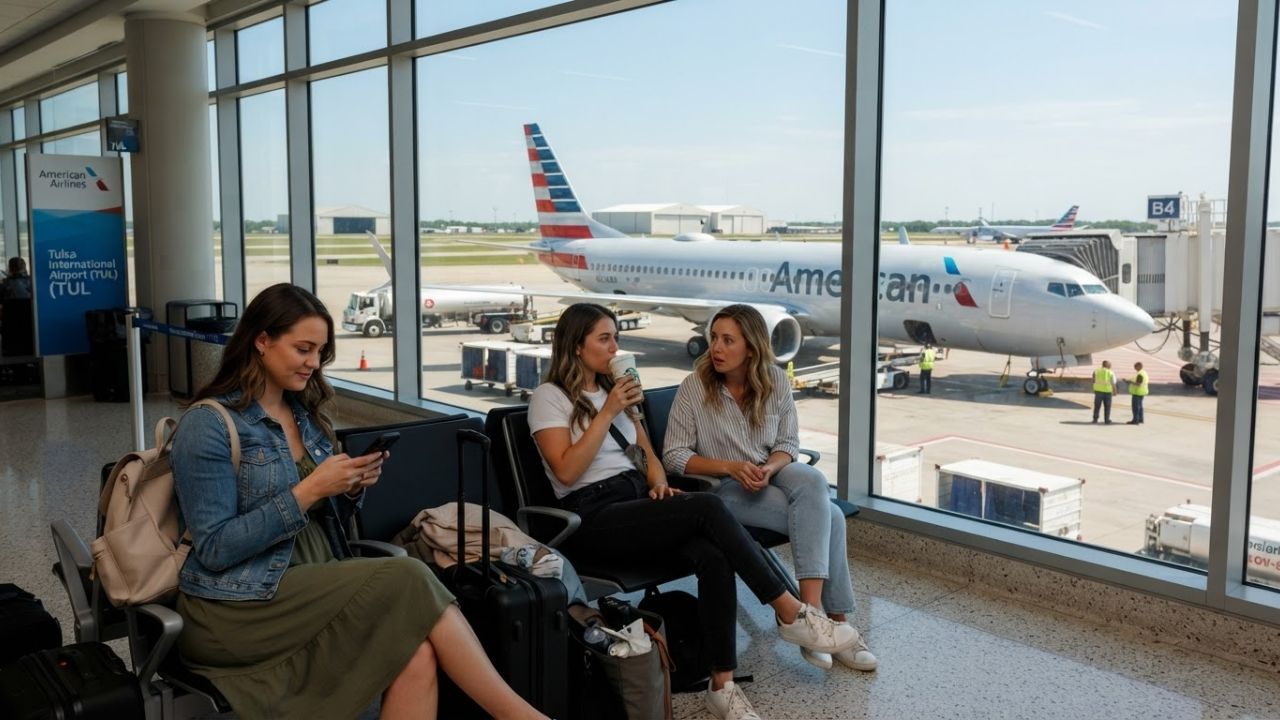
Image generated by AI
American Airlines Flight AA9788 Performs Four-Hour Air Turnback to Tulsa Engineering Base After Technical Disruption in July 2026
An American Airlines Boeing 737 MAX 8 operating a positioning or maintenance ferry flight executed a four-hour air turnback to Tulsa International Airport on July 10, 2026. The flight crew aborted the route to Miami shortly after takeoff to return to the carrier's primary maintenance base.
Technical Anomaly Triggers Return to Origin
An operational disruption occurred on July 10, 2026, when American Airlines flight AA9788 aborted its scheduled positioning route from Tulsa International Airport (TUL) to Miami International Airport (MIA). Operating a Boeing 737 MAX 8 narrowbody jetliner, registered under tail number N343RY, the flight crew initiated a Return to Origin (RTO) protocol shortly after takeoff.
Flight tracking systems indicate the aircraft pushed back at 09:00 AM, departed at 09:17 AM, and remained airborne for nearly four hours. The aircraft completed a prolonged holding pattern before landing safely back at the departure airport at 1:04 PM local time.
Operational Logic of Maintenance and Ferry Flights
Aviation tracking analysts note that four-digit flight numbers beginning with the number nine generally designate non-scheduled ferry movements, positioning flights, or charter operations. Because the aircraft was transitioning to Miami, returning to Tulsa was the most logical operational choice.
Tulsa International Airport serves as the central engineering and maintenance headquarters for American Airlines. Reversing course directly to this base ensured the carrier's specialized technicians could immediately inspect the aircraft's systems and execute required repairs.
Managing Landing Weight Limits with Fuel Burn Patterns
The primary reason for the extended four-hour flight duration was the aircraft's heavy fuel load. The maximum takeoff weight of a commercial airliner is significantly higher than its maximum structural landing weight, meaning a fully fueled plane is too heavy to touch down immediately without risking structural damage.
To reduce weight to safe landing parameters, the flight crew entered a designated holding pattern to burn off excess jet fuel. Pilots must carefully manage these fuel-burn procedures to comply with structural landing weight regulations before making a safe approach back to the runway.
Fleet Tracking Details and Equipment Verification
In initial tracking logs, the aircraft was misidentified as an Airbus frame, which features different cockpit and system architectures. Aviation databases confirm the aircraft involved was a Boeing 737 MAX 8, a single-aisle jetliner featuring unique aerodynamic profiles and flight management systems.
Safety analysts track specific tail numbers, such as N343RY, across commercial schedules to monitor chronic component faults and verify airworthiness compliance. By maintaining precise tail records, operators can distinguish between routine ferry flights and active passenger service delays.
Flight AA9788 Operational Parameters
| Parameter | Flight Details |
|---|---|
| Flight Number | AA9788 |
| Origin Airport | Tulsa International Airport (TUL) |
| Destination Airport | Miami International Airport (MIA) (Aborted) |
| Return Airport | Tulsa International Airport (TUL) |
| Departure Time (Takeoff) | 09:17 AM |
| Landing Time (TUL) | 01:04 PM |
| Airborne Duration | 3 hours, 47 minutes |
| Aircraft Type | Boeing 737 MAX 8 |
| Aircraft Registration | N343RY |
| Primary Base Location | American Airlines Maintenance Base (Tulsa) |
Key Takeaways
- Ferry Flight Turnback: American Airlines flight AA9788, a positioning ferry flight, aborted its route to Miami on July 10, 2026.
- Tulsa Maintenance Base: The aircraft returned to Tulsa (TUL) to access the carrier's primary engineering headquarters for technical inspection.
- Landing Weight Safety: The Boeing 737 MAX 8 completed a four-hour holding pattern to burn off fuel and avoid an overweight landing.
- No Passenger Impact: Because the flight was a non-revenue positioning flight, no ticketed passengers were onboard the aircraft during the turnback.
FAQ
Why did flight AA9788 circle for nearly four hours before landing?
The Boeing 737 MAX 8 had loaded fuel for a flight to Miami. Because the plane was too heavy to land safely immediately after takeoff, it had to enter a holding pattern to burn off excess fuel and meet maximum structural landing weight regulations.
What is a positioning flight in aviation?
A positioning flight (often designated with flight numbers starting with 9) is a non-passenger, non-revenue flight used to move an aircraft from one airport to another for scheduling, maintenance, or charter requirements.
Are passengers entitled to compensation during a positioning flight delay?
No. Because positioning flights do not carry revenue passengers, standard passenger rights frameworks (such as DOT rules) do not apply. However, any scheduled passenger flight delayed due to the subsequent aircraft rotation would be covered under standard airline rebooking policies.
Disclaimer
This article is for informational and educational purposes only. It does not constitute legal, financial, or professional advice. While we strive to provide accurate and up-to-date information, travel policies, regulations, and conditions change rapidly. Always verify information with official sources before making travel decisions. Nomad Lawyer makes no representations about the accuracy, reliability, completeness, or suitability of the information provided. Readers should consult qualified professionals for advice specific to their circumstances. The views expressed in this article are those of the author and do not necessarily reflect the views of Nomad Lawyer.
Kunal K Choudhary
Co-Founder & Contributor
A passionate traveller and tech enthusiast. Kunal contributes to the vision and growth of Nomad Lawyer, bringing fresh perspectives and driving the community forward.
Learn more about our team →