
American Airlines Sparks Industry Debate Over Low-Cost Domestic First Class Upgrades
American Airlines draws attention as reports of $35 domestic first class buy-ups emerge, impacting frequent flyer expectations and elite upgrade loyalty rewards.

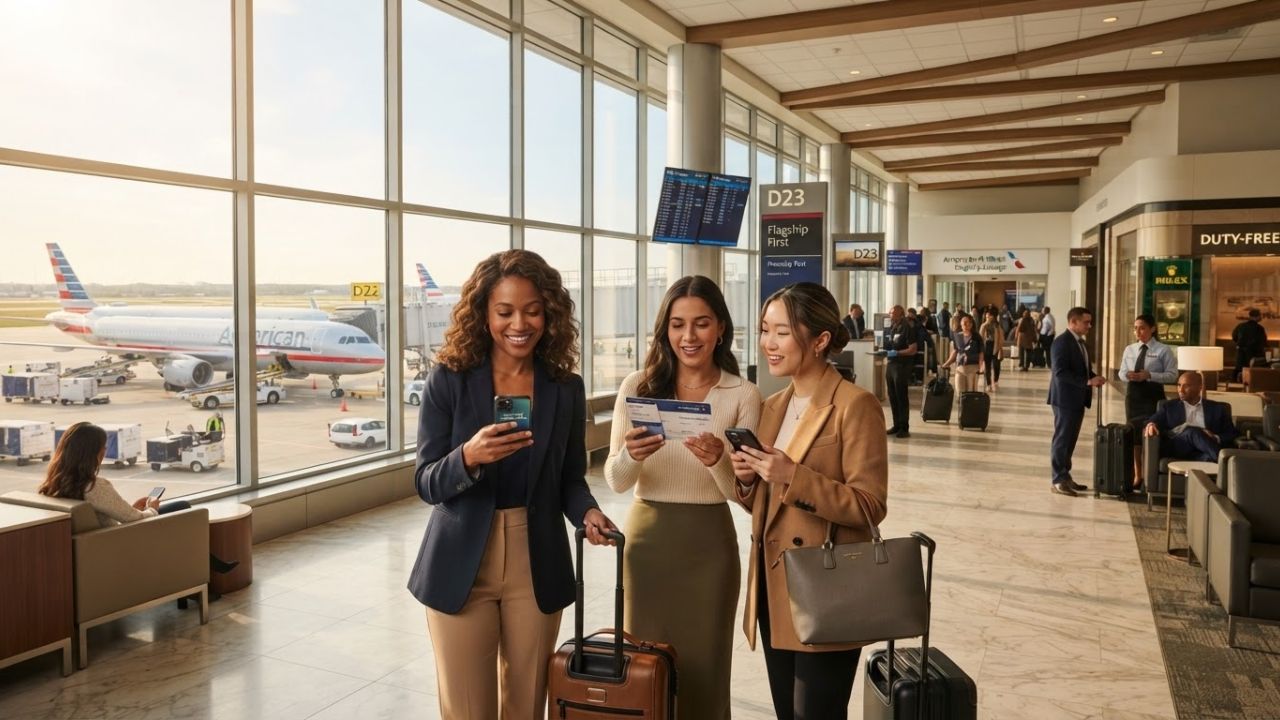
Image generated by AI
American Airlines first class upgrades are being offered for as low as $35 to economy passengers, bypassing traditional loyalty program priorities. This pricing shift is reshaping AAdvantage elite member expectations and sparking debate about the value of frequent flyer status.
Discounted Buy-Up Offers Bypass Traditional Upgrade Queues
According to reports, pricing changes rolled out by American Airlines indicate that domestic first class upgrades are being sold to economy passengers for as low as $35. Travelers passing through major hubs like Chicago O'Hare International Airport have observed these offers appearing in mobile booking applications.
The low-cost upgrades are being offered 24 to 28 hours prior to flight departure.
In many instances, these discounted buy-up offers are targeted at non-status passengers while high-tier members remain waitlisted for complimentary upgrades.
This dynamic pricing behavior represents a significant departure from traditional airline loyalty queue hierarchies.
Carriers Prioritize Late Monetization Over Loyalty Perks
Aviation observers note that modern revenue management systems are programmed to treat unsold premium seats as late monetization inventory. Rather than releasing empty seats early to loyal frequent flyers, carriers hold seats back until the final hours before departure.
By utilizing machine learning algorithms, airlines can predict demand and adjust upgrade prices dynamically in real time.
If the algorithm determines that a seat is unlikely to sell at full fare, it releases a micro-upgrade offer to capture incremental revenue.
For airlines, securing even $35 in additional revenue from an otherwise empty seat is seen as a financial benefit.
Upgrade Metrics and Elite Priority Structures
The tables below display the comparative upgrade pricing metrics and the impact of dynamic buy-ups on AAdvantage elite tier benefits.
Domestic First Class Upgrade Offer Pricing Structures
| Route Category | Typical Flight Duration | Dynamic Upgrade Price Range | Availability Notification Window | Target Passenger Segment |
|---|---|---|---|---|
| Short-haul Corridor | Under 2 hours | $35 - $60 | 24 hours before departure | Economy Class ticket holders |
| Medium-haul Corridor | 2 to 4 hours | $75 - $150 | 24 to 48 hours before departure | Economy Class ticket holders |
| Transcontinental Route | Over 4 hours | $199 - $350 | Up to 72 hours before departure | Select economy cabin bookings |
Elite Loyalty Tiers vs. Paid Micro-Upgrade Access
| AAdvantage Status Tier | Traditional Upgrade Priority | Current System Clearance Status | Perceived Value of Status Tiers | Customer Loyalty Risk |
|---|---|---|---|---|
| AAdvantage Executive Platinum | Highest (120-hour window) | Delayed by dynamic paid offers | Decreasing rapidly | High (Loyalty consolidation risk) |
| AAdvantage Platinum Pro | High (72-hour window) | Displaced by low-cost buy-ups | Moderate | High (Carrier switching potential) |
| AAdvantage Platinum | Medium (48-hour window) | Rarely clears on peak routes | Low | Moderate (Priority shift to low fare) |
Elite Frequent Flyers Question AAdvantage Tier Value
The frequent flyer program managed under AAdvantage guidelines shows that complimentary upgrades are a primary incentive for achieving elite status. Status requires significant annual spend and flight segments, making the displacement of status members a point of friction.
Elite flyers report that they are increasingly traveling in economy cabins despite empty seats remaining in first class.
Some frequent flyers are shifting their booking habits to select flights based purely on price rather than loyalty program alignment.
This transactional model reduces the lifetime value of elite customers to secure short-term incremental revenue.
Why This Matters
Our analysis of the flight data indicates that this pricing shift reflects the transition of airlines into algorithmic retailing networks. As airlines modernize their reservation systems to bypass legacy global distribution structures, they gain complete control over dynamic cabin pricing.
Under this retail-oriented model, a seat is treated as a perishable commodity whose price must be continuously adjusted to clear inventory.
Securing a guaranteed $35 from a leisure traveler is prioritized over rewarding an elite flyer with a complimentary upgrade.
While this approach maximizes short-term unit revenue (RASM), it risks eroding the long-term corporate contract revenue that sustains legacy carriers.
Corporate travelers who feel their status is devalued may redirect their business to carriers that maintain more predictable upgrade policies.
Industry Outlook
Market trends suggest that U.S. carriers will continue to expand real-time microtransactions to capture marginal cabin revenue. The adoption of AI-driven pricing algorithms is expected to increase across all major alliance networks.
Expect American Airlines to adjust AAdvantage qualification rules to attempt to balance elite customer retention with revenue optimization. The domestic premium cabin market is projected to remain highly competitive.
Key Takeaways
- Micro-upgrades: American Airlines is offering domestic first class upgrades starting at $35.
- Status Displacement: Elite flyers are seeing paid buy-up offers displace complimentary upgrade clearance.
- Dynamic Retailing: Airlines utilize real-time demand algorithms to monetize empty premium seats before departure.
- Loyalty Shift: Frequent flyers are questioning the value of AAdvantage elite status thresholds.
- Mid-Route Impact: The low-cost upgrades are appearing on key domestic routes, including flights out of Chicago O'Hare.
FAQ
Why is American Airlines offering first class upgrades for $35?
The airline utilizes dynamic pricing algorithms to monetize premium seats that are projected to remain empty at departure.
How does this affect AAdvantage elite complimentary upgrades?
Discounted paid upgrade offers are cleared ahead of complimentary elite upgrades, reducing the upgrade success rate for status members.
When do these low-cost upgrade offers appear?
Passengers typically receive notifications via the mobile application between 24 and 28 hours before scheduled flight departures.
Can anyone buy these discounted upgrades?
Yes, the dynamic buy-up offers are frequently targeted at economy class ticket holders regardless of their elite status level.
Related Travel Guides
Disclaimer
This article is for informational and educational purposes only. It does not constitute legal, financial, or professional advice. While we strive to provide accurate and up-to-date information, travel policies, regulations, and conditions change rapidly. Always verify information with official sources before making travel decisions. Nomad Lawyer makes no representations about the accuracy, reliability, completeness, or suitability of the information provided. Readers should consult qualified professionals for advice specific to their circumstances. The views expressed in this article are those of the author and do not necessarily reflect the views of Nomad Lawyer.
Kunal K Choudhary
Co-Founder & Contributor
A passionate traveller and tech enthusiast. Kunal contributes to the vision and growth of Nomad Lawyer, bringing fresh perspectives and driving the community forward.
Learn more about our team →