
American Airlines Rejects United Merger Proposal, Citing Competitive and Regulatory Concerns
Breaking airline news and aviation industry updates for 2026.

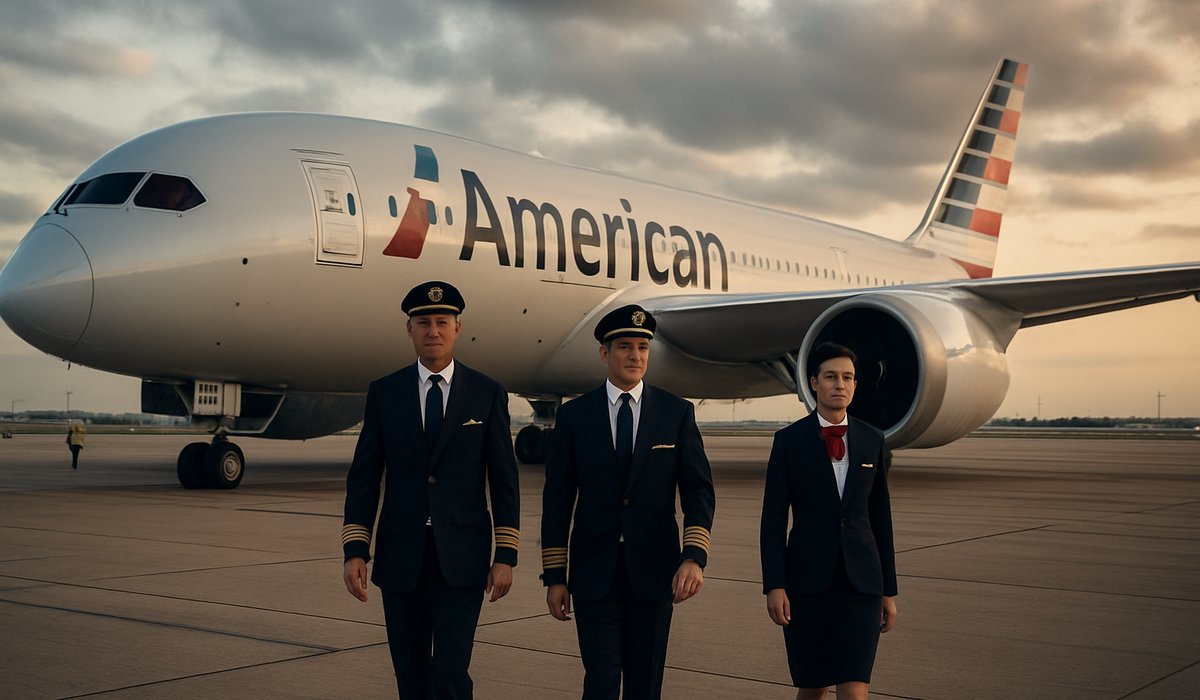
Image generated by AI
American Airlines Rejects United Merger Proposal, Citing Competitive and Regulatory Concerns
Major U.S. carriers distance themselves as industry consolidation debate resurfaces amid evolving market conditions
Merger Talks Collapse Before Gaining Traction
American Airlines has firmly rejected preliminary discussions regarding a potential merger with United Airlines, marking a significant moment in ongoing industry consolidation debates. The dismissal, communicated through an official statement released Friday, signals that the nation's third and fourth-largest carriers have no immediate plans to combine operations despite mounting pressures reshaping the U.S. aviation landscape.
The rejection underscores deepening divisions within the legacy carrier sector, even as fuel price volatility, labor cost increases, and competitive pressures continue to reshape airline economics across North America.
Strategic Positioning in a Consolidated Industry
American Airlines' decision reflects broader concerns about regulatory approval and competitive implications. The U.S. airline industry has already witnessed significant consolidation over the past decade, with major mergers including Delta-Northwest and US Airways-American Airlines fundamentally altering market competition.
A merger between American and United would have created unprecedented market concentration on key domestic and international routes, triggering inevitable antitrust scrutiny from the Department of Justice. Such regulatory headwinds have grown increasingly formidable following heightened government attention to airline market concentration and consumer protection.
Industry Context: Competition Over Consolidation
American Airlines' rebuff suggests the carrier remains confident in its standalone competitive position, particularly given recent operational improvements and revenue management initiatives. The airline has invested substantially in fleet modernization and capacity optimization rather than pursuing expansion through acquisition.
United Airlines has faced its own operational and reputational challenges in recent years, which may have influenced American's calculus regarding strategic partnership opportunities. Both carriers continue competing intensely for domestic and international passengers across overlapping networks.
Broader Implications for Aviation Markets
The rejection highlights a critical moment in aviation strategy. Rather than pursuing mergers, legacy carriers are increasingly focusing on operational efficiency, dynamic pricing models, and ancillary revenue streams—including expanded baggage charges and seat selection fees—to maximize profitability amid persistent jet fuel cost pressures.
This divergence in strategy suggests the industry may be shifting away from consolidation-driven growth toward optimization-based competitiveness. For consumers, this trajectory could mean continued competitive pricing pressures on main cabin fares, offset by expanded fees for ancillary services.
Frequently Asked Questions
Q: Why would airlines pursue mergers given regulatory scrutiny? A: Mergers promise operational synergies, cost reductions, and increased negotiating power with suppliers. However, antitrust concerns often outweigh these benefits for major carriers.
Q: How do airline mergers affect baggage fees and ticket prices? A: Consolidation typically reduces competition, potentially enabling higher fares but also allowing carriers to standardize fee structures across combined networks.
Q: What alternatives do airlines pursue instead of mergers? A: Carriers focus on fleet efficiency, revenue optimization, labor agreements, and ancillary service expansion to improve profitability without regulatory complications.
Q: How do jet fuel prices influence merger decisions? A: Rising fuel costs reduce acquisition appeal by increasing combined operating expenses, making standalone optimization more financially attractive.
Q: Could American and United reconsider merger talks in the future? A: Possibly, but only under dramatically different market or regulatory conditions, such as significant economic disruption or antitrust law changes.
Related Travel Guides
Flight Delay Compensation Guide 2026
Understanding Airline Route Changes
Airport Security Process Updated (2026)
External Resources
Disclaimer
This article is for informational and educational purposes only. It does not constitute legal, financial, or professional advice. While we strive to provide accurate and up-to-date information, travel policies, regulations, and conditions change rapidly. Always verify information with official sources before making travel decisions. Nomad Lawyer makes no representations about the accuracy, reliability, completeness, or suitability of the information provided. Readers should consult qualified professionals for advice specific to their circumstances. The views expressed in this article are those of the author and do not necessarily reflect the views of Nomad Lawyer.
Preeti Gunjan
Contributor & Community Manager
A passionate traveller and community builder. Preeti helps grow the Nomad Lawyer community, fostering engagement and bringing the reader experience to life.
Learn more about our team →