
American Airlines Deploys Smart Boarding Gates at Dallas-Fort Worth, Targets 40% Efficiency Surge This Summer
American Airlines installs electronic boarding gates at DFW International Airport, promising 40% operational efficiency gains by summer 2026.

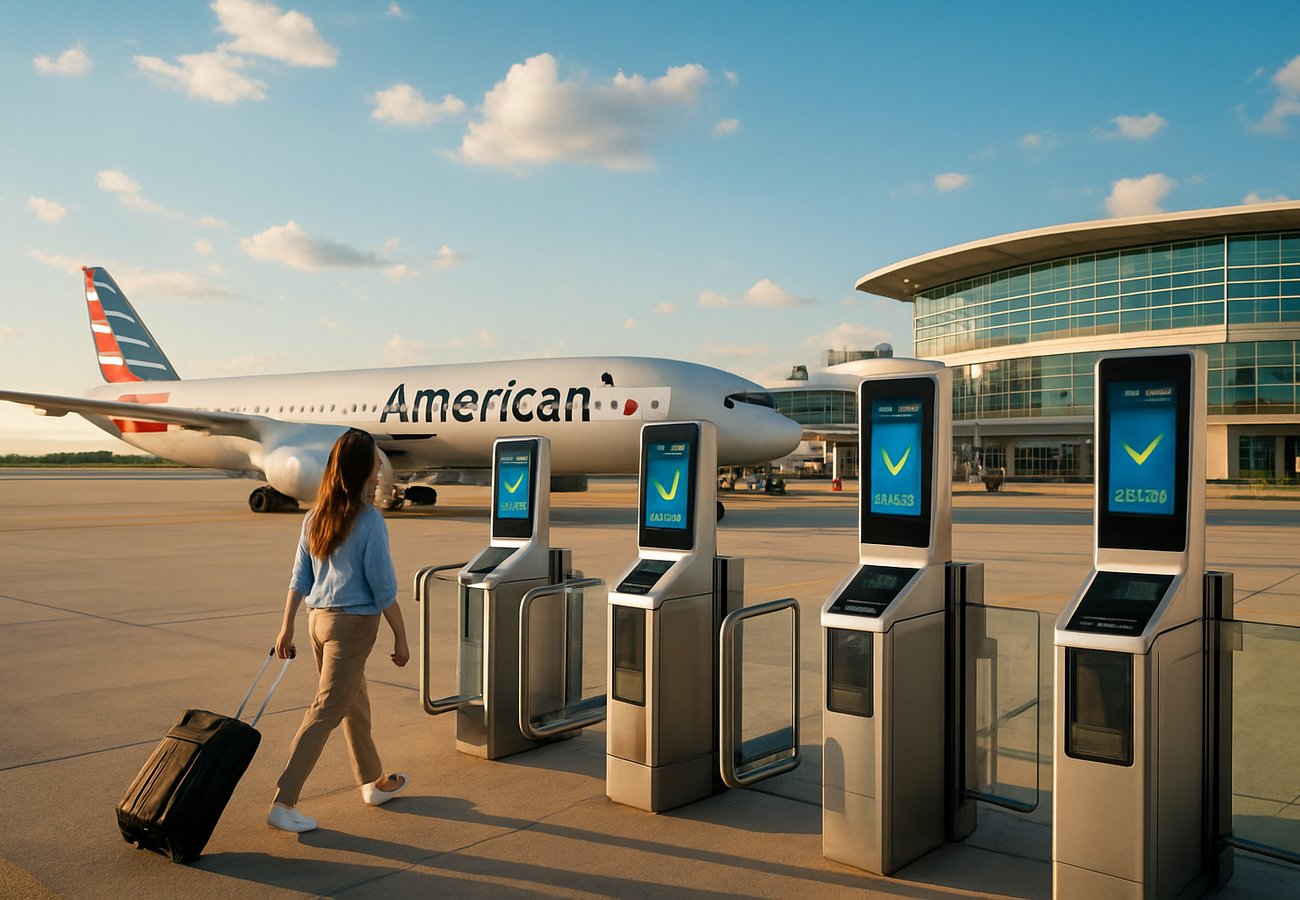
Image generated by AI
American Airlines is making a significant technological leap at Dallas-Fort Worth International Airport (DFW), rolling out state-of-the-art electronic boarding gates designed to slash operational delays and streamline passenger embarkation. The carrier has announced that the new system will deliver a remarkable 40% efficiency improvement when fully operational this summer, marking one of the most ambitious airport infrastructure upgrades in the region this year.
The deployment of these smart boarding gates represents a watershed moment for global aviation as carriers grapple with mounting pressure to reduce turnaround times and enhance passenger experience. Traditional manual boarding processes have long been a bottleneck in airport operations, contributing to cascading delays that ripple across flight networks. By automating gate operations and integrating real-time passenger data, American Airlines aims to reclaim valuable minutes at one of North America's busiest aviation hubs, potentially affecting thousands of daily travelers.
The electronic gates leverage advanced biometric scanning, automated door sequencing, and integrated flight management systems that communicate directly with American Airlines operational control centers. This technological infrastructure allows ground crews to process boarding with unprecedented speed while maintaining rigorous safety protocols. The system's architecture also enables predictive maintenance alerts, reducing unexpected gate malfunctions that have historically contributed to flight delays. Industry analysts point to similar implementations at international airports as proof of concept, with carriers reporting measurable improvements in on-time performance and reduced aircraft turnaround times.
DFW International Airport, which handled over 75 million passengers annually pre-pandemic, serves as a critical hub for American Airlines operations across domestic and international routes. The efficiency gains achieved through this modernization directly impact air travel costs and scheduling reliability for passengers connecting through the sprawling Texas facility. Enhanced gate throughput means fewer aircraft holding patterns, reduced fuel consumption per flight, and ultimately lower operational expenses that carriers can pass along to consumers—or reinvest in service improvements. The upgrade also positions American Airlines competitively against rivals like United Airlines and Southwest Airlines, which operate substantial operations at DFW and other major U.S. hubs.
The timing of this deployment aligns with broader industry trends toward airport automation and digital transformation. As fuel prices impact airlines' bottom lines and labor shortages continue plaguing ground operations, technology-driven solutions have become essential for maintaining profitability. The 40% efficiency target translates to approximately 15-20 additional flights processed per gate daily, a substantial gain that compounds across DFW's 180+ gates. This modernization effort also reflects post-pandemic lessons learned about operational resilience and the critical importance of reducing human-dependent bottlenecks in airport workflows.
Beyond immediate operational benefits, the electronic boarding gates generate valuable data on passenger flow patterns, peak congestion periods, and boarding behavior. American Airlines can leverage this intelligence to optimize scheduling, staff allocation, and gate assignments across its network. The system's integration with mobile boarding passes and digital identity verification streamlines the entire embarkation experience, reducing friction points that have historically frustrated travelers during peak travel seasons.
What This Means for Travelers
Passengers flying through DFW on American Airlines can expect noticeably faster boarding processes beginning this summer, translating to shorter gate-to-pushback times and improved on-time departure performance. The efficiency gains may also reduce aircraft congestion on taxiways, potentially lowering flight delays caused by ground-side bottlenecks. For frequent flyers and business travelers, these improvements could mean more reliable connections and reduced stress during tight layover windows. The modernized gates also support seamless integration with American Airlines' AAdvantage loyalty program, enabling personalized boarding experiences for elite members.
Expert insight: Airport gate automation represents the next frontier in reducing systemic delays, with early adopters gaining measurable competitive advantages in on-time performance metrics that directly influence passenger satisfaction and loyalty.
The rollout at DFW signals American Airlines' commitment to modernizing its infrastructure portfolio and competing effectively in an increasingly technology-driven aviation landscape. As other carriers and airports observe the results of this deployment, similar upgrades are likely to accelerate across major U.S. hubs. The convergence of automation, real-time data analytics, and integrated airport systems promises to reshape how passengers experience air travel, making boarding—historically one of aviation's most frustrating rituals—a streamlined, efficient process. For travelers, this represents tangible progress toward smoother journeys and more reliable schedules.
Related Travel Guides
Disclaimer
This article is for informational and educational purposes only. It does not constitute legal, financial, or professional advice. While we strive to provide accurate and up-to-date information, travel policies, regulations, and conditions change rapidly. Always verify information with official sources before making travel decisions. Nomad Lawyer makes no representations about the accuracy, reliability, completeness, or suitability of the information provided. Readers should consult qualified professionals for advice specific to their circumstances. The views expressed in this article are those of the author and do not necessarily reflect the views of Nomad Lawyer.
Kunal K Choudhary
Co-Founder & Contributor
A passionate traveller and tech enthusiast. Kunal contributes to the vision and growth of Nomad Lawyer, bringing fresh perspectives and driving the community forward.
Learn more about our team →