
United States Airlines Flight Diverted to Detroit After Passenger Disruption
American Airlines flight from New York to Chicago diverted to Detroit on March 31, 2026, after disruptive passenger behavior prompted emergency crew intervention—see passenger rights and compensation info.

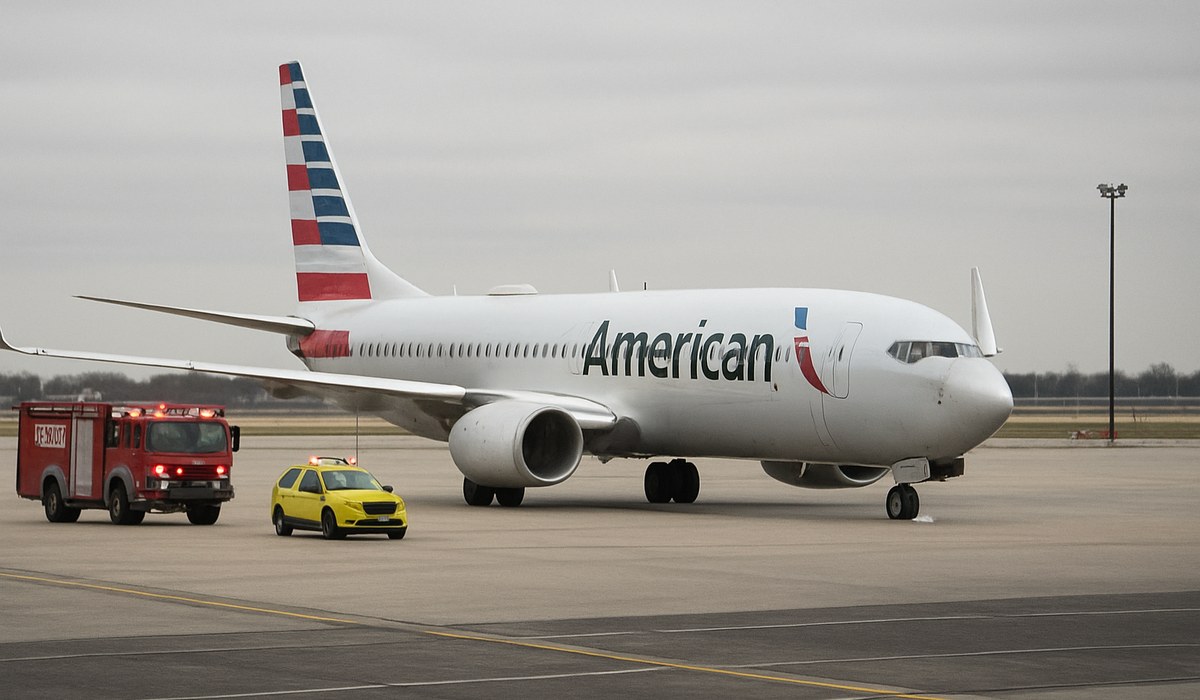
Image generated by AI
Quick Summary
- An American Airlines service traveling from New York area airports to Chicago was forced to land in Detroit after a passenger became unruly mid-flight on March 31, 2026
- Crew members implemented standard safety protocols, including requesting assistance from ground personnel upon arrival at Detroit Metropolitan Airport (DTW)
- Passengers traveling on diverted flights qualify for meal vouchers, hotel accommodations if overnight delays occur, and potential compensation under U.S. Department of Transportation rules
- Airlines use real-time flight tracking systems and crew training protocols to minimize disruptions and protect passenger safety throughout the flight
What Happened: Flight Diversion Details
An American Airlines jet en route from the New York metropolitan area to Chicago's O'Hare International Airport (ORD) changed course unexpectedly on March 31, 2026, landing instead at Detroit Metropolitan Airport (DTW). The carrier diverted the aircraft following an escalating situation involving one passenger whose behavior disrupted flight operations and posed concerns for crew safety and passenger comfort.
Flight crews alerted air traffic control of the need to redirect the service to Detroit, which sits approximately 280 miles northeast of Chicago. The decision to divert reflected standard safety protocols designed to address in-flight disturbances before they escalate further. Upon arrival at DTW, ground personnel assisted with the passenger situation, and the remaining travelers continued their journey after necessary processing and crew changes.
Exact flight details, including the specific departure airport (whether LaGuardia, Newark, or JFK), passenger count, and aircraft type, were not immediately disclosed by the airline. However, data from real-time flight tracking services indicates the diversion occurred during daytime operations. American Airlines, the nation's largest carrier by some measures, operates numerous daily services across this corridor, making disruptions on such routes noteworthy for both operational efficiency and customer relations.
The incident underscores how modern aviation relies on split-second decision-making by trained flight crews. Unlike delays caused by weather or mechanical issues, passenger-related diversions demand immediate human judgment and coordination between cabin staff, cockpit personnel, and ground operations.
FAA Safety Protocols During Disruptive Incidents
The Federal Aviation Administration maintains strict guidelines governing passenger behavior and crew response procedures. When flight crews encounter disruptive passengers, they must follow established protocols to protect all individuals aboard and maintain aircraft control.
FAA safety regulations empower captains with broad authority to manage situations that threaten safety or security. Crews receive extensive training on de-escalation techniques, recognizing warning signs of escalating behavior, and implementing containment measures when necessary. The authority of the captain extends to diverting the aircraft if ground-based solutions become inadequate.
Flight attendants serve as the first line of defense. They assess situations, attempt to calm passengers through conversation and reassurance, and communicate concerns to the flight deck. If behavior becomes violent, threatening, or sexually inappropriate, crews can isolate the passenger, enlist cooperation from other travelers if safe, and alert authorities before landing.
The Federal Air Surgeon's Office and the FAA's Civil Aerospace Medical Institute publish guidance on recognizing behavioral health emergencies versus intentional disruptions. This distinction affects both crew response and legal consequences for the passenger. A person suffering a medical event (like cardiac distress or severe anxiety) faces different accountability than someone deliberately acting aggressively.
Diversions triggered by safety concerns receive priority handling from air traffic controllers. Crews receive expedited landing slots, and emergency services stand by upon arrival. The extra fuel burn, crew duty-time issues, and cascading delays to other flights represent significant operational costs that incentivize airlines to invest in prevention strategies.
Your Rights: Compensation & Rebooking for Diverted Flights
Passengers aboard diverted flights possess specific legal protections under US Department of Transportation passenger rights regulations. These protections apply regardless of whether the diversion stems from weather, mechanical failure, or passenger disruption.
Immediate Assistance: Airlines must offer reasonable meals, refreshments, and hotel accommodations if an overnight stay becomes necessary. Meal vouchers typically range from $10 to $20 per hour of delay, depending on airline policy and delay duration. If you miss a connection, the airline remains responsible for rebooking you on the next available flight at no additional charge.
Reimbursement and Compensation: Diversions caused by factors within the airline's control—including passenger incidents that could have been prevented through better screening or crew preparation—may qualify for compensation. Unlike weather events (which carriers can invoke as excuses), passenger disruptions sometimes trigger liability. Passengers can file complaints with the Department of Transportation and pursue claims through small claims court or binding arbitration.
Communication Requirements: Airlines must proactively inform passengers of their rights and available options. Verbal announcements in the terminal plus written notices (printed or digital) should outline compensation eligibility, contact information for filing claims, and rebooking alternatives. If the airline fails to communicate these details, passengers can escalate complaints to the DOT.
Documentation: Save boarding passes, receipts for meals and accommodations, correspondence with the airline, and photos of delay notifications. These documents strengthen any future compensation claims. Record the flight number, scheduled departure and actual arrival times, and names of crew members who assisted you.
For the specific American Airlines flight diverted to Detroit on March 31, affected passengers should contact the carrier's customer relations department within 45 days to initiate claims. The airline maintains a dedicated process for handling disruption-related complaints.
How Airlines Prevent Passenger Disruptions
Modern carriers employ multiple layers of prevention to reduce in-flight incidents. Training, technology, and policy work in concert to identify potential problems before aircraft push back from the gate.
Pre-flight Screening: Ground agents monitor boarding queues for intoxication, aggressive language, or unusual behavior. Airlines can refuse boarding to passengers displaying obvious signs of impairment or volatility. Refusal-to-board decisions must be documented and communicated to the passenger in writing.
Crew Training Protocols: Flight attendants and pilots undergo recurrent training on conflict de-escalation, mental health awareness, and physical intervention techniques. Many carriers now partner with behavioral health experts to develop scenario-based training modules. The goal is recognizing behavioral changes early and addressing them before a situation deteriorates.
Aircraft Seating Strategies: Airlines may seat potentially problematic passengers near crew areas or in specific cabin zones where they can be monitored more closely. This practice, while not foolproof, reduces the risk of disturbances in densely packed cabin sections.
Technology and Tracking: Real-time flight tracking via FlightAware and similar platforms allow ground operations teams to monitor flight progress. If crews report brewing issues via radio, dispatchers can alert authorities at the destination airport and prepare emergency response teams before landing.
Cabin Crew Staffing: Airlines assign additional flight attendants on routes with historical disruption rates or long flight times (which increase passenger stress and fatigue). Extra crew provides more eyes, faster response times, and better ability to isolate or manage disruptive individuals.
Post-Incident Follow-up: After diversions, airlines document incidents thoroughly and share findings with training departments. Recurring patterns trigger policy adjustments or enhanced crew briefings. Some carriers now prohibit future travel by passengers convicted of in-flight assault.
The broader aviation industry recognizes that disruptions carry hidden costs beyond operational delays. Crew stress, passenger anxiety
Disclaimer
This article is for informational and educational purposes only. It does not constitute legal, financial, or professional advice. While we strive to provide accurate and up-to-date information, travel policies, regulations, and conditions change rapidly. Always verify information with official sources before making travel decisions. Nomad Lawyer makes no representations about the accuracy, reliability, completeness, or suitability of the information provided. Readers should consult qualified professionals for advice specific to their circumstances. The views expressed in this article are those of the author and do not necessarily reflect the views of Nomad Lawyer.
Preeti Gunjan
Contributor & Community Manager
A passionate traveller and community builder. Preeti helps grow the Nomad Lawyer community, fostering engagement and bringing the reader experience to life.
Learn more about our team →